

Healthcare Simulation Targets Inefficiency

Find out how simulation modeling helps healthcare organizations identify inefficiencies, optimize processes and deliver high-quality care at lower cost.
Hospitals find it increasingly difficult to keep balance sheets in the black while maintaining quality patient care. Eliminating inefficiency has become a priority for the industry, because it reduces costs and improves patient satisfaction.
Organizations have focused on three key areas in order to eliminate waste:
- Administrative Inefficiencies
- Clinical Inefficiencies
- Care Coordination
Hospital simulation modeling demonstrates the relationship between these three areas in a real-time simulated environment.
Watch an actual healthcare simulation in the video above. View more of Haskell's videos on our YouTube channel. »
Operational Simulation Isolates Inefficiency
Computer modeling puts actual detailed information into motion. Simulation enables healthcare facilities to model current processes and environments. Providers gain advantages from testing current state operations and multiple "what if" scenarios on the model.
- Can current processes and/or space utilization be improved?
- How well can our facility handle the stresses of a short-term or extended patient increase?
- How will new treatment options or equipment affect care delivery and profitability?
- What will be the resource requirements to prepare my facility for a predicted increase in demand within the next five years?
- Will a new or renovated facility really produce the efficiencies we desire?
Healthcare Simulation Reduces Risk
Altering variables within a model allows organizations to explore options without putting patient satisfaction or financial resources at risk. When the model exposes problems, proposed solutions can be tested in the virtual environment. Management can observe outcomes of suggested improvements. Simulation empowers decision makers before committing time and resources by increasing certainty. Decisions can now be based on factual data, not just estimates, forecasts or rule-of-thumb projections.
“Why test things after they are built, and staffed, as the industry has done for years? Now you can experiment in a virtual environment, obtain measurable results on each idea, and proceed with confidence in all planning decisions,” said Ted Moore AIA, ACHA, Operations Manager at Haskell.
Clients who desire an analysis of their current processes can look to Haskell for assistance. We invite you to view our demonstration simulation. Contact Ted Moore directly at 904.791.4555 or ted.moore@haskell.com for more information or to schedule a demonstration.
Related News & Insights
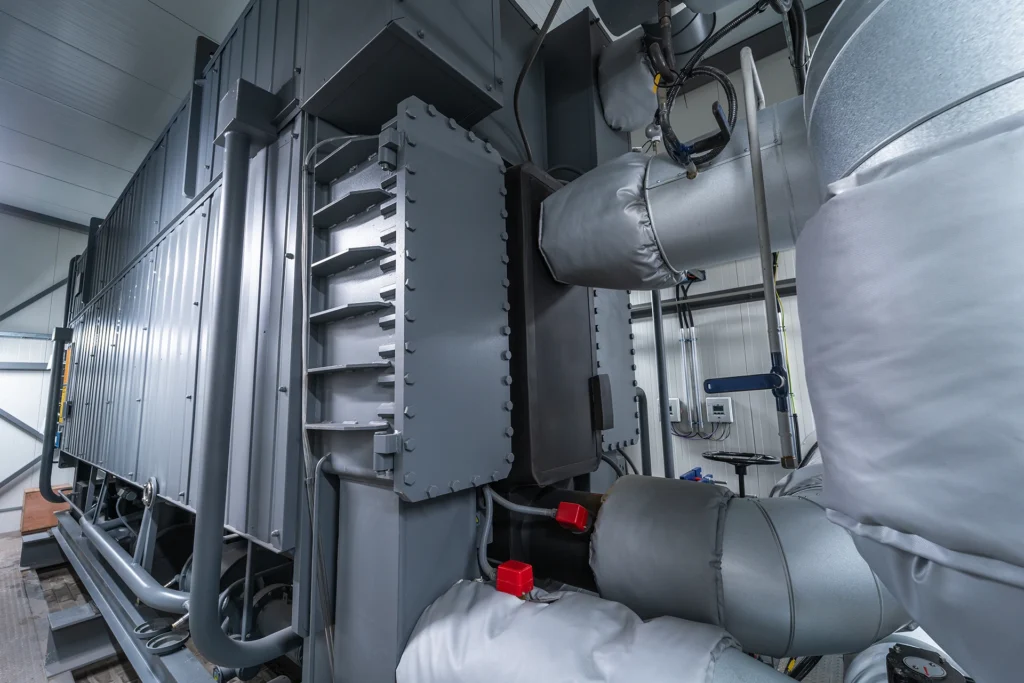
What Manufacturers Should Know About High-Temperature Heat Pumps
Discover how industrial manufacturers evaluate high-temperature heat pumps as part of an integrated thermal strategy. Learn what early design decisions shape performance and economics.

How Pure Cane Sugar Can Reshape American Beverage Operations
Explore the supply chain, infrastructure and production considerations beverage manufacturers face when introducing pure cane sugar.
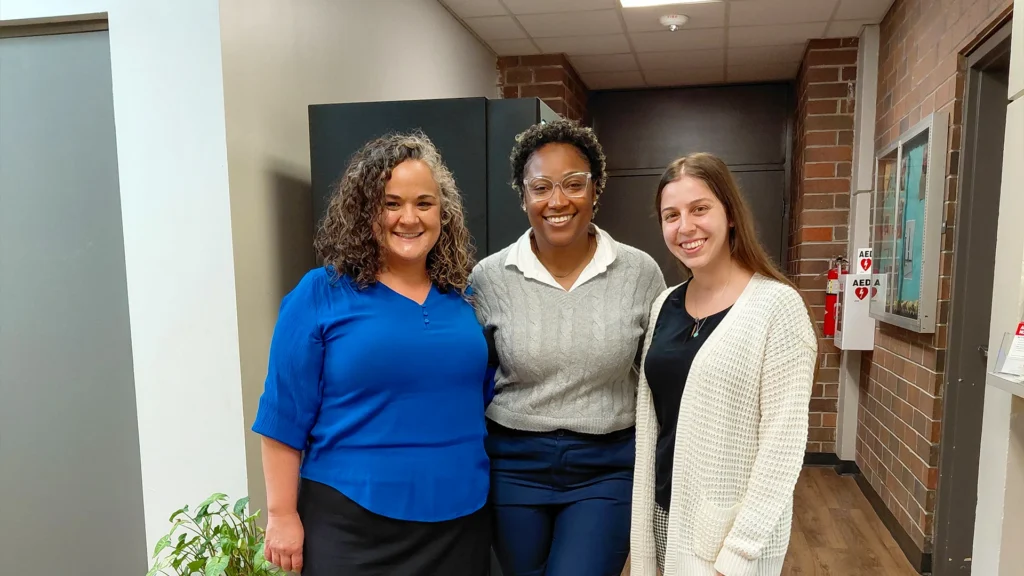
Healthcare Designer Helps Launch Jacksonville’s The SPOT
Explore Kristen Argalass's work making The SPOT an accessible place for connection and mental health support through a community-based model.
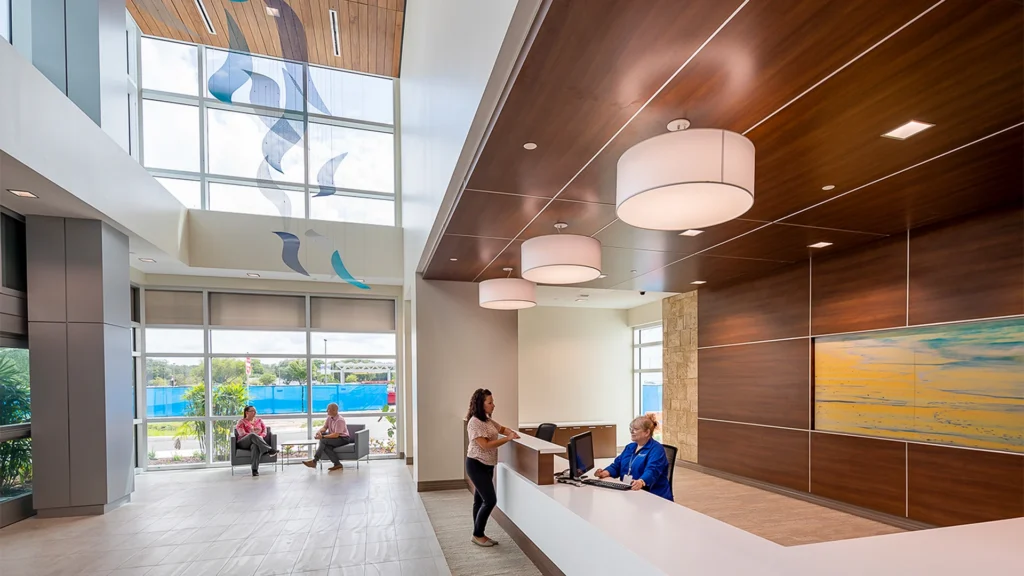
Healthcare Security Works Best When Planned from the Start
From egress planning to AI surveillance, learn how proactive healthcare security design improves safety without compromising patient experience.