
The Importance of Persona Building

Discover why building patient personas is critical to designing person‑centered care processes and facilities that truly meet diverse patient needs.
Attending a conference focused on “patient-centered care” means that every session you go to is based on the patient first. Occasionally a session might touch on the staff or provider’s perspective, as they participate in patient care and should be acknowledged. At the recent 2019 Planetree International Conference on Person-Centered Care, I attended a number of sessions that supported the importance of understanding your patient before changing or creating a new process, space, or effort.
Understanding your patient population in a deeper manner than at the market level is an important step in designing space that serves the patient. It’s important to understand the variety of challenges a patient might encounter on their progression through a visit to your facility. Developing personas is a method to assist in developing designs (operational or physical) that can test patient challenges against decisions.
Building personas can be a detailed endeavor, including market evaluation, a facility’s historical volumes, demographic analysis, patient interviews/surveys, and even observations of existing processes and patient experiences. Compiling this information and converting it into personas means creating patient profiles with:
- Specific biographic and demographic information
- Environmental concerns, such as transportation methods or reasons for visiting the facility
- Patient challenges
- Emotional
- Physical
- Communication
- Sensory
With a specific persona developed, the team can now walk that persona through their visit to the facility to determine whether decisions about design and/or operations effectively address patient needs and challenges, also known as journey mapping.
Taking a variety of personas through their journeys can help those not working on the frontlines to understand the challenges their patients endure while on site. This tool can aid in decision-making around policies and procedures that may have historically been in place but are no longer properly working for the patient engagement.
Often design and operations decisions are made by administrative teams that are not working the frontlines and having to make decisions about patient care. Therefore, taking the time to interview frontline staff during the process of persona building can help give them a voice during later discussions that they may not be included on.
Related News & Insights
The Fizz Factor: Learn Why CO2 Is Critical in Beverage Processing
Discover the science behind carbonated beverages and how Haskell SME Dwight Garrels helps clients optimize critical components of manufacturing.
60 Years of Bold Architectural Integration and Innovation
Explore how Haskell’s architects deliver integrated solutions across industries. Learn how purposeful design can elevate your next built environment.
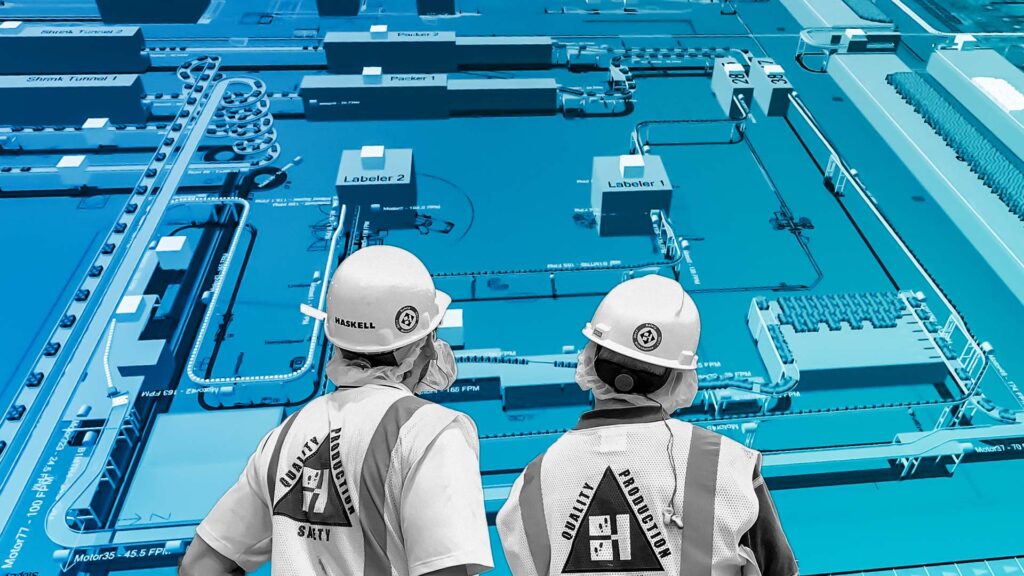
Manufacturing Consultants Solve Process and Operational Challenges
Discover how manufacturing consultants solve real-world production challenges with smart, cost-effective strategies that drive measurable results.
Flip Rooms Maximize Physician Time and Enhance Hospital Revenue
Learn how a well-executed flip room strategy helps hospitals optimize surgery schedules, support physicians and improve patient experience.