
Production Line Emulation Speeds the Path to Market

Discover how production line emulation accelerates new product launches by simulating installation and testing, reducing time to market and boosting profitability.
While product-line simulation helps to address potential issues during the design phase, product-line emulation extends the benefits of modeling to the installation and testing phases of a manufacturing system. The result is a shortened critical path, greater throughput, and increased profitability for the customer.
Here's how it works: When a project reaches the installation phase, control engineers conduct a data exchange between the Programmable Logic Controller (PLC) and the simulation model that was developed during the design phase. This process, known as emulation, converts the simulation model into a virtual manufacturing process. It allows the PLC device to operate, control and test the manufacturing system model under realistic conditions represented by the simulation — even more so with the addition of physics engines available in some of the latest modeling software.
The PLC's ability to control the simulated environment allows testing and debugging of PLC code to be conducted prior to production line implementation. This kind of early access to the production line means more phases of a project can be conducted simultaneously as opposed to taking up time on the project’s critical path. In fact, research has shown that emulations can reduce production line start-up time by as much as 50 percent. This can translate into early production line launches and increased productivity for many customers.
Emulations provide additional benefits, as well. Operator training can take place in the simulated environment, rather than waiting until line implementation is complete. Potential equipment updates or replacements can be assessed prior to purchase, minimizing the risks associated with these kinds of capital investment.
Related News & Insights
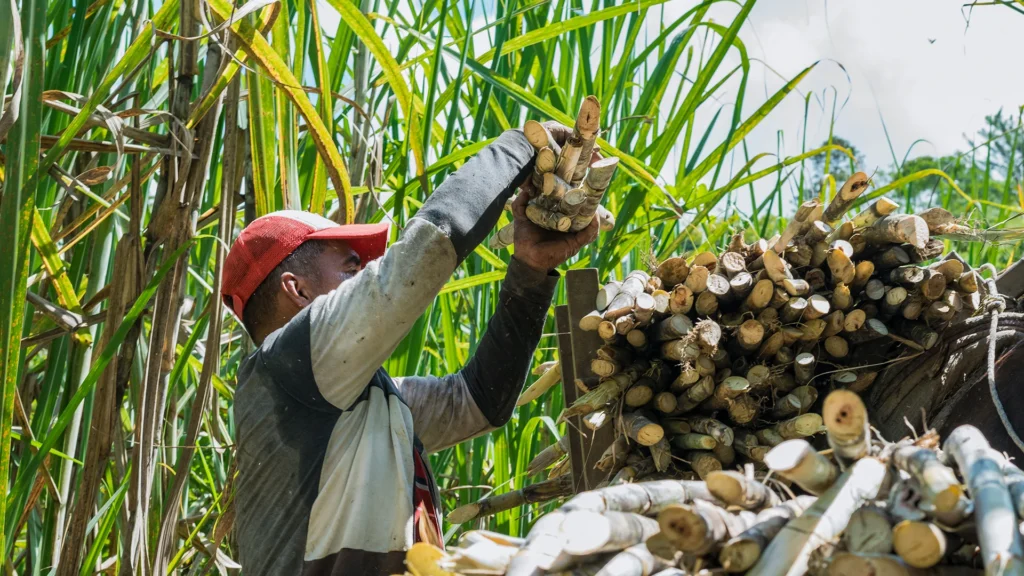
How Pure Cane Sugar Can Reshape American Beverage Operations
Explore the supply chain, infrastructure and production considerations beverage manufacturers face when introducing pure cane sugar.
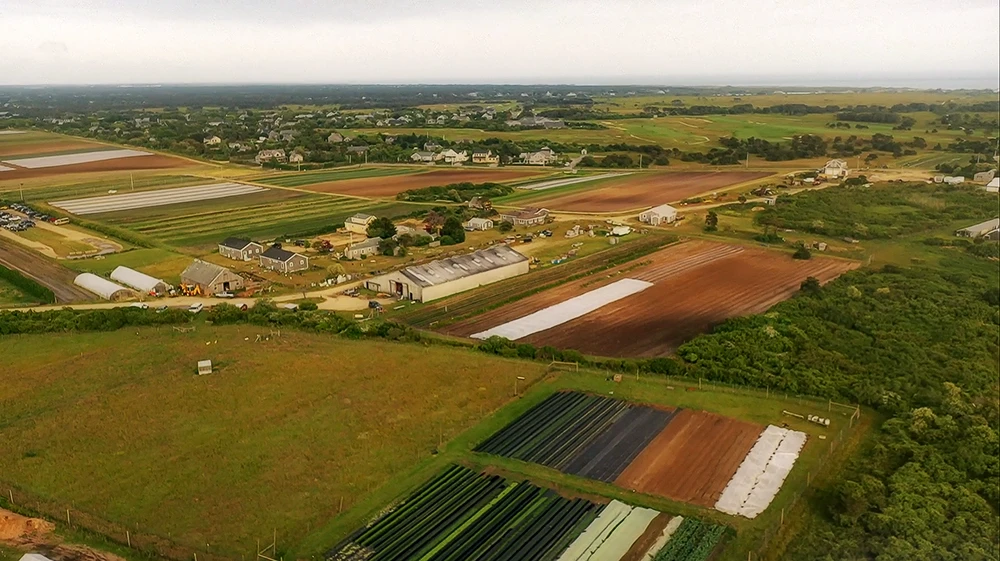
An Adventure in Nantucket, Restoring Distillery Automation
Learn how Haskell Subject Matter Expert Alan Green brought custom solutions to Triple Eight Distillery to upgrade an overmodified system.
How AI and Digital Twins Are Shaping Industrial Analytics
Discover how stronger data foundations and planning tools are improving operations. Explore insights on capacity planning, supply chains and modeling.

Natural Colors and Flavors: The New Standard in Pet Food
Learn how the industry is moving quickly to replace artificial ingredients and what manufacturers must do to maintain quality, compliance and throughput.