

AMFP Charlotte Quickly Grows to Be Nation’s Third-Largest Chapter

Led by Jennifer O'Donnell, Haskell's Director of Business Development for Healthcare Design, the AMFP filled a networking need in the Charlotte market.
In the year and a half since Jennifer O’Donnell spearheaded its formation and became its first president, the Charlotte, North Carolina, chapter of the Association of Medical Facility Professionals (AMFP) has grown to become the organization’s third largest, trailing only New York City and Philadelphia.
“We’ve experienced tremendous growth,” said O’Donnell, Director of Business Development for Haskell’s Healthcare Design Division. “I think a big part of it is that there was such a hole in this market.”
She moved from the New York City area to Charlotte shortly before the COVID-19 lockdown. Staying in touch with her NYC contacts, she saw that their AMFP chapter created myriad virtual events to keep members connected.
She found those opportunities weren’t available in North Carolina’s largest city. While the North Carolina Health Engineers Association is a large and vibrant organization, it only meets twice a year with its full membership, and there was no other healthcare networking organization to fill the void in between.
“The Charlotte market has become a critical destination for AEC firms to plant a flag,” O’Donnell said. “I’d seen how successful the AMFP has been in other markets, and I felt like Charlotte needed a way for all of us to be a community and help each other and talk about trends and challenges.”
O’Donnell said the organization has offered varied programming since inception, including breakfast meetings, happy hour socials, educational presentations, a daylong seminar and a speed-networking event where six leaders from area hospital systems circulated for 10-minute sessions with groups of AMFP members.
She is joined on the AMFP Charlotte Board of Directors by Vice Presidents Matt Stiene, Novant Health; Bennett Thompson, Atrium Health; C. Thorn Baccich, Jr., Flagship Healthcare Properties; Treasurer Davis H. Liles, AIA, BR+A; and Secretary Chuck Cardwell, Walter P. Moore. Committee Chairs include Collin Brock, V3; Chloe Campbell, Alfred Williams; Amy Davis, Atrium Health; Amy Jones, Barton Malow; and John Sion, Stantec. Launched in April 2022, the group has 168 members.
The not-for-profit organization is open to hospital administrators, facility managers, real estate directors, medical property owners, planners, designers, contractors, consultants, vendors, and academics specializing in various healthcare environments. Its mission is to enhance the knowledge and professional development of its members.
O’Donnell joined Haskell in March 2021 and is a LEED Accredited Professional. Having begun her business career in the automotive industry, she has spent the past 15 years servicing design and facilities clients.
Contact Haskell’s Healthcare Consulting and Design teams to envision and execute the transformation of your health system’s campus.
 Promoting and expanding diversity and inclusion is a strategic pillar of Haskell’s long-term vision and is foundational to creating a team member experience of significance, success and satisfaction. Haskell Together is our intentional and consistent initiative to promote open dialogue and bring about positive change.
Related News & Insights
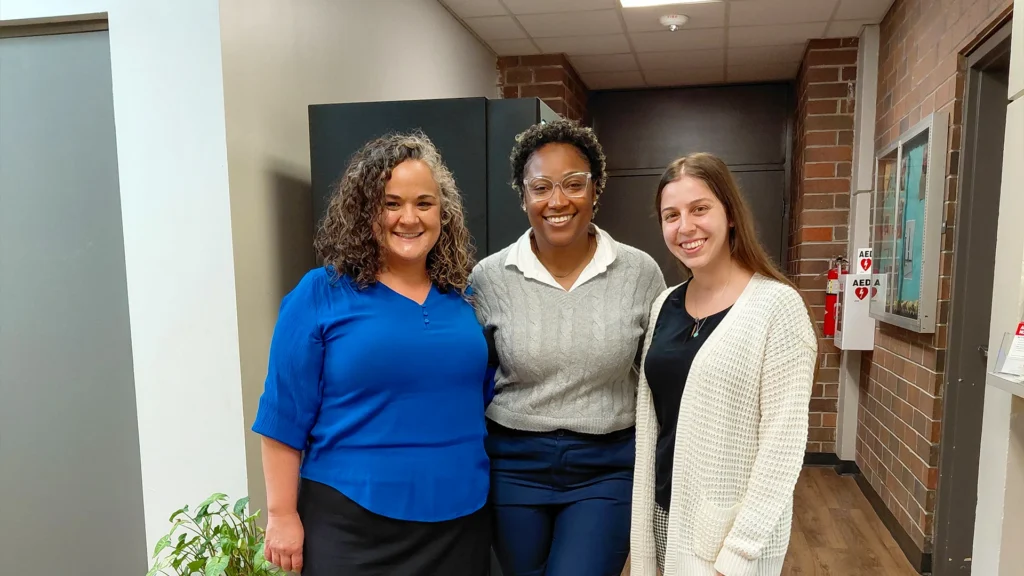
Healthcare Designer Helps Launch Jacksonville’s The SPOT
Explore Kristen Argalass's work making The SPOT an accessible place for connection and mental health support through a community-based model.
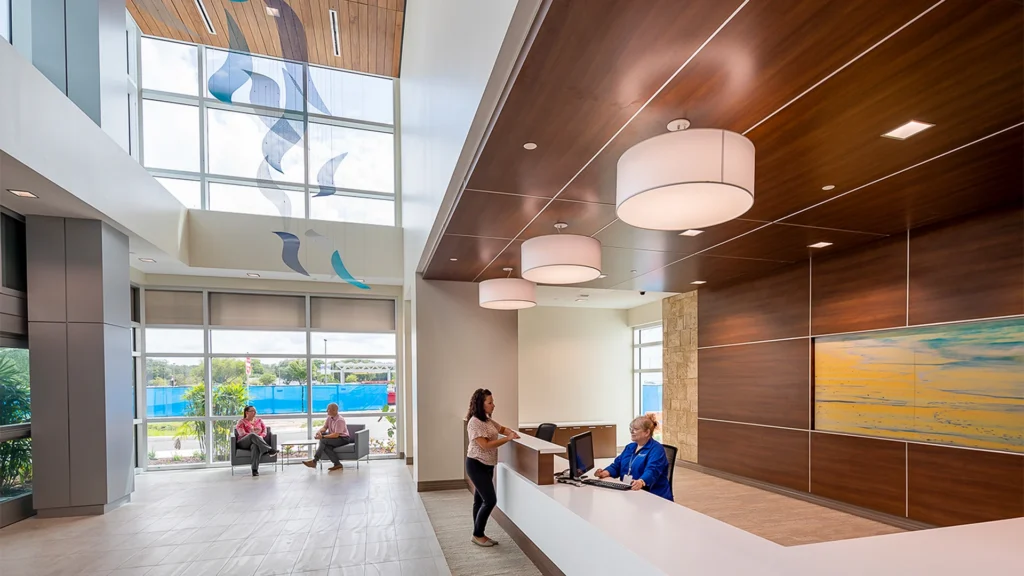
Healthcare Security Works Best When Planned from the Start
From egress planning to AI surveillance, learn how proactive healthcare security design improves safety without compromising patient experience.

Micro-Hospitals Offer a Scalable Path for Rural Access
Learn how micro-hospitals differ from traditional facilities and why community education can shape adoption. See Northeast Georgia Health System’s approach; Lumpkin County micro-hospital.

The Human Experience is Vital in Shaping Good Healthcare Design
Each facility is unique, but some factors related to patient, staff and family wellbeing consistently offer opportunities to optimize the healing environment.