
Haskell provided FEL-2 design and preconstruction services for a commercial-scale precision fermentation facility.
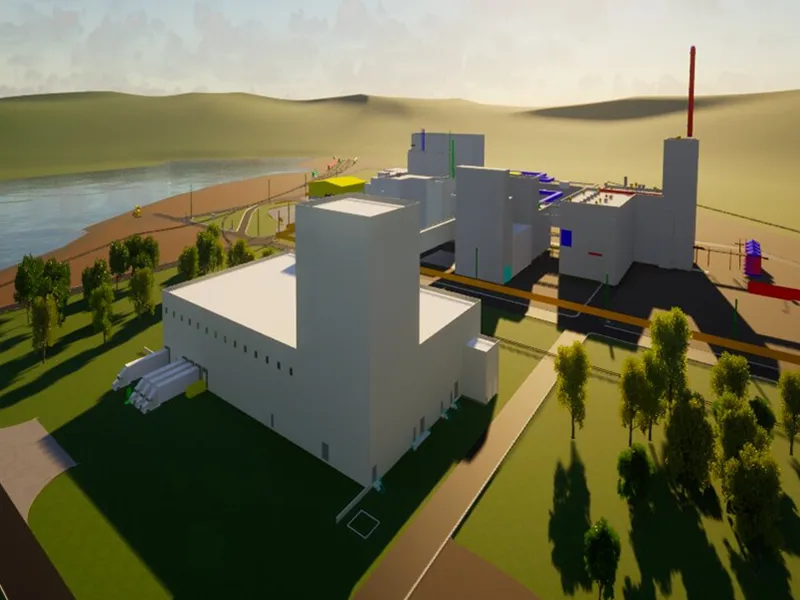
Haskell designed a manufacturing facility to produce alternative egg white proteins via a fermentation process for use by food manufacturers in commercial food applications. The project builds on existing site capabilities while enabling expansion into commercial-scale alternative protein production.
A retrofit and greenfield expansion enable downstream processing capabilities.
The project included the retrofit of fermentation assets at an existing bio-processing facility, along with the design of a new greenfield downstream processing plant. Additional supporting infrastructure and utility expansions were incorporated to support the overall facility and production needs.
A purpose-built downstream process plant supports full production flow.
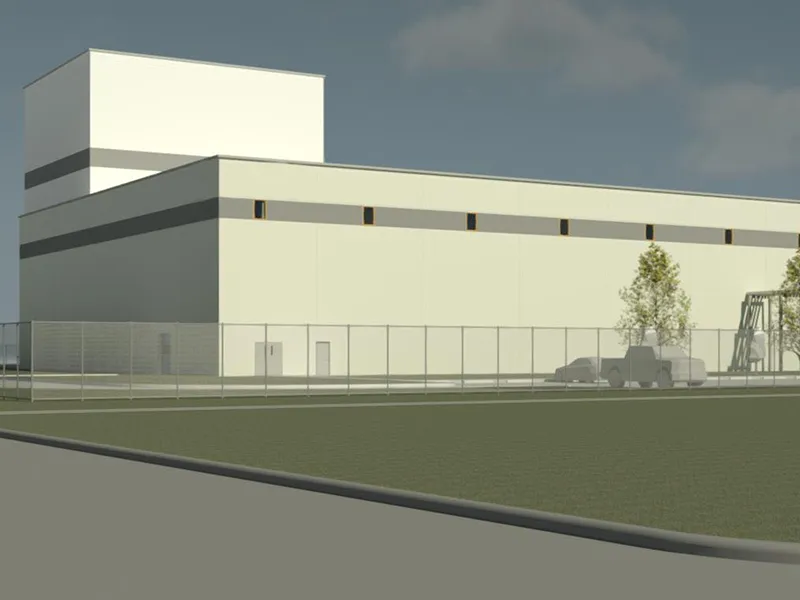
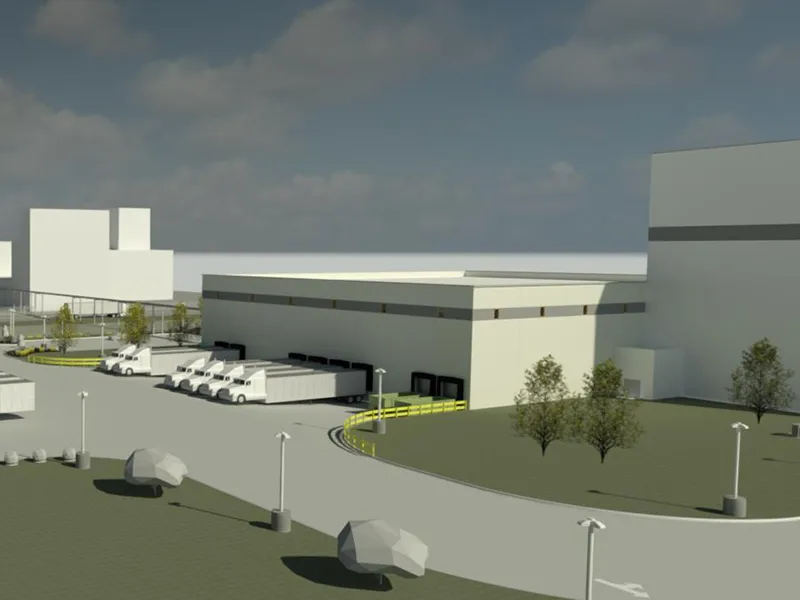
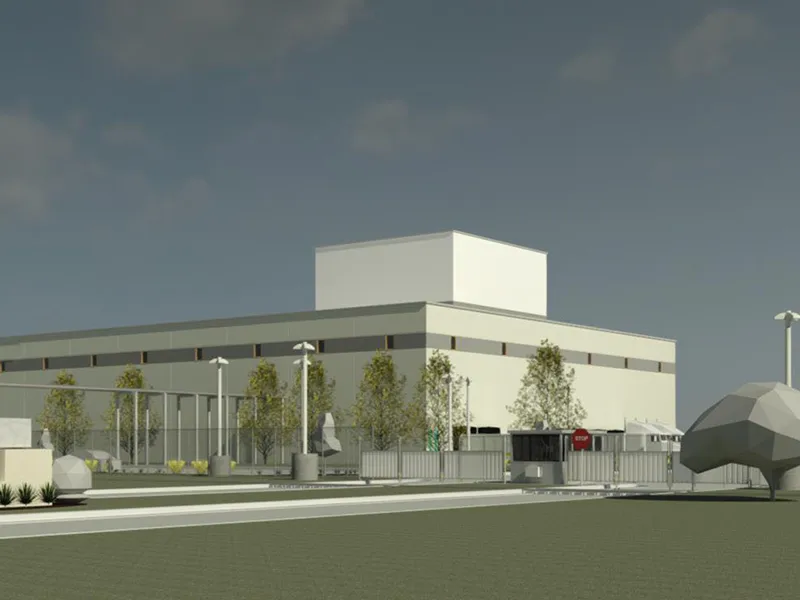
The new downstream process plant (DSP) includes processing areas, spray drying, mechanical and process utilities spaces, offices, a laboratory, a packaging hall and warehousing. These elements are integrated to support efficient movement from fermentation through downstream processing and final packaging.
A multidisciplinary approach drives project execution.
This engagement includes a coordinated effort across facilities design, process and packaging engineering and wastewater design. Collaboration with subcontractors and OEMs supports the development of a project cost estimate and execution schedule aligned with project requirements.
Related Topics
Talk to a Subject Matter Expert
Project Highlights
Services:
Facility Design
Process Engineering
Packaging Engineering
Wastewater Engineering
Utilities Engineering
Fire Protection Engineering
Estimation
Installation Packaging
Construction
Related Projects
Jeffersonville, Indiana
Protein Bar & Powder Manufacturing Plant
St. Louis, Missouri
EverGrain Ingredients Barley Protein Facility
Hopkinsville, Kentucky
Confidential Tobacco Client Manufacturing Facility
Related News & Insights
Natural Colors and Flavors: The New Standard in Pet Food
Learn how the industry is moving quickly to replace artificial ingredients and what manufacturers must do to maintain quality, compliance and throughput.
How to Control Glass Hazards in Food Manufacturing
Learn how to reduce glass contamination risks through prevention, inspection and maintenance best practices. Protect food safety and product quality.
AI-Enabled Material Handling Automation in Pet Food Facilities
Learn how engineered material flow and AI-enabled automation can cut manual touches, speed dock-to-truck loading and support scalable growth.
The Real Cost of Moving from Artificial to Natural Flavors and Colors
Regulatory scrutiny and consumer expectations make economic planning essential, not optional. Learn how to build a long-term reformulation roadmap.