

The Fizz Factor: Learn Why CO2 Is Critical in Beverage Processing

Discover the science behind carbonated beverages and how Haskell SME Dwight Garrels helps clients optimize critical components of manufacturing.
Be it water, beer, seltzers, champagne, soda (or “pop” depending on which part of Midwest you live in) or any other carbonated beverage, they all share a unique “ingredient” that readily identifies them with that crisp flavor and fizzy appearance, pleasing both to the eye and the palate. Carbon Dioxide (CO2), a simple combination of one carbon and two oxygen atoms, significantly affects how the beverage looks and tastes.
Commercial CO2 is a byproduct of several major industrial processes and is considered a “waste stream.” To meet the International Society of Beverage Technologists (ISBT) purity guidelines for use in beverages, the CO2 must be cleaned and purified of compounds that impact taste and aroma. The purified CO2 is stored and transported in a liquid state and then vaporized to a gas for use in carbonation, the process in which CO2 is injected into the beverage.
As stated, CO2 used for carbonation must be of high quality and properly stored, handled and used following good manufacturing procedures. CO2 with inadequate quality can introduce a number of off-flavors, odors and potential health hazards into beverages.
Although the CO₂ is considered ISBT grade in the bulk storage tank prior to transfer to your facility for use, care must still be taken to avoid contamination. Impurities can come from unclean storage tanks, delivery tankers, transfer hoses, exposure to air or dirty piping leading to the carbonator. Proper CO2 management includes cleaning procedures for tanks and vessels, and frequent testing is necessary to ensure the purest CO2 ends up in the final product.
The brewing industry is unique in that the CO2 generated during beer fermentation can actually be captured on-site, purified and reused for carbonation. Breweries also use CO2 to purge air out of tanks and pipes prior to filling with beer to avoid air-beer contact, which causes that stale beer taste. If a brewery can capture, purify and re-use its own CO2, it guarantees good quality and significantly reduces the need to purchase the gas for these processes. Good CO2 management practices are critical in breweries as well.
At Haskell, we have the expertise and experience to consult on any questions or concerns you may have about CO2 quality, recovery and management in your beverage manufacturing facilities. From recommending operational and quality equipment in beverage facilities to integrating CO₂ recovery systems in breweries, we provide end-to-end support tailored to your needs.
 About the author: Dwight Garrels, Haskell Director of Process and Mechanical, has spent his 40-plus-year career technically focused in several key industries, primarily Brewing and other food and beverage applications. He has extensive technical experience in process engineering in the brewing industry and has specialized for several years in CO2 management at domestic and international breweries. He has a Bachelor of Science and a Master of Science in Environmental Engineering/Science from the University of Illinois and a Master of Science in Engineering, Chemical and Mechanical, from Southern Illinois University.
Related News & Insights
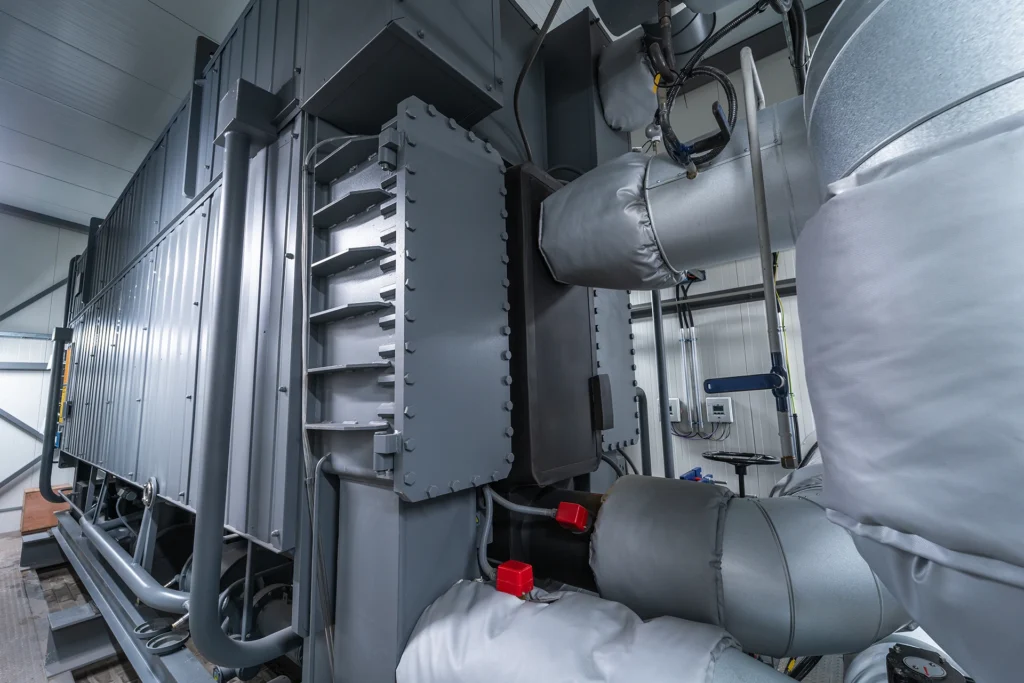
What Manufacturers Should Know About High-Temperature Heat Pumps
Discover how industrial manufacturers evaluate high-temperature heat pumps as part of an integrated thermal strategy. Learn what early design decisions shape performance and economics.

How Pure Cane Sugar Can Reshape American Beverage Operations
Explore the supply chain, infrastructure and production considerations beverage manufacturers face when introducing pure cane sugar.
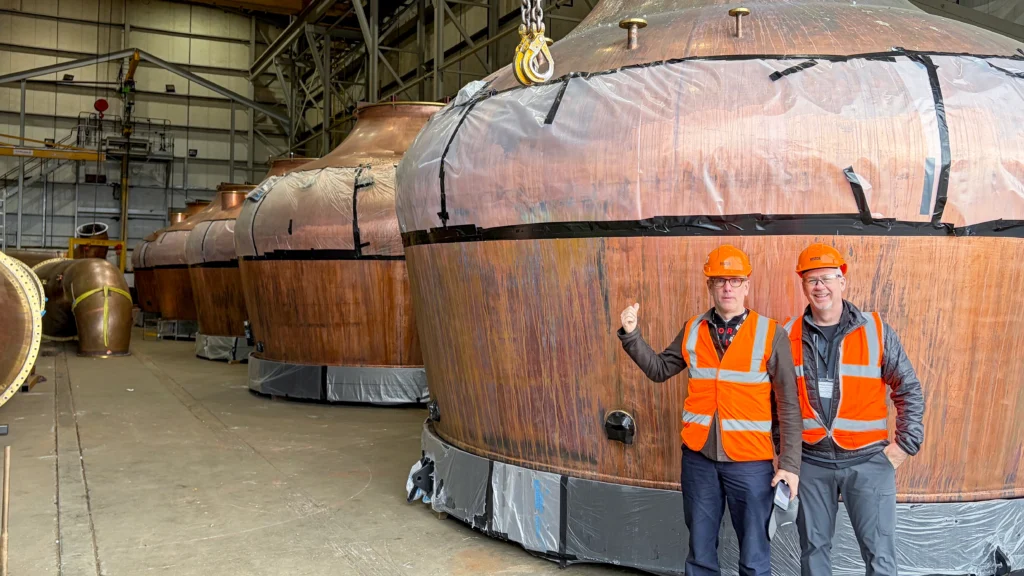
Beer, Wine & Spirits Expert Explores European Tech and Innovation
Travel along as Haskell's Phil Morgan explores how producers are improving efficiency without compromising the products consumers know and love.

An Adventure in Nantucket, Restoring Distillery Automation
Learn how Haskell Subject Matter Expert Alan Green brought custom solutions to Triple Eight Distillery to upgrade an overmodified system.