

How to Control Glass Hazards in Food Manufacturing

Learn how to reduce glass contamination risks through prevention, inspection and maintenance best practices. Protect food safety and product quality.
More than 30 years ago, in my first role as a plant manager, I participated in a wall-to-wall inspection focused entirely on glass prevention shortly after construction was complete. That experience shaped how I approach food safety today. The most effective way to manage risk is to eliminate it at the source.
At the time, X-ray detection technology was limited and cost-prohibitive. Prevention, training, supplier oversight and strong quality systems carried the burden of protection. While detection tools are now more accessible, the core principle has not changed. Prevention is the most reliable control.
Glass contamination remains one of the most serious foreign material hazards in food manufacturing. Even small fragments can cause injury, trigger regulatory action and result in costly recalls. These incidents also disrupt operations and erode brand trust. Leading manufacturers address this risk through structured, preventive systems aligned with HACCP principles and modern food safety standards.
Implement a Prevention Program
An effective glass prevention program begins with a comprehensive risk assessment. This means identifying all sources of glass within the facility, including lighting, windows, equipment sight glasses, instruments and laboratory ware. Each item should be documented by location, condition and proximity to the exposed product. Maintaining a formal glass register with risk rankings and controls enables teams to prioritize removing or substituting glass with non-breakable materials.
From there, a formal glass management program establishes consistency and accountability. The program should clearly define identification and tracking procedures, prevention and control measures, inspection requirements, corrective actions, verification processes and recordkeeping. Roles and responsibilities must be clearly assigned. Integrating this program into the site’s broader HACCP or food safety system ensures alignment with overall risk management efforts.
Reduce Exposure in Production Zones
Eliminating glass from production areas remains the most effective control. This includes removing unnecessary glass, replacing components with non-breakable materials and specifying non-glass packaging for incoming materials when feasible. Where glass cannot be eliminated, facilities should use safety-coated or shatter-resistant alternatives.
When removal is not possible, physical protection becomes critical. Shatter-resistant covers on light fixtures, shielding for windows and sight glasses near product zones and barriers during maintenance activities all help prevent fragments from reaching exposed product. These engineering controls provide a necessary layer of protection.
Strengthen Inspection and Response
Routine inspection and auditing support early detection and continuous improvement. High-risk production areas should be checked daily, while lower-risk zones can be inspected monthly. Any cracks, chips or signs of wear must be documented immediately. Over time, trend analysis can help identify recurring issues and inform corrective action. Consistent documentation strengthens both compliance and operational performance.
Even with strong preventive measures, breakage can occur. Clear procedures are essential to minimize impact. A defined response should include immediate isolation of affected product and areas, controlled shutdown of nearby equipment, thorough cleaning and fragment removal and evaluation of product disposition. Each incident should be documented, followed by root cause analysis and corrective action. Training ensures employees respond quickly and consistently in these situations.
Engage the Workforce and Supply Chain
Employees play a central role in preventing contamination. Training programs should focus on glass hazard awareness, proper handling procedures and clear expectations for breakage response. Workers should understand how contamination occurs and how their actions can reduce risk.
Facilities should also enforce strong hygiene and control measures, including appropriate personal protective equipment, restrictions on jewelry and limitations on personal glass items in production areas. A well-trained workforce reduces both the likelihood of incidents and response time when they occur.
Glass risks extend beyond internal operations. Raw materials and packaging can introduce hazards into the facility. Incoming materials should be inspected for damage, and supplier qualification programs should establish clear packaging standards and acceptance criteria. Materials that present contamination risks must be rejected. Incorporating supplier performance into risk evaluations extends the effectiveness of internal controls.
Maintain Equipment and Leverage Detection
Equipment that includes glass components requires structured preventive maintenance. Routine inspections should be scheduled, and repairs should be completed outside of production hours when possible. Replacement procedures must be controlled, and equipment integrity should be verified before restarting operations. Proactive maintenance reduces the likelihood of unexpected failures.
Detection technology adds another layer of protection. X-ray inspection systems capable of identifying glass fragments, enhanced visual inspection processes and routine validation and calibration all strengthen the control strategy. Traceability systems also support rapid product isolation when needed. While detection is valuable, it should support, not replace, prevention.
Glass hazards can originate from many areas within a facility. Common sources include lighting fixtures, windows and glass panels, equipment sight glasses, laboratory instruments, packaging materials and maintenance tools. Breakroom and office items, as well as raw material contamination, can also introduce risk. Identifying and managing these points is essential to a comprehensive program.
A Foundation for Food Safety
Even small fragments of glass can lead to serious injury, recalls and reputational damage. A structured, risk-based approach significantly reduces this exposure by combining risk assessment, elimination and substitution, engineering controls, routine inspection, workforce training, supplier oversight, preventive maintenance and detection systems.
When these elements are integrated into a formal framework aligned with HACCP principles, they provide a reliable defense against contamination risks. For manufacturers focused on operational excellence and food safety, proactive glass control is not optional. It is foundational.
 About the author: Jon Heussner is a member of Haskell’s team of Strategic Industry Advisors specializing in food manufacturing. He is HACCP- and Safe Quality Food-certified and has more than 40 years of food engineering and operational experience with manufacturers such as Tyson, Conagra, Hain Celestial, Dean Foods and Scoular.
Haskell’s subject matter experts consistently maintain a holistic and innovative approach to problem-solving, which means they regularly participate in solutions-focused discussions across disciplines and industries. Contact our team to leverage that thought leadership on your next project.
Related News & Insights

Natural Colors and Flavors: The New Standard in Pet Food
Learn how the industry is moving quickly to replace artificial ingredients and what manufacturers must do to maintain quality, compliance and throughput.

AI-Enabled Material Handling Automation in Pet Food Facilities
Learn how engineered material flow and AI-enabled automation can cut manual touches, speed dock-to-truck loading and support scalable growth.
The Real Cost of Moving from Artificial to Natural Flavors and Colors
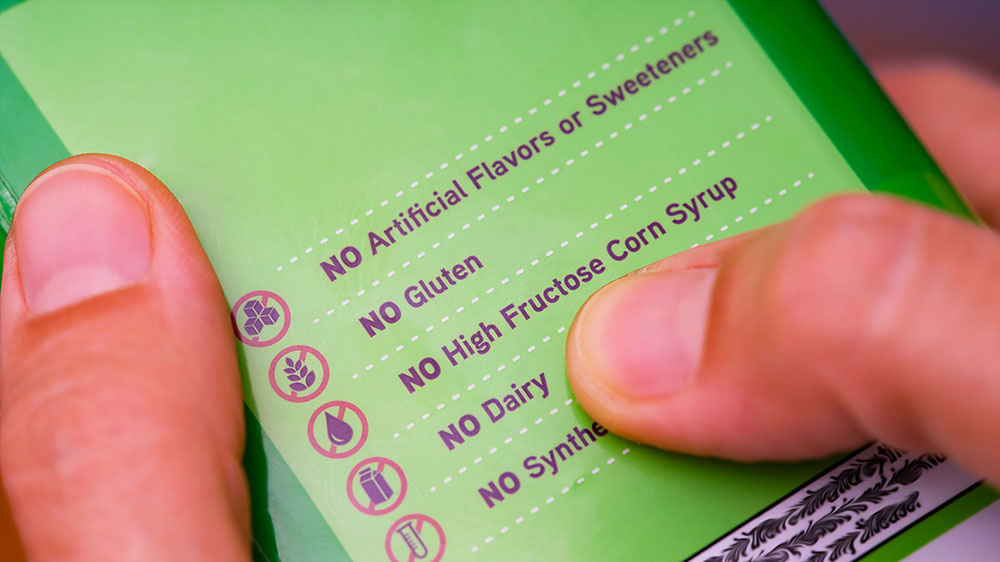
Regulatory scrutiny and consumer expectations make economic planning essential, not optional. Learn how to build a long-term reformulation roadmap.

Fabrication, Sales and Service Underpin for Eric Jensen’s Leadership
Learn how the Haskell Superintendent's technical depth and people skills make him 'the glue that keeps it all together' on complex projects.