

The Real Cost of Moving from Artificial to Natural Flavors and Colors

Regulatory scrutiny and consumer expectations make economic planning essential, not optional. Learn how to build a long-term reformulation roadmap.
As U.S. food and beverage manufacturers accelerate the transition from artificial colors and flavors to natural alternatives, cost has emerged as one of the most significant — and often misunderstood — implications of reformulation.
While consumer demand and regulatory pressure are clear drivers, the financial impact of this shift varies widely across product categories, ingredient selection and formulation complexity.
Ingredient Cost Increases
Natural colors and flavors are structurally more expensive than their synthetic counterparts. Synthetic dyes and flavor compounds are highly concentrated, chemically stable and manufactured at an industrial scale with consistent pricing. In contrast, natural alternatives are derived from agricultural sources, are subject to crop variability and seasonal supply and have lower pigment or flavor intensity.
On a raw-material basis, natural colors and flavors typically cost two to five times as much as their synthetic counterparts. For certain challenging hues — particularly natural reds, blues and greens — the cost can be substantially higher. Natural flavors, especially those labeled as “from the named source,” also carry higher costs due to extraction yields, sourcing requirements and regulatory compliance.
Cost-in-Use and Formulation Complexity
The actual economic impact is better understood through “cost-in-use” rather than price per pound alone. Natural colors and flavors often require higher usage levels to achieve comparable sensory performance, increasing the effective cost per finished unit. In addition, natural systems are more sensitive to heat, light, oxygen, and pH, which may necessitate the use of stabilizers, encapsulation technologies or process adjustments.
These formulation challenges frequently lead to additional research and development expenses, longer commercialization timelines and increased quality-control testing — costs not typically associated with synthetic systems.
Operational and Supply Chain Implications
Beyond ingredient costs, manufacturers may face secondary costs associated with operational changes. Reformulation can affect shelf life, processing conditions and packaging requirements. Agricultural sourcing also introduces price volatility and supply risk that is largely absent in petrochemical-based synthetics, requiring more active supplier management and contingency planning.
Retail Pricing and Margin Considerations
While production costs rise, many brands can partially offset them through premium positioning. Products formulated with natural colors and flavors often command higher retail prices, reflecting strong consumer willingness to pay for clean-label attributes. However, the ability to recover costs depends heavily on brand strength, category competitiveness and retailer acceptance.
Balancing Cost, Compliance and Consumer Expectations
The transition from artificial to natural colors and flavors represents a significant cost increase for manufacturers, driven by higher ingredient prices, higher usage rates, formulation complexity and supply-chain variability. The shift requires careful economic modeling and strategic formulation decisions. As regulatory scrutiny and consumer expectations continue to rise, understanding — and planning for — the cost implications of natural systems will be critical to long-term competitiveness.
 About the author: Jon Heussner is a member of Haskell’s team of Strategic Industry Advisors specializing in Food Manufacturing. He is HACCP- and Safe Quality Food (SQF) certified and has more than 40 years of food engineering and operational experience with manufacturers such as Tyson, Conagra, Hain Celestial, Dean Foods, and Scoular.
Haskell’s Strategic Industry Advisors have decades as operators, facility managers and executives in the manufacturing world. They have experienced our customers’ challenges and identify with their goals. Contact them to leverage their expertise and unique perspectives.
Related News & Insights

How Pure Cane Sugar Can Reshape American Beverage Operations
Explore the supply chain, infrastructure and production considerations beverage manufacturers face when introducing pure cane sugar.
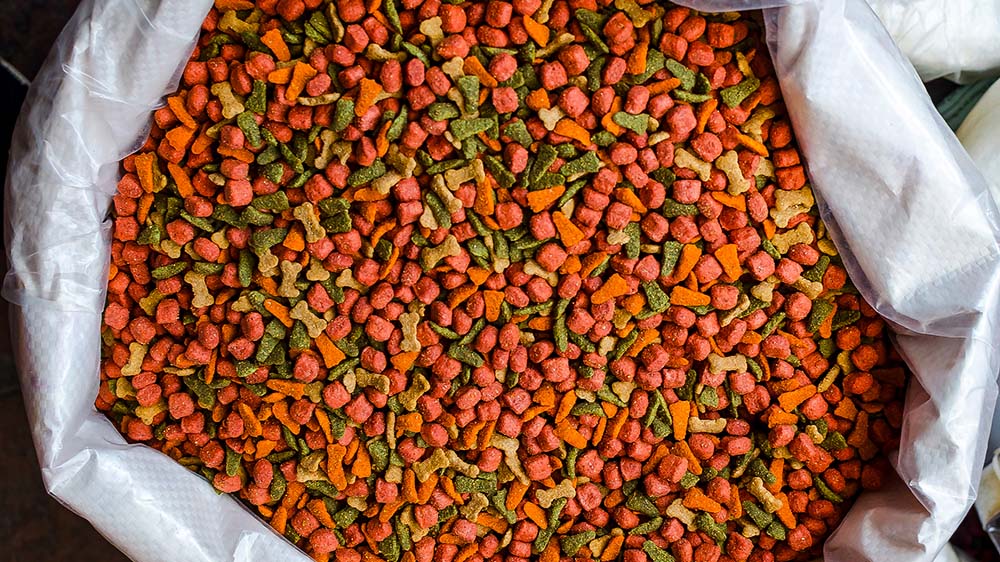
Natural Colors and Flavors: The New Standard in Pet Food
Learn how the industry is moving quickly to replace artificial ingredients and what manufacturers must do to maintain quality, compliance and throughput.
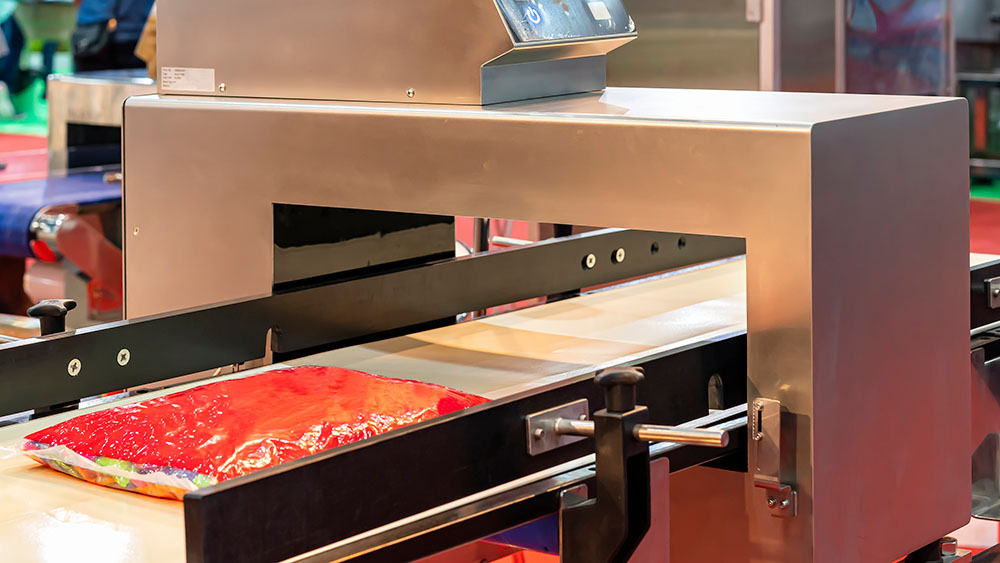
How to Control Glass Hazards in Food Manufacturing
Learn how to reduce glass contamination risks through prevention, inspection and maintenance best practices. Protect food safety and product quality.
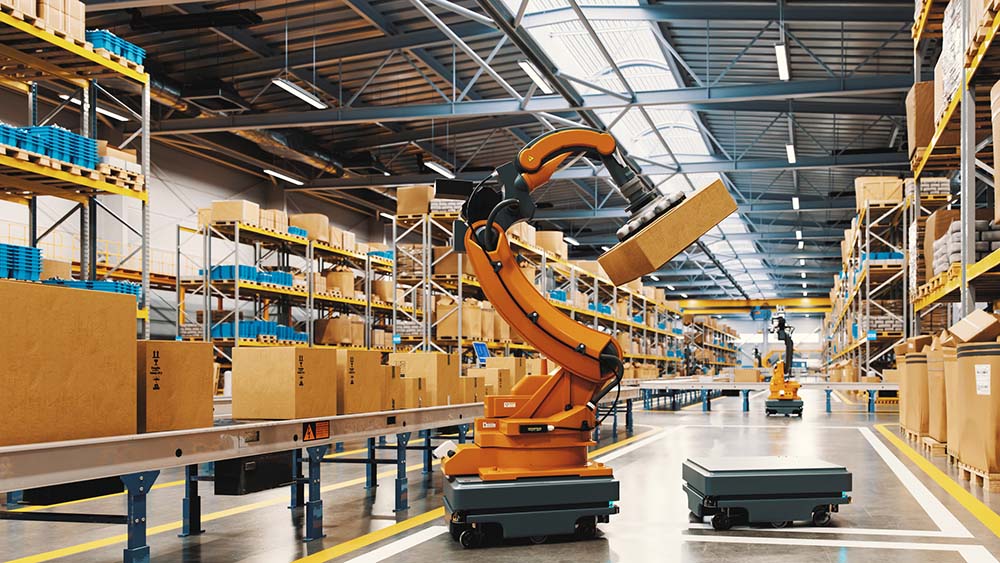
AI-Enabled Material Handling Automation in Pet Food Facilities
Learn how engineered material flow and AI-enabled automation can cut manual touches, speed dock-to-truck loading and support scalable growth.