

We help transform vision and mission into physical solutions.
Haskell’s Healthcare team translates clients’ vision and mission into physical environments that support efficient operations and the optimal patient experience. We collaborate with your team to develop specific yet flexible physical solutions to achieve your goals and priorities in an ever-changing healthcare environment. Our licensed healthcare architects and designers develop best-in-class solutions, and our subject-matter experts create roadmaps to implementation that allow for the organization’s financial and strategic realities.
Our planners incorporate the impacts of market dynamics and workflow.
The Haskell team is committed to staying relevant as new technologies and trends emerge. Our analysis of informed analytics and our creative design process help clients achieve a sustainable business model within the dynamic healthcare market. Our approach results in a level of assurance related to capital investment, market flexibility and stakeholder consensus that will keep your project on track through their development.
Talk to a Subject Matter Expert
Kevin Meek, RN-BSN, BA, MHI, EDAC, LSSBB, CCHM, FACHE
Vice President - Advisory Services
contact KevinRecognized By

Featured Projects
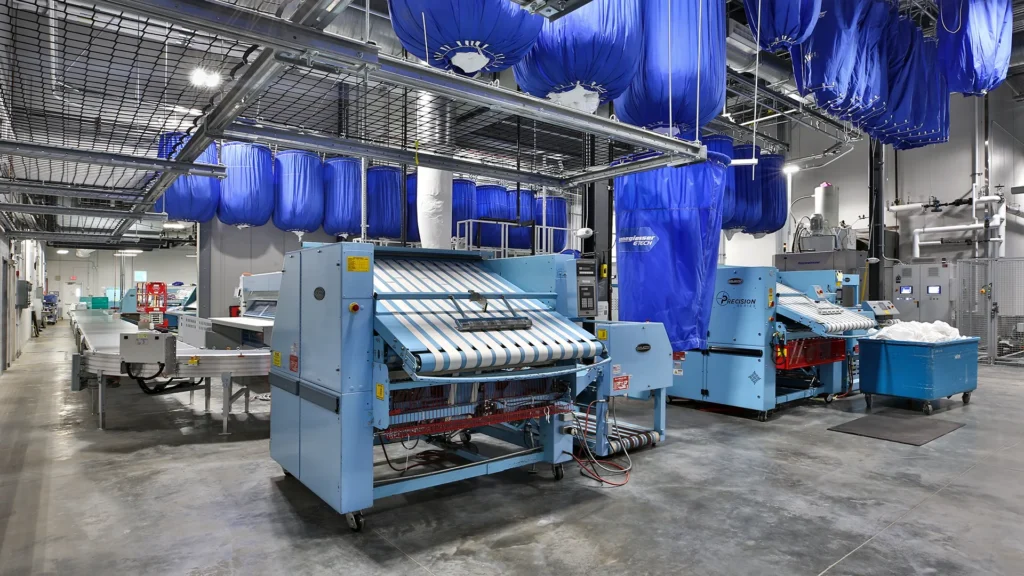
Jacksonville, Florida
Mayo Laundry Facility Expansion
Athens, Georgia
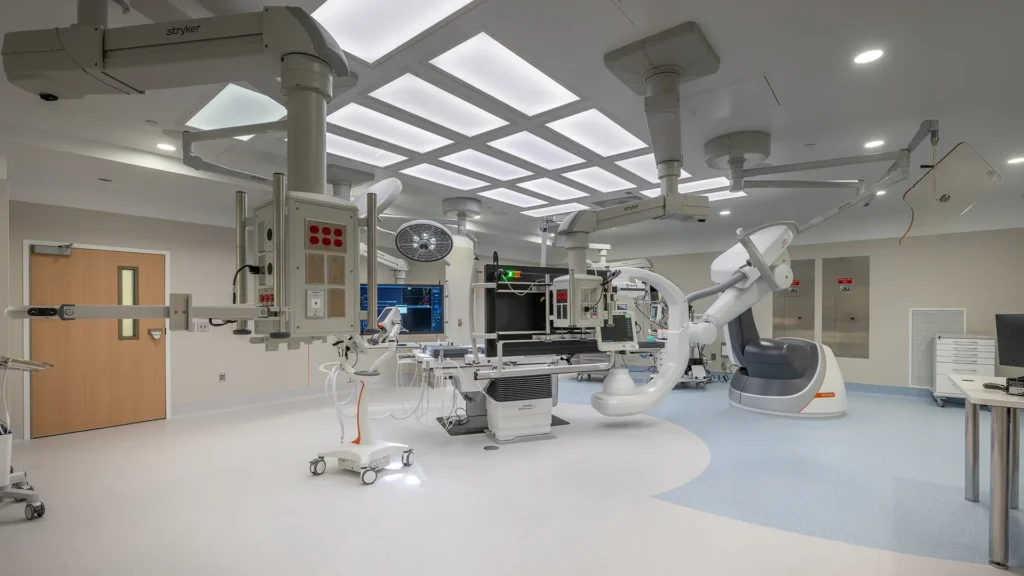
Piedmont Athens Regional Hospital Operating Room & HVAC Upgrades

San Antonio, Texas
CHRISTUS Health Santa Rosa Hospital
Informed master planning is key to whole-campus solutions.
Healthcare systems save time and money in the long run with an actionable master plan. Haskell’s team of strategists, facility planners and operational improvement experts leverage analytics tools and vast expertise to provide direction on how to address challenges facing campuses. Our creative solutions optimize care delivery by maximizing the existing footprint, phasing out obsolete buildings, and activating underutilized or vacant space to generate more revenue.
We align planning and programming with clients’ needs.
With regulations and reimbursement constantly changing, planning any capital project can be challenging. Haskell separates wants from needs and aligns the program and plan with operational goals, strategic initiatives, capital constraints and regulatory requirements. Our team can assist in the programming of a new hospital, ambulatory center or the renovation of departments. Our specialties include:
- Benchmarking: Confirming that your facility is efficient and within reason of industry standards.
- Programming: Determination of Key Planning Units, space definition, quantity and size.
- Space Utilization: Understanding who will occupy spaces, why, and how frequently.
- Codes & Regulations: Overlaying building code and policy regulations to assure health, safety, and welfare of patients and staff.
- Consensus Building: Aligning stakeholders in a unified direction.
- Key Adjacencies: Prioritizing the proximity of spaces and departments.
- Layout: Defining how the spaces all come together to achieve design principles.
Our feasibility studies find facilities’ highest and best use.
We assist hospital leadership in evaluating options to determine the best solution for their patient, strategic, capital and operational objectives Our evaluation process puts context to the concepts and identifies the implications for patients and staff. Repurposing, decommissioning, demolition, replacement and renovating are all strategies to be evaluated. Our team will help leadership determine a facility’s highest and best use while overlaying regulatory and code requirements to inform decision making. Factors considered include:
- Patient Perspective: Evaluate the options to create an optimal patient experience.
- Benchmarking: Knowing that a facility’s footprint is efficient and complies with industry or system standards.
- Space Planning: Conceptual test fit or block diagram to understand adjacencies, flow, and alignment with key planning units.
- Programming: Generate list of spaces and respective sizes required in basis of design.
- Project Costs: Create cost estimates in collaboration with Haskell Preconstruction Services.
- Facility Condition Assessment: Understand risk from infrastructure, capital planning, and plant operation points of view.
- Operational Impacts: Plan for process and staffing changes and revenue increase or loss.
- Planning & Logistics: Account for schedule, downtime and temporary needs.
Prototype packages provide numerous early-phase benefits.
Ambulatory and inpatient prototypes standardize operations and create a unique consumer experience and brand, whether in new construction or renovated space. Prototype designs can improve the patient and staff experience, reduce ongoing operational costs and minimize costs through reduced design time and fees. Our prototype packages provide clients with a toolkit to define capital investment demand, return on investment and anticipated long-term cost savings. They include:
- Patient Experience: Catering the facility to the consumer.
- Operations & Parameters: Following the saying “form follows function.”
- Building Blocks & Space Programming: Implementing basis of design programs and modular systems, which allows for flexible use and adaptability over time.
- Site Benchmarking: Providing estimated acreage ranges for property selection.
- Design Architectural, Interior, & Engineering Systems: Packaged designs for interiors, engineering and architectural systems that meet multiple budget points and geographic regions.
- Pre-Construction Estimating Templates: Established templates to quickly determine probable program and building costs.
Our preconstruction can provide clarity and bring projects to life.
Once a project moves into design and construction, there is still work to be done to bring clarity and create excitement. Our team can help bring additional specificity to the design and construction project through an opinion of probable cost, capital phasing, renderings to obtain philanthropic donations and additional detailed programming or planning. Those services include:
- Probable Cost Estimates: Combining construction costs with soft costs to create realistic total capital requirements with annual or quarterly cash flow and project phasing.
- Planning and Programming: Providing another level of detail to programming, planning, and site analysis in order to scope projects, obtain probable costs, and establish project phasing.
- Facility Renderings: Generating a vision and excitement for facilities projects through varying levels of facility renderings.
We bring order to the chaos of system expansion.
Our goal is to help create sustainable change organization-wide through alignment, collaboration and innovative strategies and solutions that allow transformation from within. By linking processes across patient care and operational platforms and converting data into actionable information, we provide insight that lets you proactively respond to the market demands and lead healthcare evolution.
In an era characterized by increasing patient demand, constrained resources and nonstop change, optimizing clinical and business operations is essential. We have found that significant cost and operating dollars are tied up in delays and variability. Whether in patient outcomes, length of stay, bottlenecks, throughput, workforce productivity, clinical supply utilization or staff retention, we help our clients reduce the variation influencing the cost of patient care delivery.
We bring order to the chaos of system expansion.
As systems grow to take advantage of economies of scale, merging disparate operations can be costly and chaotic. With our knowledge of operational and clinical best practices, we’ll help you to standardize and optimize operations. Haskell takes a collaborative approach to system integration. Our clinical staff, process analysts and data experts work with each stakeholder’s unique supply chains, data systems and processes to craft integration strategies.
The correct facility is vital to patient and operational success.
Overbuilt facilities result in increased infrastructure costs, wasted space and operational waste. It’s true: Form really does follow function! It is also true that combining operational and clinical objectives and a right-sized facility design assures maximum utilization and the best possible patient and employee experience. Our highly skilled, multidimensional teams can transform your organization from within, remove inefficiencies and bottlenecks and inform a design reflective of your organization.
Detailed planning allows a successful move from Day One.
Transition and activation planning is the coordination of the physical, clinical, human resource and operational components of the move into a new facility. It is the key to an on-time, on-budget and safe opening. Given the magnitude of operational changes, staff-orientation challenges and natural anxiety that accompany a move, an effective transition and activation schedule is paramount. An integrated activation schedule, much like an orchestra score, describes what should be done, by whom and when, allowing staff to competently conduct Day One operations.
Optimizing operations to reduce costs bolsters the bottom line.
Managing bottlenecks and reducing expenses has a higher impact on a hospital’s bottom line than finding new sources of revenue. Haskell identifies hidden operational costs that encumber organizational productivity. With our comprehensive analytics and visualization capabilities, we eliminate the ambiguity of complex problems and provide actionable solutions tailored to your unique needs.
A capacity test compares future demand with the current footprint.
A capacity test evaluates inpatient, surgical and emergency department demand against the current footprint as a baseline for future planning efforts and “what if” scenarios in the market. “What-if” scenarios might include hospital closure, service line expansion or even a pause on a facility expansion plan. Haskell performs a high-level assessment of square footage requirements to determine how well the hospital can absorb change. Think of it as a “check under the hood” to start the conversation about the best use of capital dollars.
Our strategy team rationalizes and optimizes duplicate services development.
Owners of multiple facilities in the same market are challenged by managing similar services near each other. Standardization and capacity optimization can translate into resource optimization. Work with Haskell’s healthcare strategists to develop a market-based plan for service rationalization that will reduce clinical variation and improve efficiency and patient experience. Managing access points and rationalizing service delivery maximizes investment dollars and leverages clinical strengths.
Business case development supports capital investments.
Our financial services team performs due diligence to evaluate potential returns before you invest millions in infrastructure. Our customizable financial models show projected net margin, future cash flows and net present value by year. Scenarios can be run to allow users to understand the impact of incremental new volume, changes to payor mix or case mix, and the implications of rising expenses. These models paint the financial picture for the downstream impact of large capital investments.
Our framework helps prioritize capital projects across the system.
Prioritizing competing capital projects can be challenging and political, but it is instrumental in achieving financial success throughout a health system. Our team has developed a system capital planning process that creates a framework for investment decision support and prioritization. The goal of the process framework and embedded decision support variables is to align a system’s planned facility investments within a rolling three- to five-year capital plan across all campuses within a system.
Related News & Insights

Micro-Hospitals Offer a Scalable Path for Rural Access
Learn how micro-hospitals differ from traditional facilities and why community education can shape adoption. See Northeast Georgia Health System’s approach; Lumpkin County micro-hospital.

Consider ‘Day in the Life’ Issues Long Before Healthcare Opening
Learn team members' varying perspectives to guarantee that all operational processes and space considerations are clear prior to Day One operations.
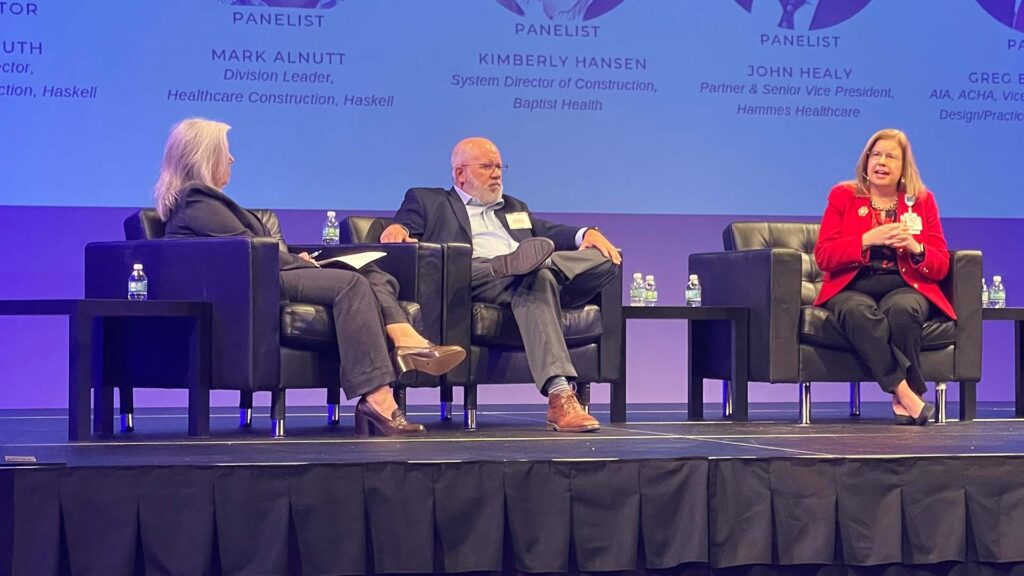
Healthcare Construction Challenges and Adaptations Highlight Summit
Haskell leaders joined a cross-disciplinary group of experts to discuss the transformational steps taken during 'A Year of Health Care Resiliency.'
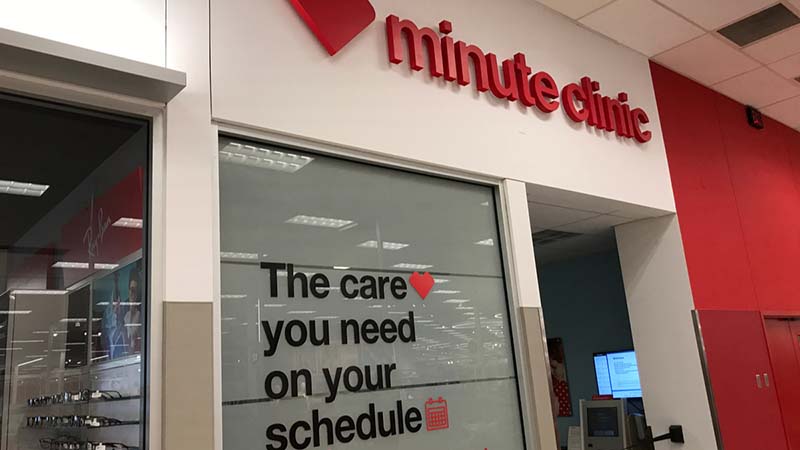
Impact of Retail Health and “Non-Traditional” Competitors on Ambulatory Environment
Explore how retail health clinics and non‑traditional competitors are disrupting the ambulatory landscape and what healthcare providers can do to stay competitive.