

An aerostructures manufacturer requires expansive scale.
When Spirit AeroSystems tapped Haskell to create a facility in which they would manufacture massive structural composite aircraft components for the Airbus A-350, key project details were still under development. One variable that was already clear? This 625,000-square-foot facility would house one of the world’s biggest autoclave units.
Our flexible design adapted to emerging requirements.
Along with the autoclave, the LEED-certified plant would hold two cleanrooms totaling 170,000 square feet, all cleaned and cooled by more than 3,000 tons of chillers, cooling towers and humidification systems. The structural framed building and its insulated metal panel envelope were fully environmentally controlled and required extensive plumbing, gas and electrical requirements.
The successful facility is already primed for growth.
Integrated design-build delivery allowed design and construction teams to meet known and emergent requirements, maintain aggressive schedules and restrain the project budget. The well-planned structure would also easily support future expansions.
Sustainability by Design
- Leed Certification Logo
- LEED® Silver Certified – 33 points
- Master Planned for Growth – Building and airport runway properly aligned; Accommodates utility disruptions due to expansions; Additional loading capacities in foundations and structure
- Alternative Transportation – bicycle racks, showers, lockers, changing facilities, and preferred parking for high-efficiency vehicles
- Heat Island Effect – Light-colored roofing and concrete paving improve microclimate
- Exterior Lighting – Sharp cut-off luminaire designs eliminate light trespass onto adjacent properties
- Water Conservation – The facility utilizes an irrigation system that reduces potable water consumption by 60.1% and low-flow urinals and lavatories that reduced potable water use by 33.3%
- Energy Savings – High-efficiency HVAC equipment, increased insulation, motion sensor lighting, and efficient motors produced and estimated energy cost savings of 14.9%
- Materials – Recycled over 90% of construction waste. 40% of building materials came from recycled content. Over 44% of building content came from local (within 500 miles) materials
- Indoor Environment – Low volatile organic compounds (VOC’s) used in adhesives, sealants, paints, coatings, carpet and flooring.
Related Topics
Talk to a Subject Matter Expert
Ben Meurer
Vice President & Segment Market Leader - Advanced Technology & Mission Critical
contact BenProject Highlights
315-acre master-planned site contains 625,200 SF, single-story structure with a 42’ clear height
Facility is fully environmentally controlled
Utilized recycled or local materials for nearly 50% of building content
Excellence in Construction Award – Associated Builders and Contractors 2010
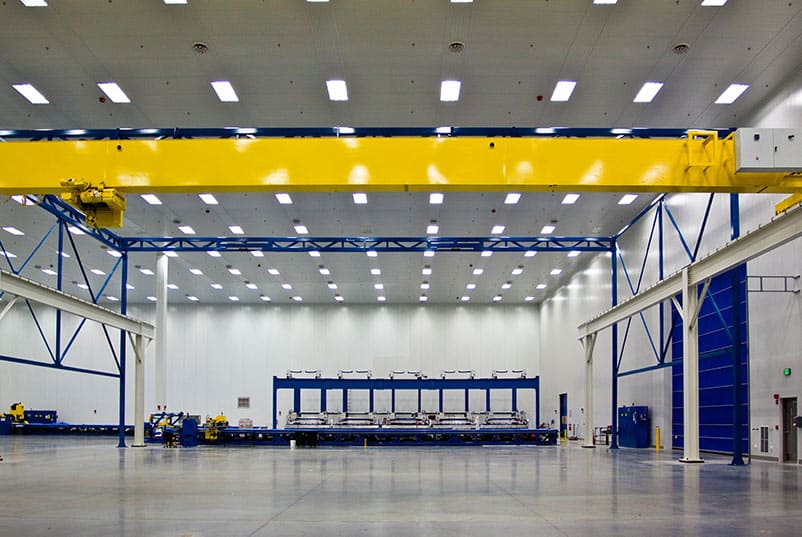
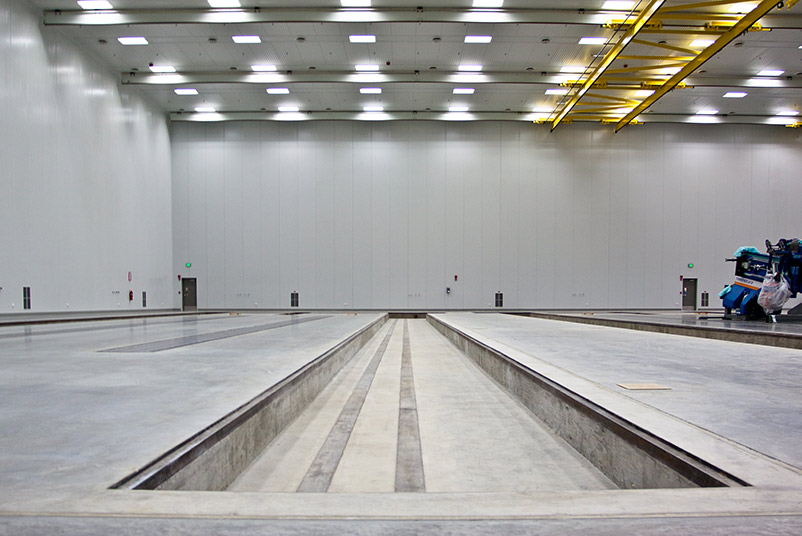
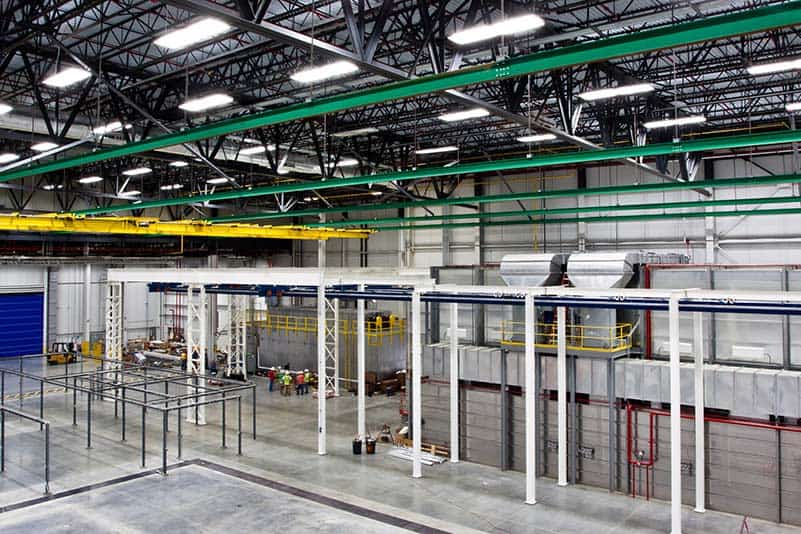

Haskell continually showed innovation in approach and design to minimize cost and accelerate the schedule. Haskell displayed a “find a way” attitude to meet these demands in dealing with emergent requirements.
Ron Redford
Senior Manager, Global Facilities Management, Spirit AeroSystems
Related Projects
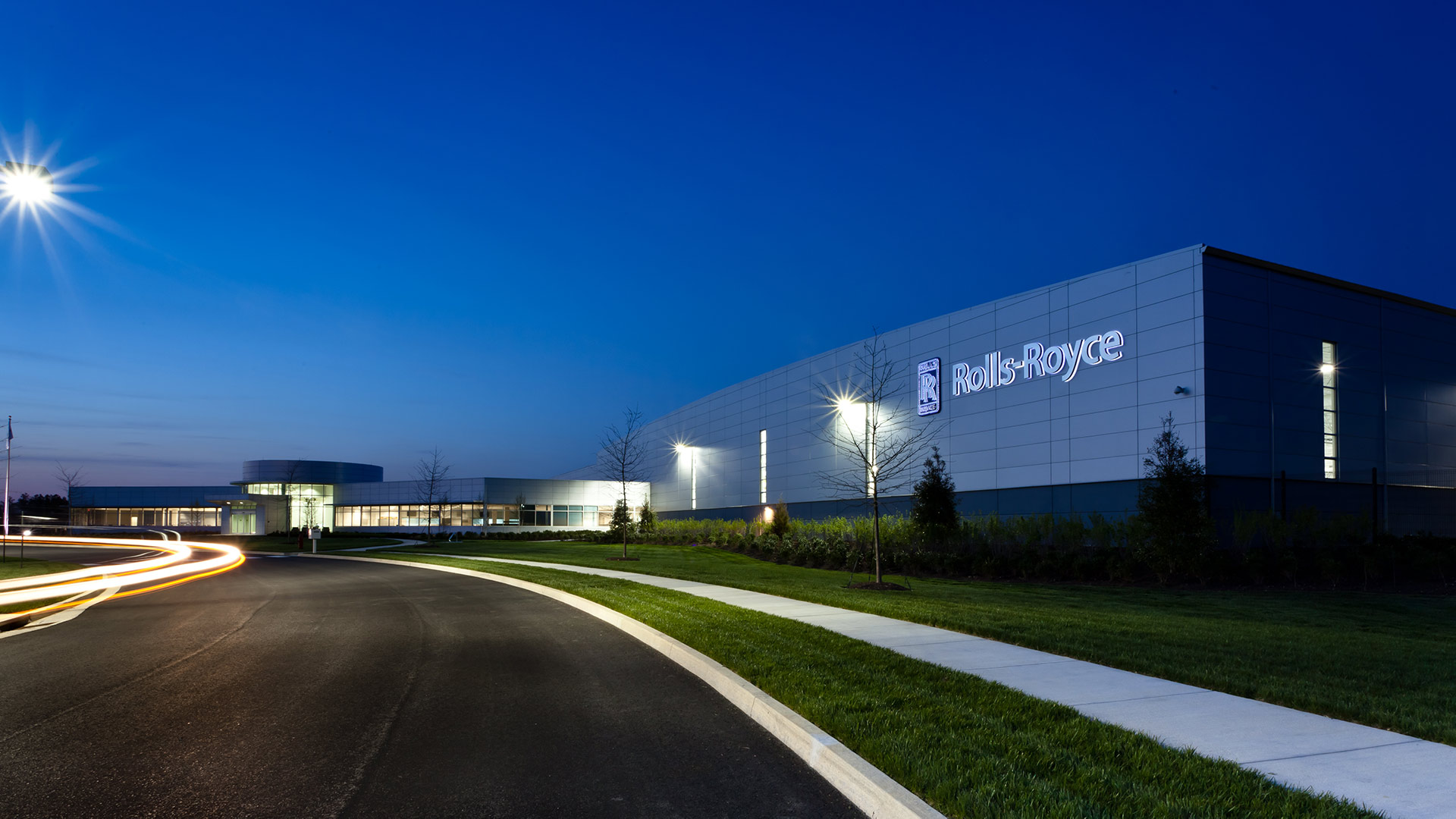
Prince George, Virginia
Rolls-Royce Crosspointe Rotatives Facility
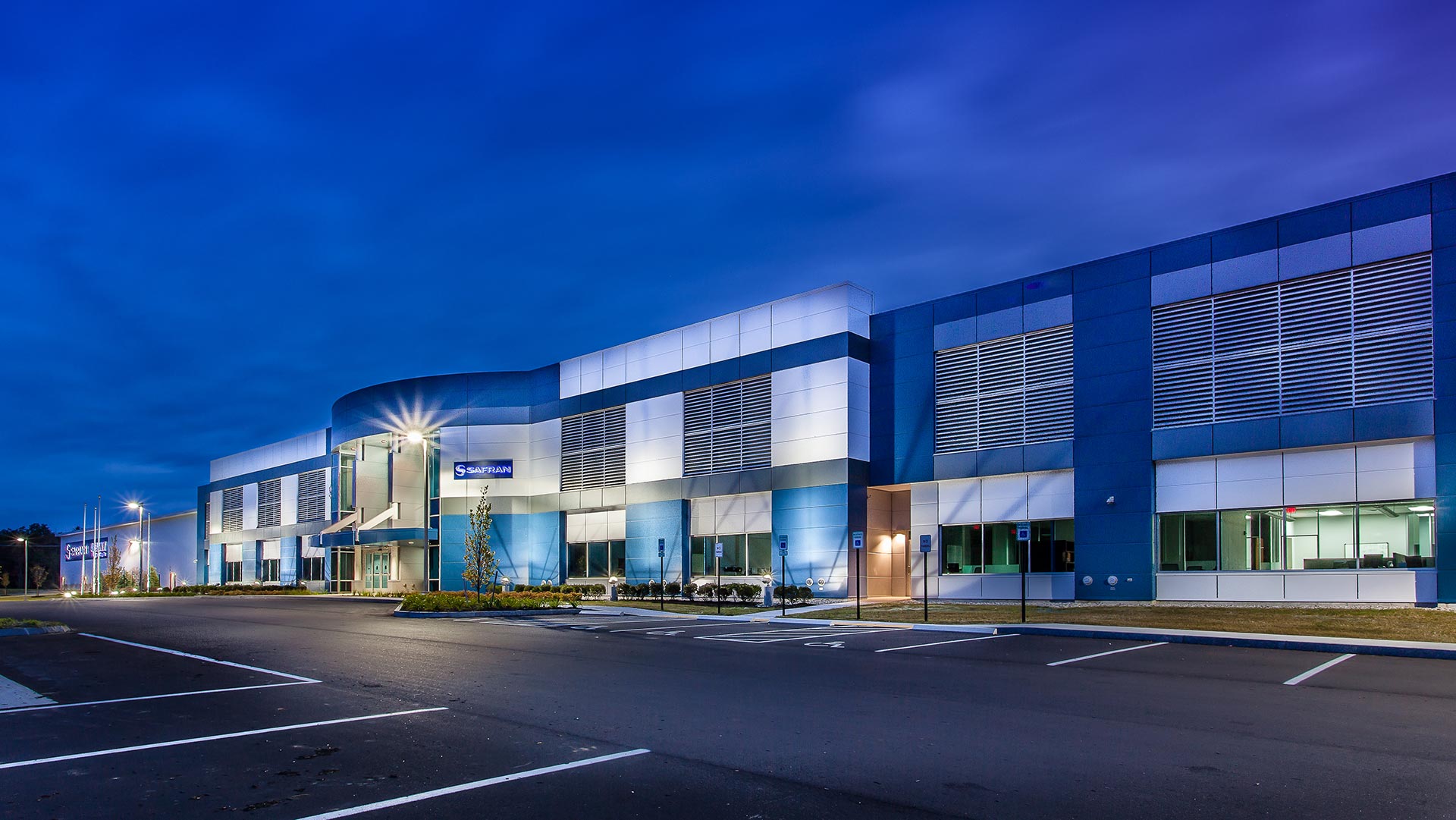
ROCHESTER, NEW HAMPSHIRE
Safran Aerospace Composites Facility
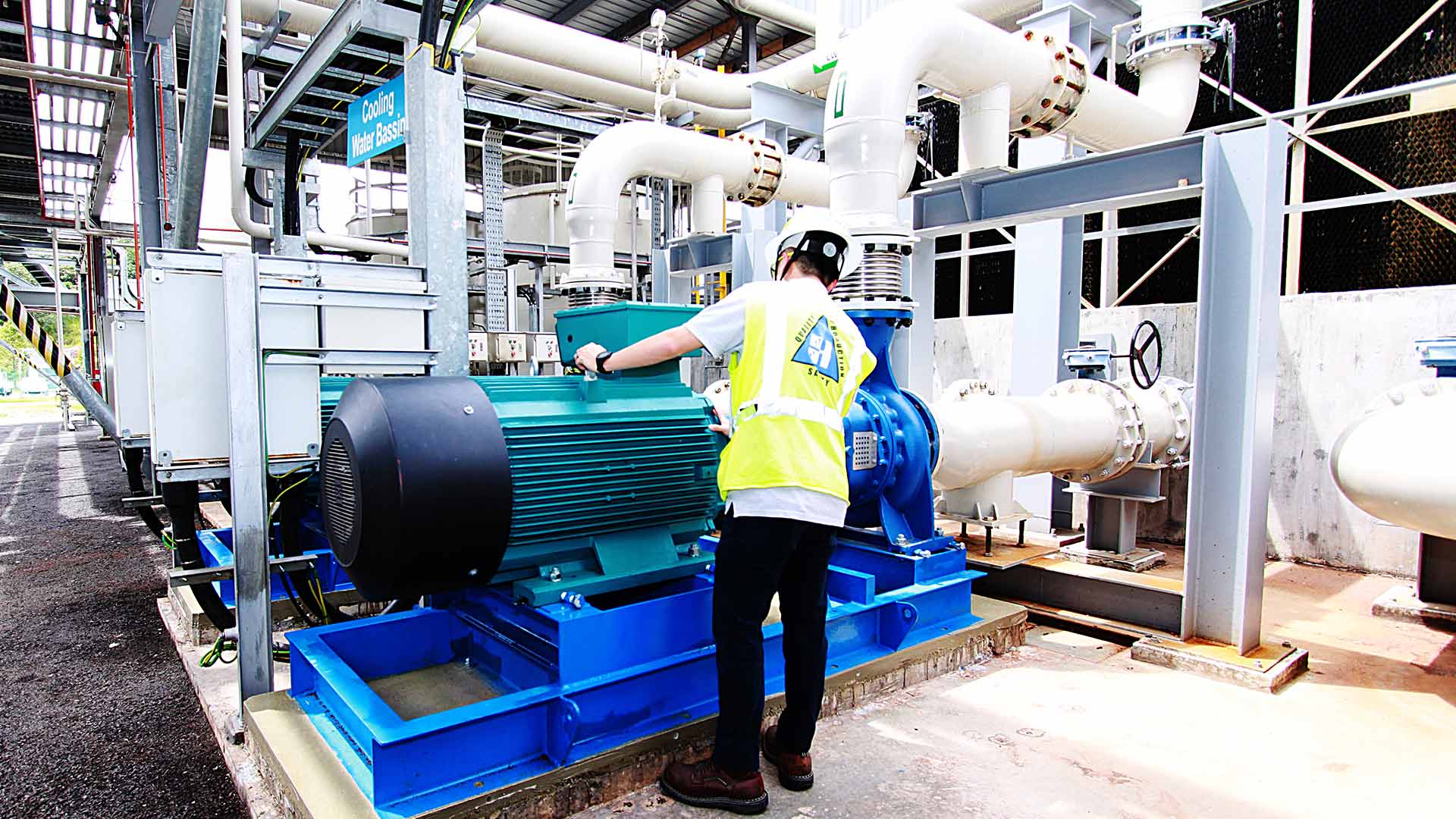
Malaysia
Safran Landing Systems
Related News & Insights
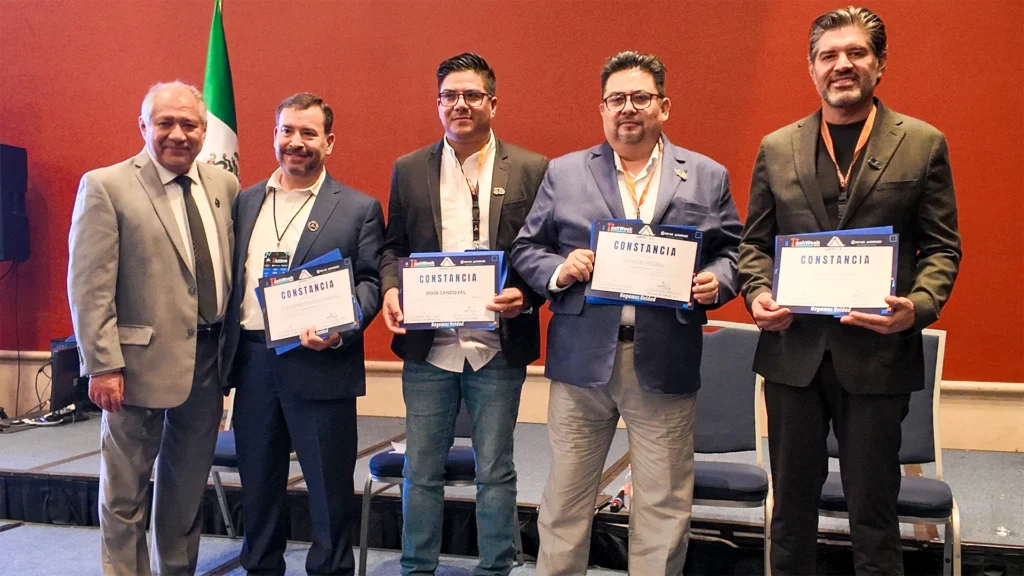
TechWeek Message: Early Integration is Key to Outcomes and Quality
Explore how data centers and modular projects each demand the same discipline: resolve critical details early and carry quality through every phase.
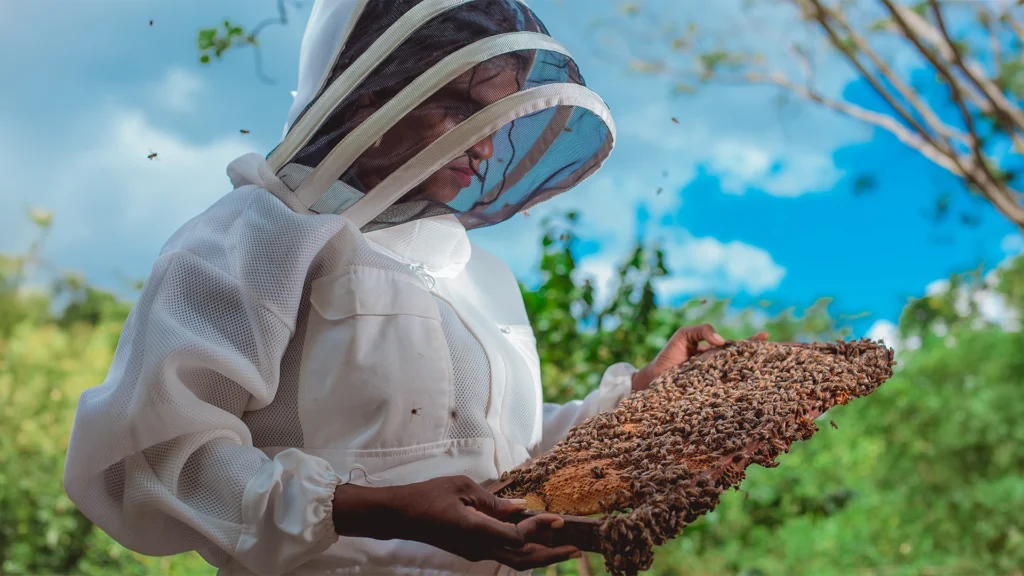
Grace Foster-Reid Leads With Purpose Through Every Storm
Learn how the Jamaican Project Manager earned Haskell's Living the Values Award for her leadership, compassion and commitment to others.
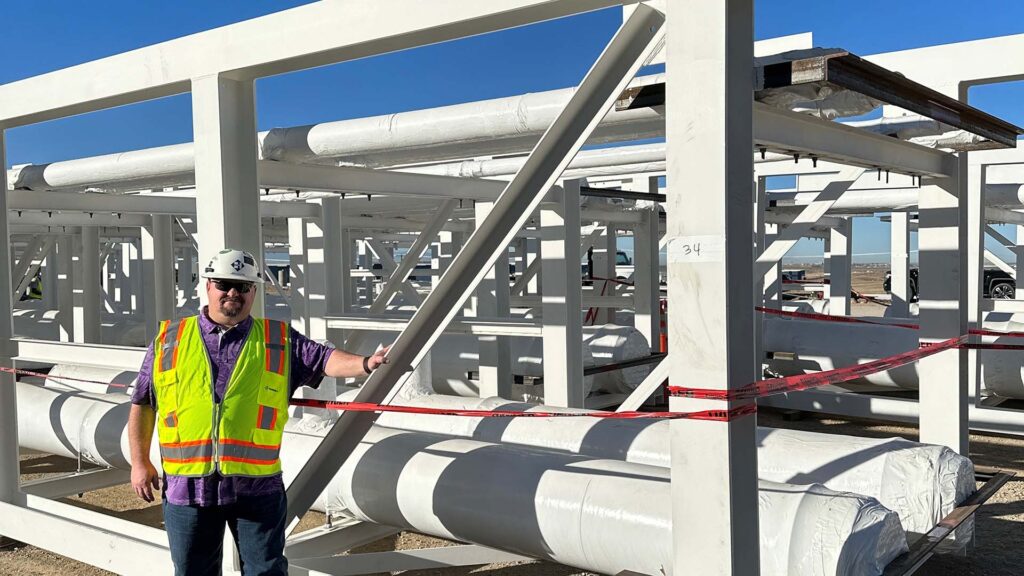
Fabrication, Sales and Service Underpin for Eric Jensen’s Leadership
Learn how the Haskell Superintendent's technical depth and people skills make him 'the glue that keeps it all together' on complex projects.
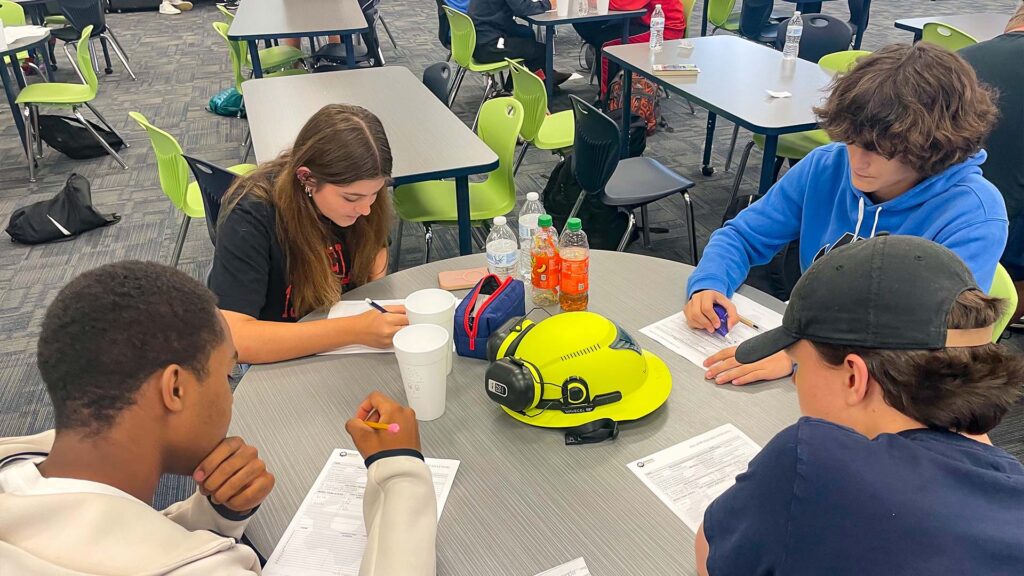
Haskell Partners with NEFBA to Expand Construction Trade Education
Learn NEFBA's vision for a state-of-the-art home for the next generation of skilled labor. See how Haskell invests in the future construction workforce.