

Data-Based Analysis Drives Optimal Manufacturing Facility Design

Learn how Haskell’s System Analytics team replaces assumptions with facts for smarter capital investment, better performance and reduced risk.
In Protein, Ready-to-Eat (RTE) and Pet Food operations, performance issues rarely surface where the real problem lies.
Manufacturers continue to face increased complexity. Production lines are pushed harder. SKU counts continue to rise. Labor is costly and unpredictable. Regulatory scrutiny and customer expectations around food safety and traceability continue to grow. At the same time, capital investments face heightened pressure to deliver measurable returns.
In this environment, assumptions are expensive. The instinct is often to address the most visible bottleneck, often leading to capital investments that fail to address the core issue. Haskell’s System Analytics team shifts that process from troubleshooting with assumptions to solving with facts.
Haskell’s System Analytics specialists evaluate how production flow, equipment performance, packaging and refrigeration, utilities, sanitation and material handling function together as a single operating system. Haskell can then leverage its fully integrated delivery model to leverage data during master planning and conceptual development.
Analyzing the complete system uncovers the constraints that truly govern capacity and performance, not just those visible on the floor.
In protein facilities, packaging constraints frequently cap debone throughput long before upstream processes reach their limits. Refrigeration strategy and airflow design directly affect product quality and sanitation windows, which influence both yield and uptime.
In RTE environments, hygienic zoning, changeover discipline and cook-and-chill performance often determine whether growth can occur without introducing additional food safety risk.
In pet food operations, grinding, batching, extrusion or thermal processing and bagging rates are often constrained by utilities capacity and dust control performance rather than by equipment speed alone.
When these relationships become visible through data, improvement efforts shift to areas that unlock optimal performance and capacity.
By validating process and packaging decisions with operational data during master planning, the analytics team can provide clients with a clear, defensible understanding of:
- What is limiting production today
- What investments will unlock capacity tomorrow
- How automation, facility upgrades and utilities should be prioritized and sequenced
This clarity reduces cost and schedule risk and aligns operations, engineering and food safety teams around a shared strategy. Leadership can move forward with confidence, knowing capital is directed at actual system constraints rather than perceived ones.
Because Haskell is a fully integrated design-build partner, these insights do not stop at analysis; they carry directly into planning, engineering and construction, ensuring the facilities reflect how operations truly run.
For manufacturers evaluating expansion, automation or performance improvement initiatives in Protein, Ready-to-Eat or Pet Food facilities, a fact-based approach to capital planning strengthens return on investment from Day 1.
About the author: Rick Elyar is a Director of Business Development at Haskell, where he leads strategy for the Protein, Ready-to-Eat and Pet Food and Treat manufacturing sectors. With more than two decades of experience in food processing, process and packaging engineering and food safety compliance, Elyar advises clients on capital planning, facility design and system performance across North America. He has expertise spanning USDA-, FSMA-, BRC- and SQF-regulated environments, including raw meat, high-care RTE and shelf-stable operations.
Contact Haskell’s System Analytics team for the deep, nuanced analysis it takes to leverage data to draw informed conclusions and support real-world decisions across a wide variety of industries.
Related News & Insights
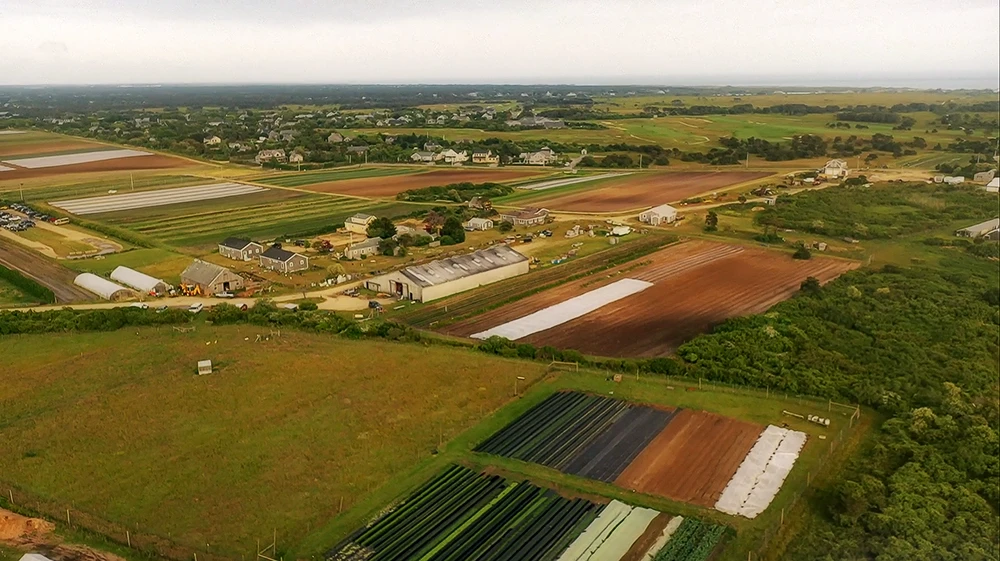
An Adventure in Nantucket, Restoring Distillery Automation
Learn how Haskell Subject Matter Expert Alan Green brought custom solutions to Triple Eight Distillery to upgrade an overmodified system.
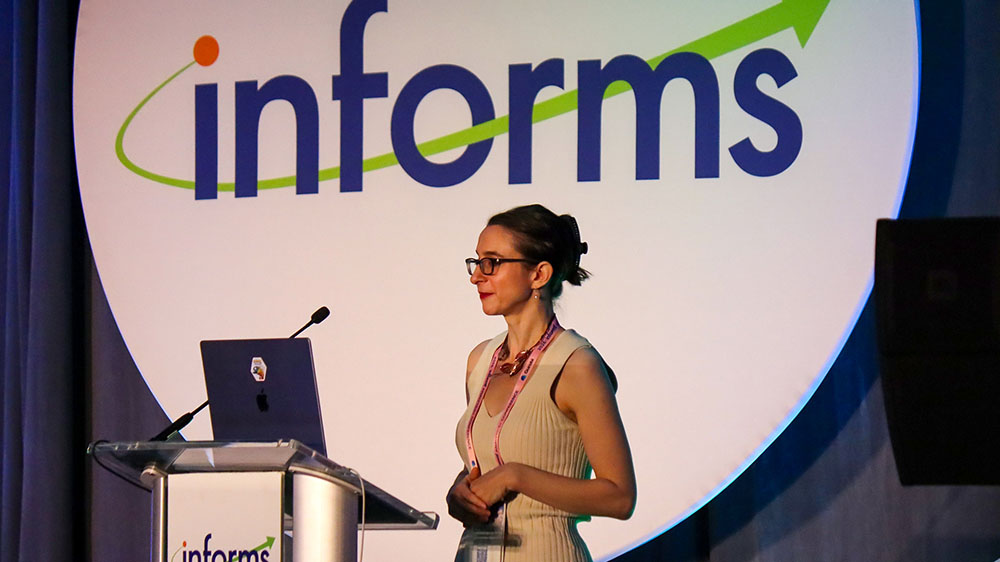
How AI and Digital Twins Are Shaping Industrial Analytics
Discover how stronger data foundations and planning tools are improving operations. Explore insights on capacity planning, supply chains and modeling.
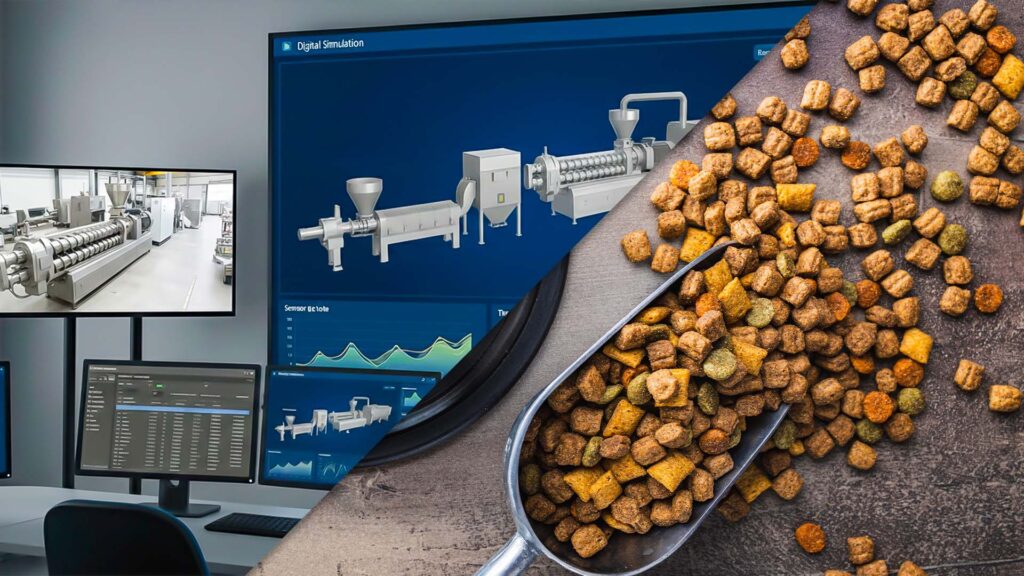
A Process Engineering Perspective on Digital Twins in Pet Food Manufacturing
Learn how process engineering models help manufacturers manage ingredient variability, improve consistency and reduce waste at scale.
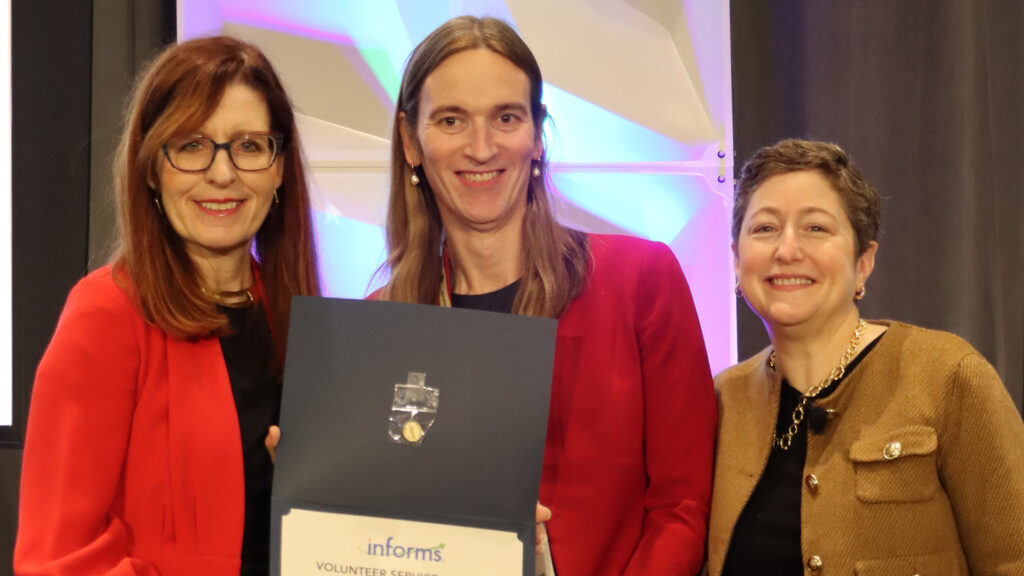
System Analytics Leader Recognized with Pair of INFORMS Honors
Join us in celebrating Shannon Browning's new Senior Member status in the organization and learn how she earned its Volunteer Service Award.