

The Immediate Need for CO₂ Refrigeration in Food Processing

Learn how regulatory pressure and performance demands are accelerating the transition to CO₂ refrigeration across food processing facilities.
Global and domestic regulations are accelerating the phase-down of synthetic refrigerants with high Global Warming Potential (GWP), such as hydrofluorocarbons (HFCs), requiring food processors to reassess long-established refrigeration strategies.
International agreements, including the Kigali Amendment, evolving European F-Gas regulations and U.S. requirements under the EPA’s AIM Act, are reshaping refrigerant availability and long-term compliance planning across industrial markets.
Beginning January 1, 2026, many high-GWP HFCs will no longer be permitted in new refrigeration systems. For food processors planning new facilities or major expansions, these restrictions introduce uncertainty around refrigerant availability, long-term operating cost and regulatory exposure.
In response, CO₂ (R-744) has emerged as the most reliable long-term refrigerant option, offering regulatory certainty, proven industrial performance and a clear path forward as synthetic refrigerants continue to be phased down.
Regulatory Drivers and Long-Term Risk
The EPA’s AIM Act mandates an 85% reduction in HFC production in the United States by 2036, with similar reductions already underway globally. These phasedowns affect not only refrigerant selection, but also long-term system viability, maintenance planning and total cost of ownership.
CO₂ differs fundamentally from HFC and HFO refrigerants in that it is not subject to future phase-down schedules or production caps. As a naturally occurring refrigerant with a Global Warming Potential of 1, CO₂ offers regulatory stability that synthetic alternatives cannot. For food processors investing in refrigeration infrastructure with multi-decade service lives, that stability is a critical planning consideration.
Performance and Sustainability Advantages
CO₂ refrigeration systems deliver strong thermodynamic performance in food processing environments, particularly in low-temperature applications such as blast freezing and cold storage. These systems are widely deployed across industrial markets and are no longer considered emerging technology.
Energy Performance: CO₂ systems perform efficiently in low-temperature and high-load applications, supporting consistent operation in demanding processing environments.
Environmental Impact: With a GWP of 1 and zero ozone depletion potential, CO₂ significantly reduces environmental impact while supporting Environmental, Social and Governance objectives.
Safety Advantages: CO₂ is non-flammable and non-toxic, offering a favorable safety profile compared to ammonia and hydrocarbon-based systems.
Lifecycle Economics: While initial capital investment may be higher than some HFC-based systems, CO₂ refrigeration often delivers a lower total cost of ownership through improved energy performance, stable refrigerant pricing, reduced leak liability and elimination of future regulatory retrofit risk.
Design and Operational Considerations
CO₂ refrigeration systems operate at higher pressures than traditional synthetic refrigerant systems, requiring specialized components, detailed engineering and advanced control strategies. Successful implementation depends on careful evaluation of ambient climate conditions, load profiles and system configuration.
Haskell delivers integrated refrigeration engineering, design-build delivery, and commissioning services that enable CO₂ systems to be coordinated with process equipment, utilities, and facility infrastructure from the earliest stages of planning. System performance is evaluated across operating conditions to ensure stability, efficiency and long-term reliability.
Contact Haskell’s refrigeration and process engineering teams to evaluate whether CO₂ refrigeration is the right solution for your next food processing project.
 About the Author: As Refrigeration Design Director, Doug Stricker leads Haskell’s process cooling and refrigeration engineering group, providing technical leadership and oversight for protein processing projects across pork, chicken and turkey operations. With industry experience since 1991 and deep expertise in rapid chilling, pathogen-control strategies, blast freezing, cold storage and refrigerant/energy-efficiency trade-offs, Doug designs cooling systems that protect food safety, product quality and regulatory compliance from slaughter through packaging.
Related News & Insights
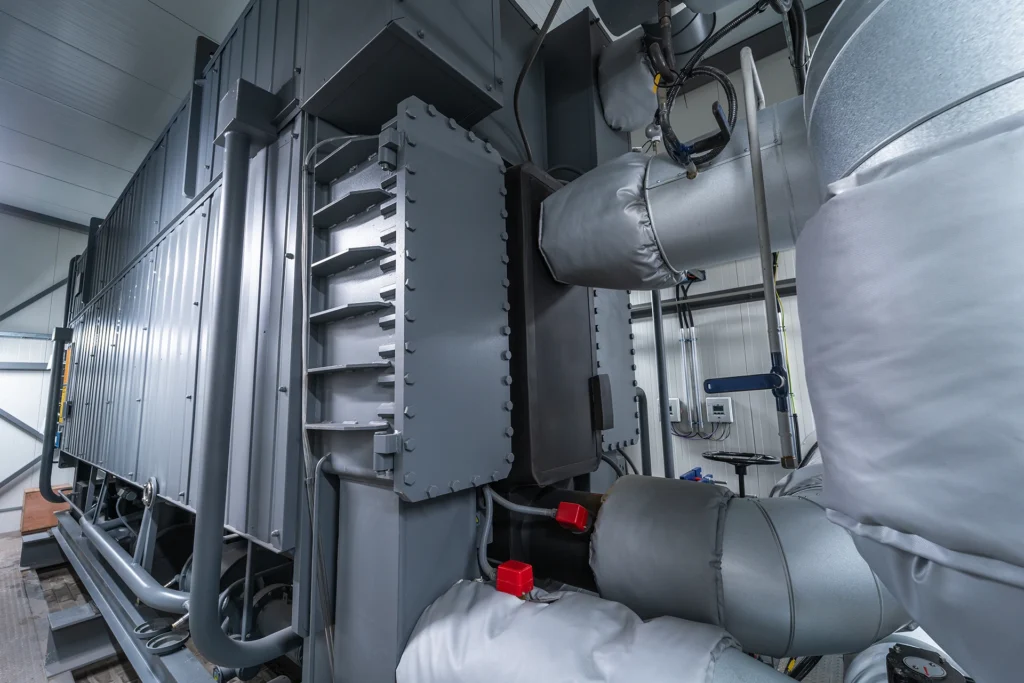
What Manufacturers Should Know About High-Temperature Heat Pumps
Discover how industrial manufacturers evaluate high-temperature heat pumps as part of an integrated thermal strategy. Learn what early design decisions shape performance and economics.
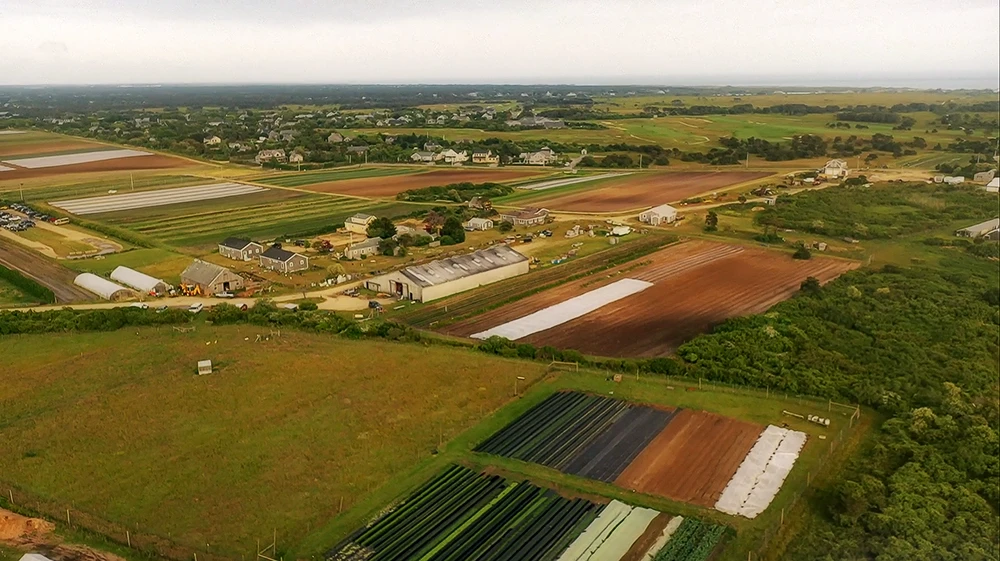
An Adventure in Nantucket, Restoring Distillery Automation
Learn how Haskell Subject Matter Expert Alan Green brought custom solutions to Triple Eight Distillery to upgrade an overmodified system.
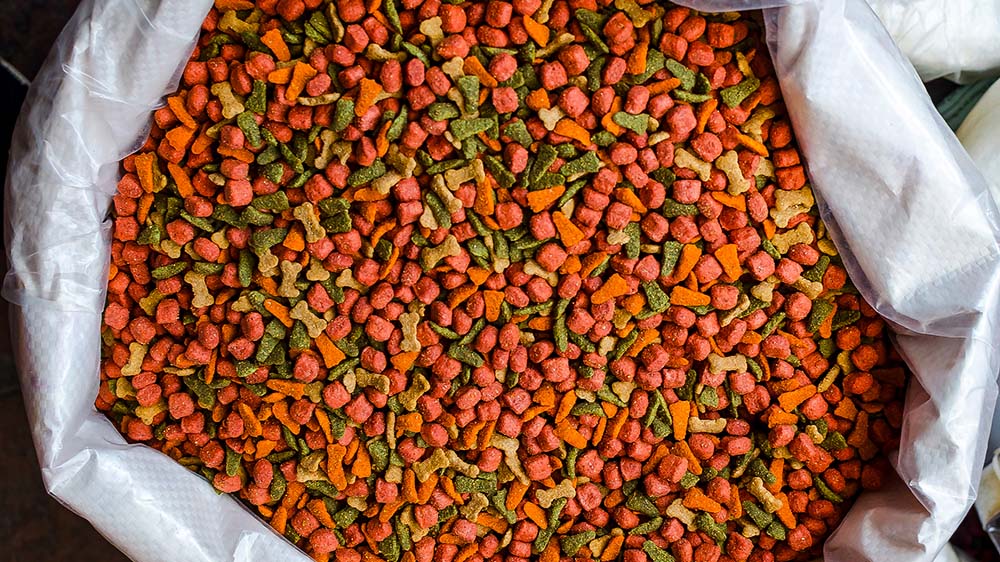
Natural Colors and Flavors: The New Standard in Pet Food
Learn how the industry is moving quickly to replace artificial ingredients and what manufacturers must do to maintain quality, compliance and throughput.
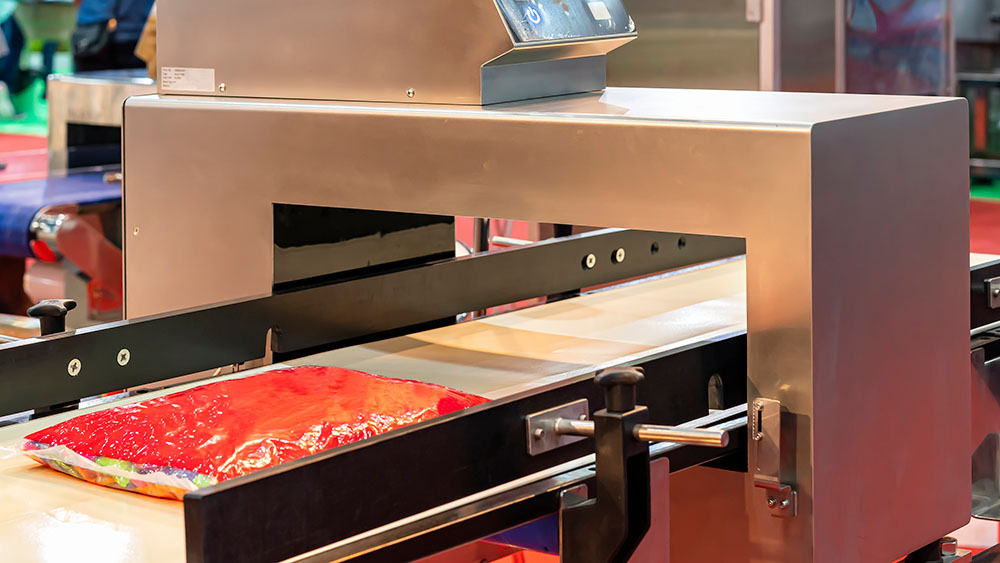
How to Control Glass Hazards in Food Manufacturing
Learn how to reduce glass contamination risks through prevention, inspection and maintenance best practices. Protect food safety and product quality.