

Beneath all beautiful space, we design effective engineering.
In partnership with HDR architects.
Spartanburg Medical Center Pavilion accommodates over 500 beds and hosts over 540 professionals dedicated to the community. This project involved fit out of existing shelled space for the addition of patient care including ICU and skilled nursing areas. To support the addition of patient rooms, a penthouse enlargement was incorporated into the scope of the project to house MEP infrastructure. The project included an atrium with an advanced smoke evacuation system seamlessly integrated into the building’s management system. Located directly above the existing surgery department, the renovation required detailed inspections and coordination of existing facilities to ensure no disruptions to existing operations and precise planning of construction activities.
Related Topics
Talk to a Subject Matter Expert
Project Highlights
Conversion of existing shelled space into ICU and skilled nursing patient care areas supporting a 500+ bed medical campus.
Related Projects
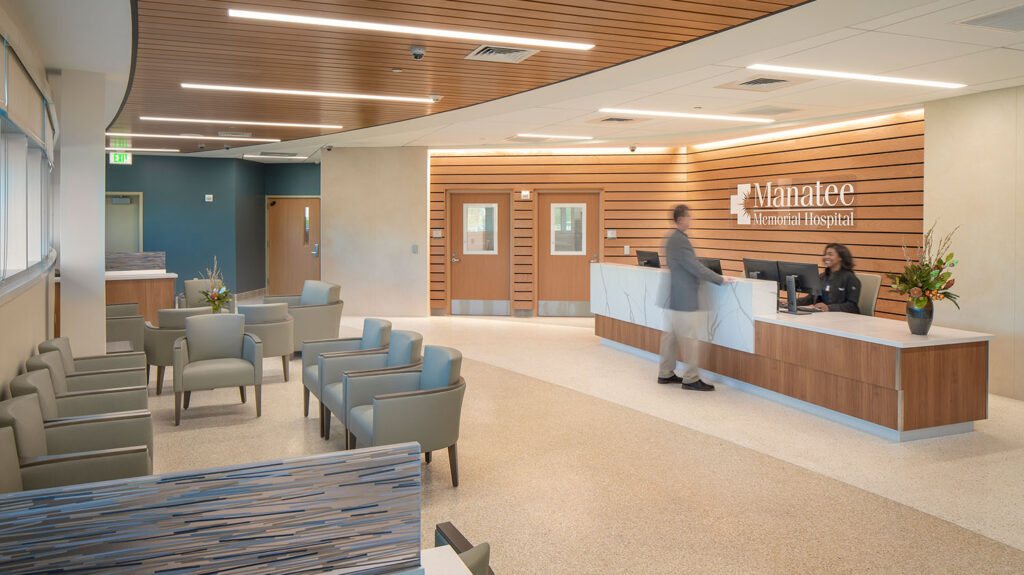
Bradenton, Florida
UHS Manatee Memorial Hospital Emergency Department
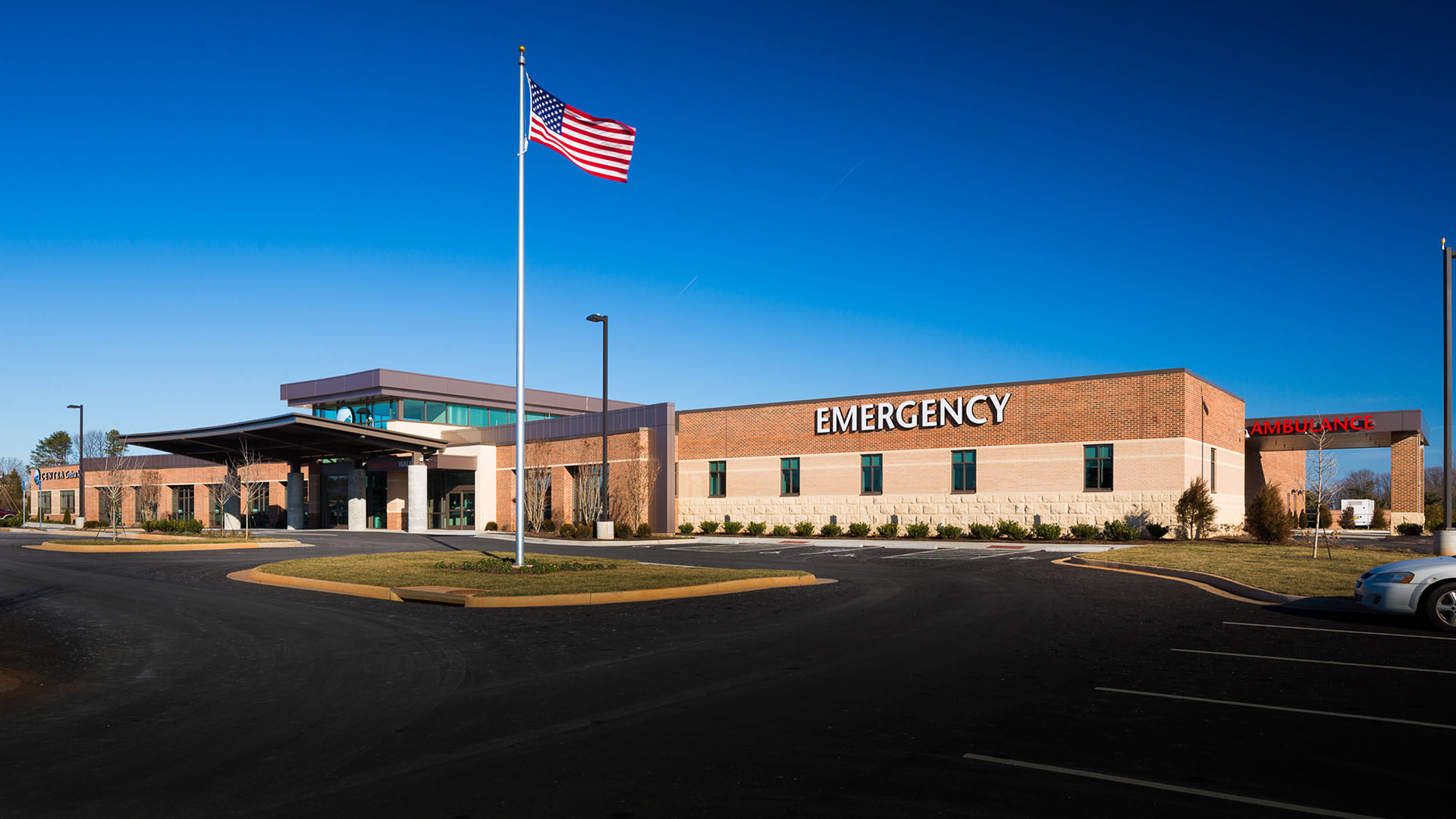
Gretna, Virginia
Centra Gretna Medical Center
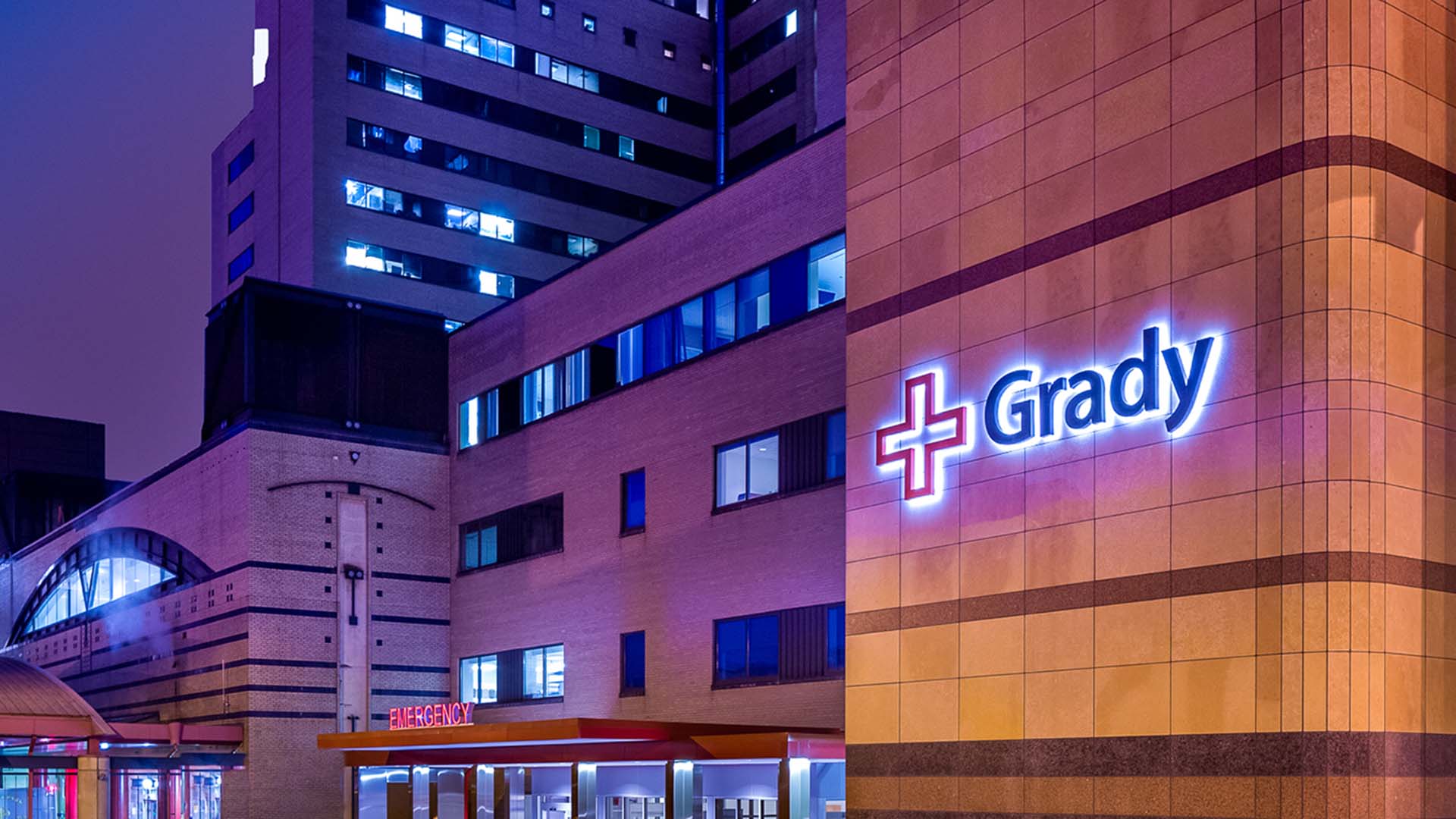
Atlanta, Georgia
Grady Health Emergency Department
Related News & Insights
Healthcare Designer Helps Launch Jacksonville’s The SPOT
Explore Kristen Argalass's work making The SPOT an accessible place for connection and mental health support through a community-based model.
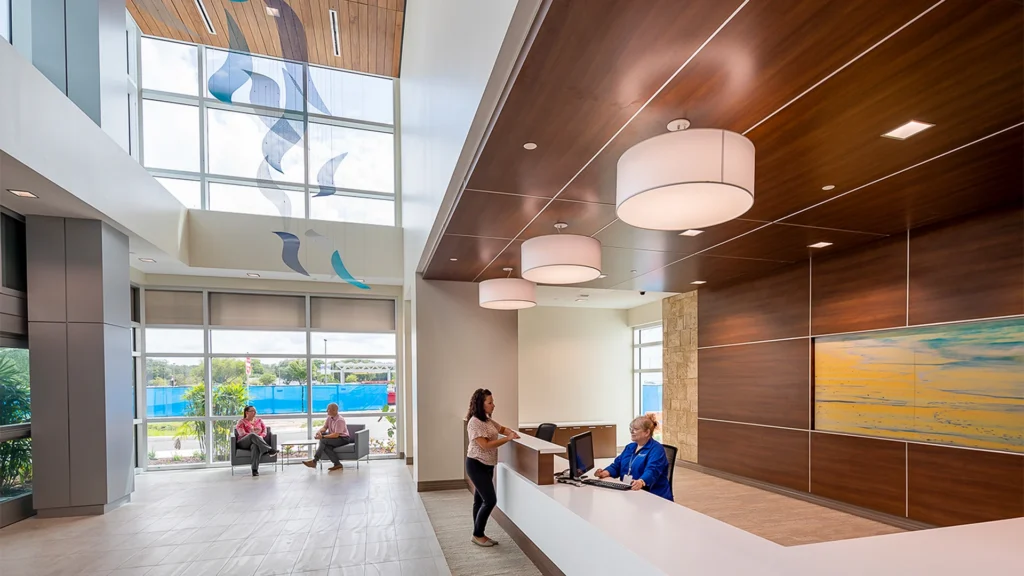
Healthcare Security Works Best When Planned from the Start
From egress planning to AI surveillance, learn how proactive healthcare security design improves safety without compromising patient experience.
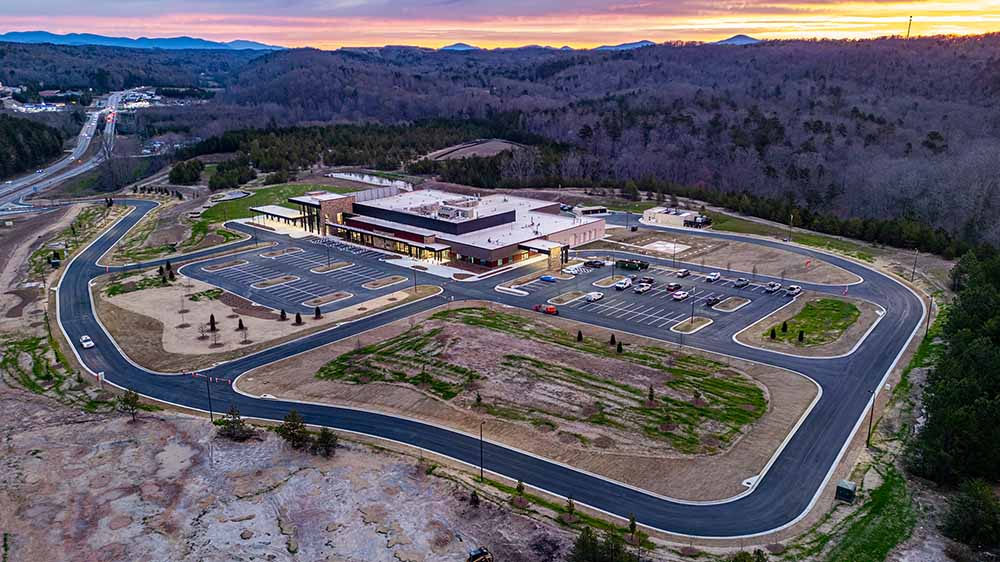
Micro-Hospitals Offer a Scalable Path for Rural Access
Learn how micro-hospitals differ from traditional facilities and why community education can shape adoption. See Northeast Georgia Health System’s approach; Lumpkin County micro-hospital.
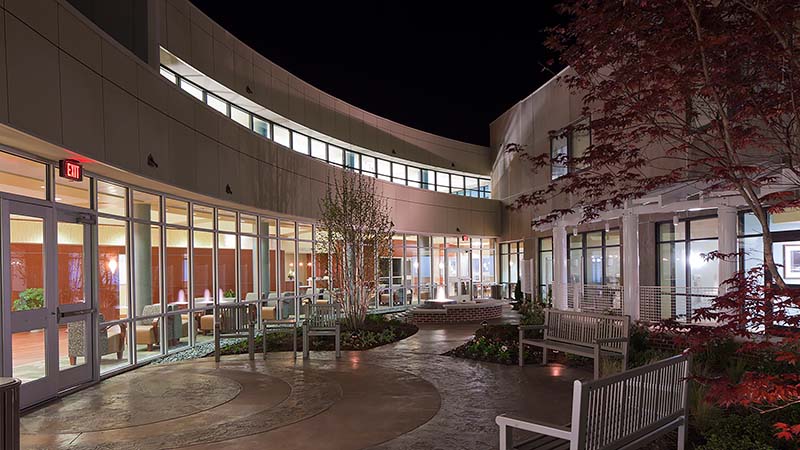
The Human Experience is Vital in Shaping Good Healthcare Design
Each facility is unique, but some factors related to patient, staff and family wellbeing consistently offer opportunities to optimize the healing environment.