
Needing more peanuts to make its famous Snickers bars, Mars Wrigley calls on Haskell for their plant expansion.
Responsible for producing 80% of Skittles and more than 65% of all Snickers desserts in North America, the Mars Wrigley, Waco, Texas Plant is critical to the candymaker’s network capacity. When the facility needed exterior improvements and an expansion to make room for a new peanut roasting facility, the family-owned business called on Haskell to deliver. Having already worked with them to find innovative design and construction solutions on the new chocolate plant facility in Hackettstown, NJ, the Haskell Candy & Confections Market Team was eager to engage in this new effort.
The facility was designed and built with safety, improved workflows and improved product quality in mind.
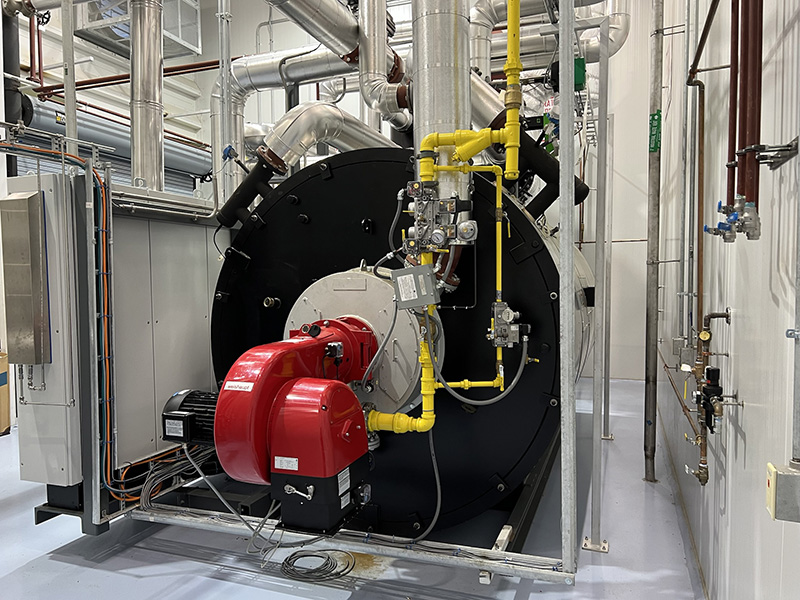
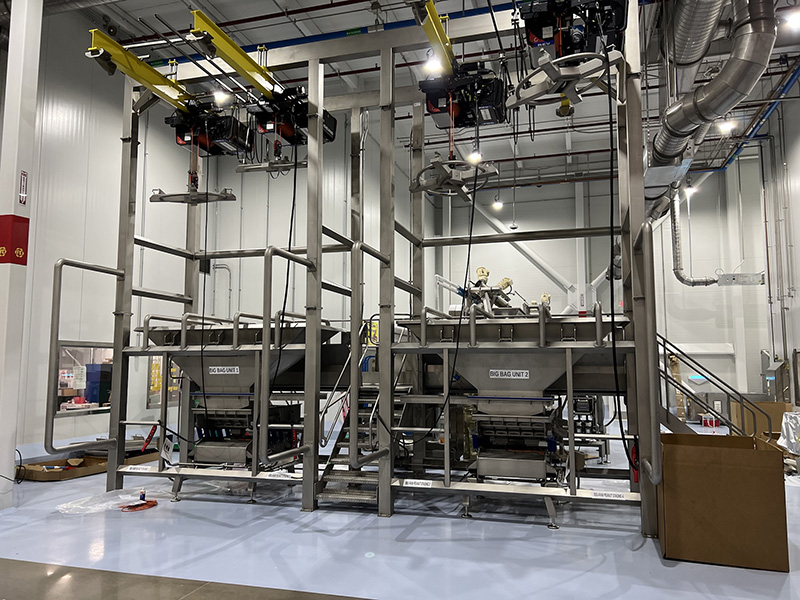
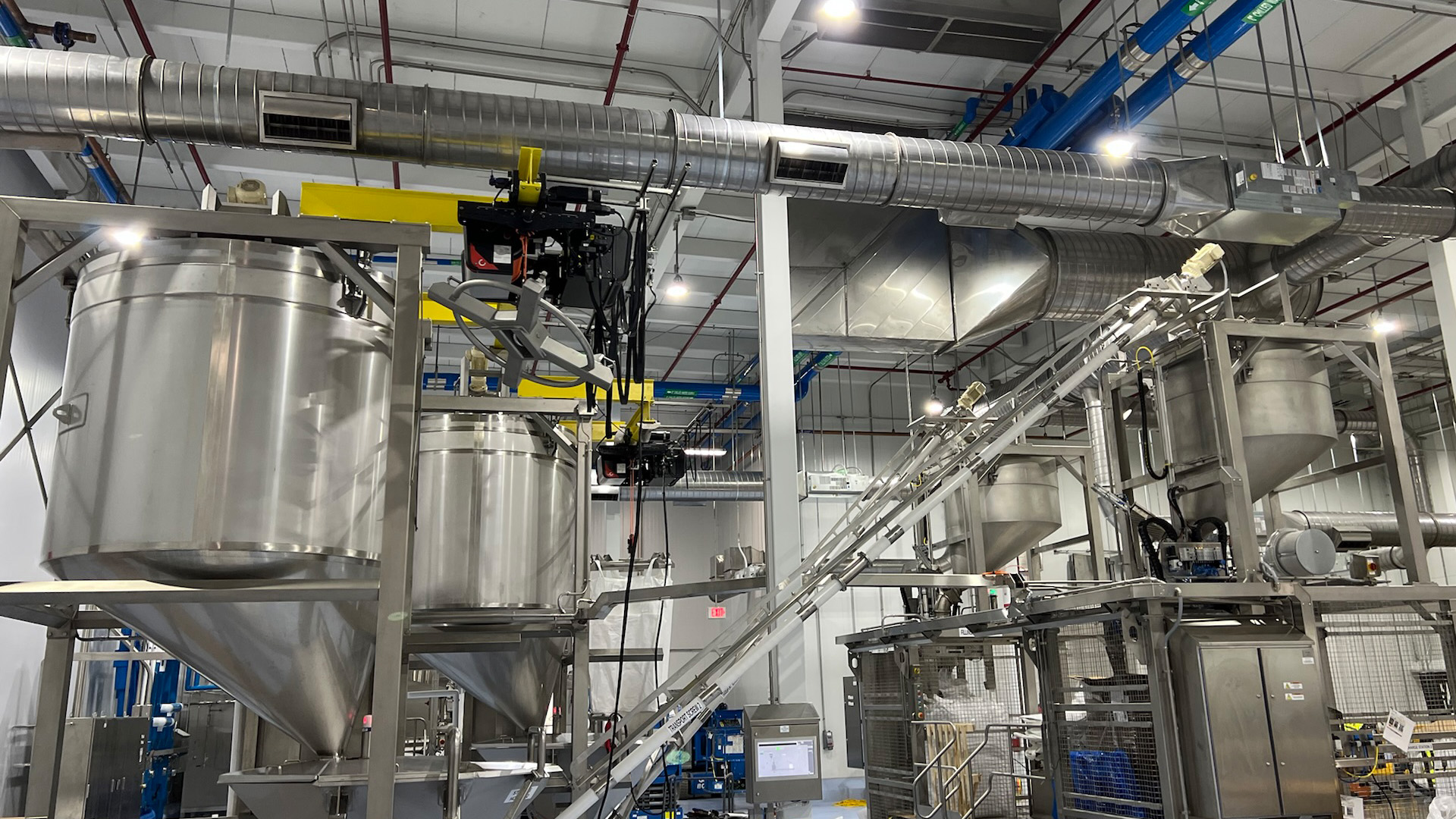
Prioritizing product stability and food safety, the peanut roasting facility was designed and built with drilled pier foundations supporting a steel-framed structure and clad with insulated metal panels. Six truck dock positions were included, three for inbound product and three for outgoing finished goods. The inside includes a raw goods receiving area with super sack bag dumpers and conveying equipment, a finite temperature and humidity-controlled peanut roasting area, and a finished goods area with product coolers, bagging equipment and shipping docks. The entire facility, including the employee entrance, welfare area, and working spaces, was designed and positioned to separate incoming raw goods and outbound finished goods. Raw peanuts can contain salmonella or other bacteria that require sanitary isolation, and these requirements dictated the design layout. The facility also includes employee welfare spaces, a quality testing office, and an oil heating room.
The facility was located along a major corridor for site utilities, including the fire water loop, domestic water, storm piping and natural gas mains, all of which had to be modified and relocated. A medium-voltage service had to be extended from an on-site utility yard to the new 15-kilovolt substation within the facility. Also, services for compressed air, chilled water, potable and process water and sanitary, storm, and industrial waste were studied, designed and built to meet the new facility needs. This yielded an intricate layout for industrial wastewater that had to be pumped using a specifically designed pump station that routes the effluent through a new main located within the existing plant.
The project also included process design for tanks, pumps, piping and controls to create a network that facilitates the movement of various ingredients to the process line. These included general-purpose fat, glucose and trace water systems.
Mars Wrigley is well-equipped to meet the increasingly high expectations of their customers.
To provide access to the main plant cafeteria and administrative offices, Haskell’s team placed a new walkway and canopy to shield employees from the elements as they moved from these areas to the tightly controlled peanut process area.
By employing longstanding expertise in the food industry, Haskell helped to expand production capabilities for this very important Mars asset which is critical for producing some of North America’s most beloved confectionary snacks.
Talk to a Subject Matter Expert
Project Highlights
23,000 SF facility expansion.
Includes raw goods receiving dock, roasting room, and finished goods shipping dock.
Interior and exterior improvements made to the facility.
Covered Pedestrian walkways added to improve foot traffic and access to cafeteria and administration offices.

Related Projects
Augusta, Georgia
Southeastern Confectionery Client Cookie Line Expansion
Atlanta, Georgia
SweetWater Brewery Expansion
Hopkinsville, Kentucky
Confidential Tobacco Client Manufacturing Facility
Related News & Insights
What Manufacturers Should Know About High-Temperature Heat Pumps
Discover how industrial manufacturers evaluate high-temperature heat pumps as part of an integrated thermal strategy. Learn what early design decisions shape performance and economics.
How Pure Cane Sugar Can Reshape American Beverage Operations
Explore the supply chain, infrastructure and production considerations beverage manufacturers face when introducing pure cane sugar.
An Adventure in Nantucket, Restoring Distillery Automation
Learn how Haskell Subject Matter Expert Alan Green brought custom solutions to Triple Eight Distillery to upgrade an overmodified system.
Natural Colors and Flavors: The New Standard in Pet Food
Learn how the industry is moving quickly to replace artificial ingredients and what manufacturers must do to maintain quality, compliance and throughput.