

Renovation improves existing operations.
Incorporating modularity prepares for future modalities.
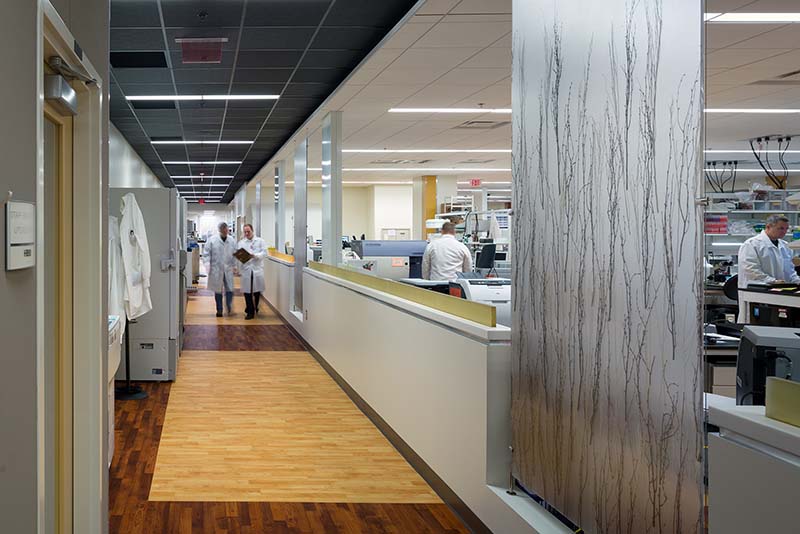
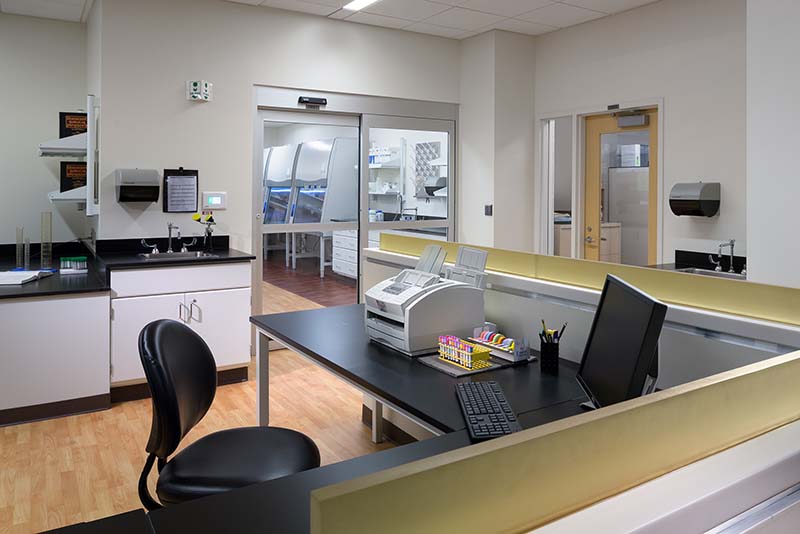
Coordinating a three-fold purpose for Emory University Hospital, the laboratory renovation decompresses compacted operational work flows for identified portions of the multi-compartment academic and clinical laboratories, vacates prime in-house square footage needed for the adjacent ED expansion, and positions the space for potential future reorganization through use of modular bench system furniture and strategic placement of engineered connections.
The design provides an open laboratory concept utilizing modular benches to maximize flexibility. Operational space needs tend to expand/contract over time due to evolving procedures and/or equipment. Functions from any one grouping need flexibility to ebb/flow to another. Additionally, the modular benches and open floor plan permit greater flexibility to incorporate new equipment and changing technologies. Further, the utilization of modular benches and plug/play connectivity of engineered services positions the facility for potential and more invasive reorganization.
To ensure the entire laboratory remained completely operational throughout construction, Haskell worked extensively with the hospital directors, laboratory pathologist, clinicians, technicians, and the selected contractor to plan for and maintain laboratory operations. Many sub-phases were required to achieve global two-phase construction.
Related Topics
Talk to a Subject Matter Expert
Project Highlights
19,450 sf


Related Projects
Atlanta, Georgia
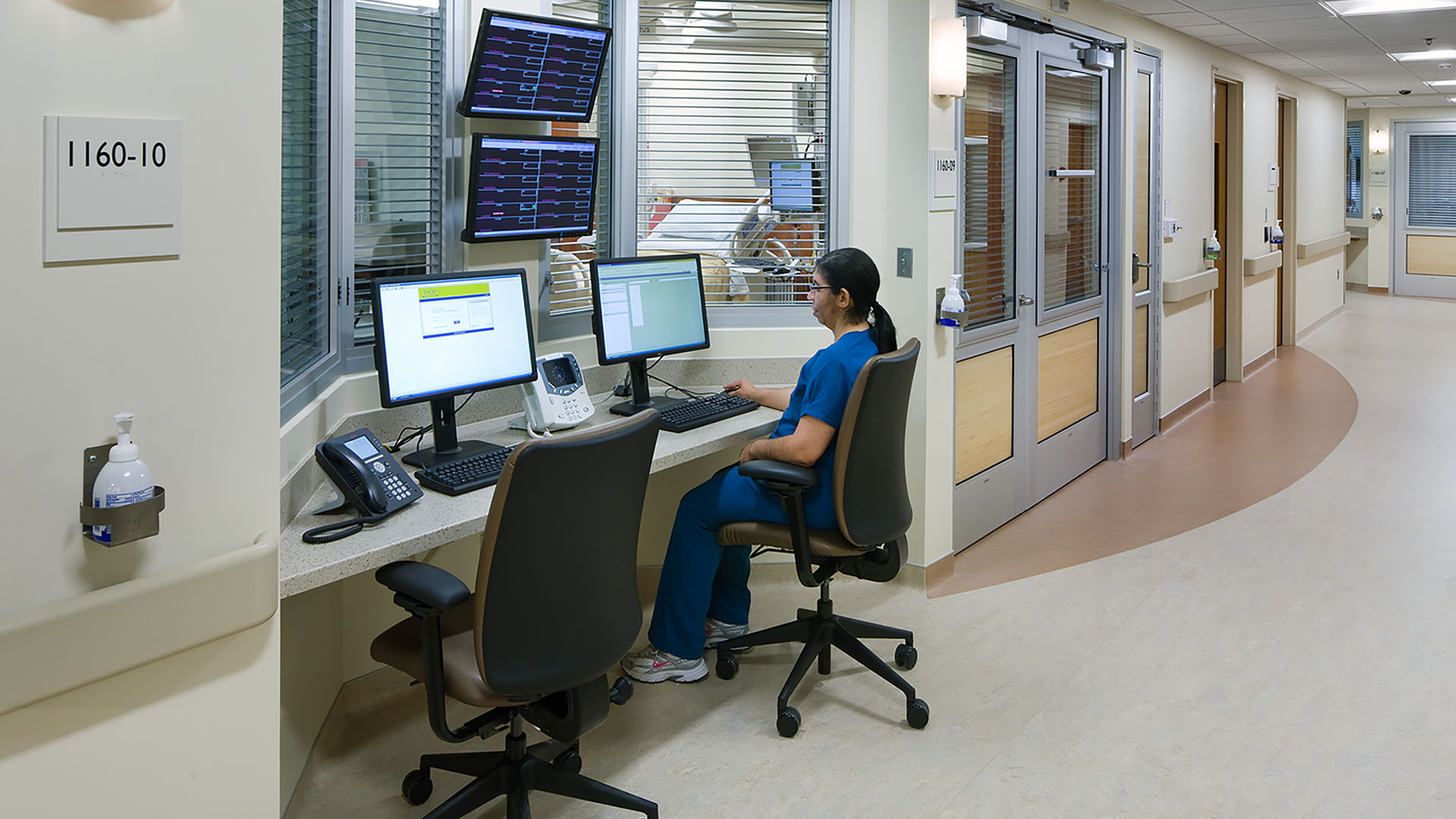
Emory University Hospital Midtown Intensive Care Unit
Hot Springs, Arkansas
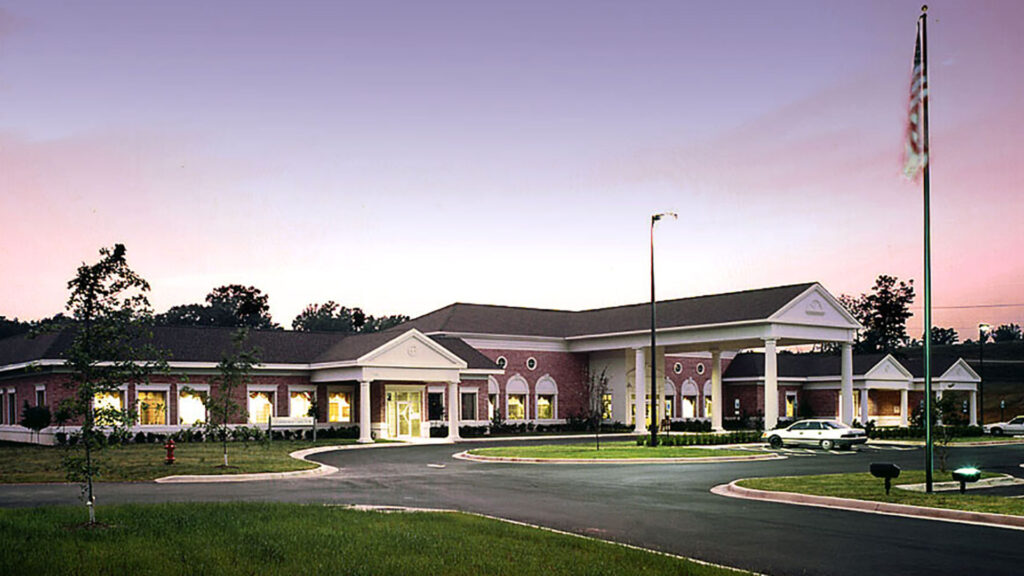
Healthpark Hospital
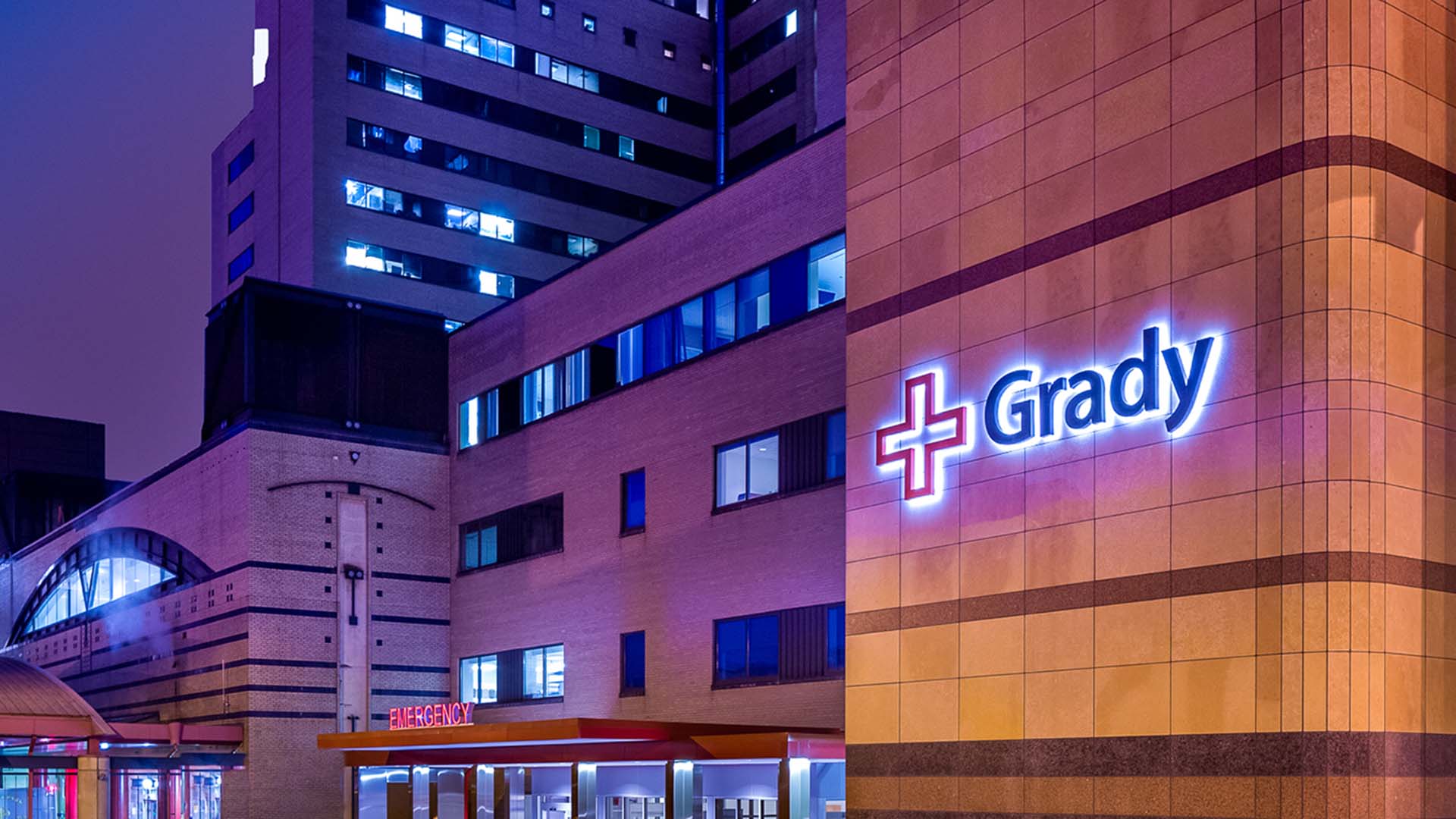
Atlanta, Georgia
Grady Health Emergency Department
Related News & Insights
Healthcare Designer Helps Launch Jacksonville’s The SPOT
Explore Kristen Argalass's work making The SPOT an accessible place for connection and mental health support through a community-based model.
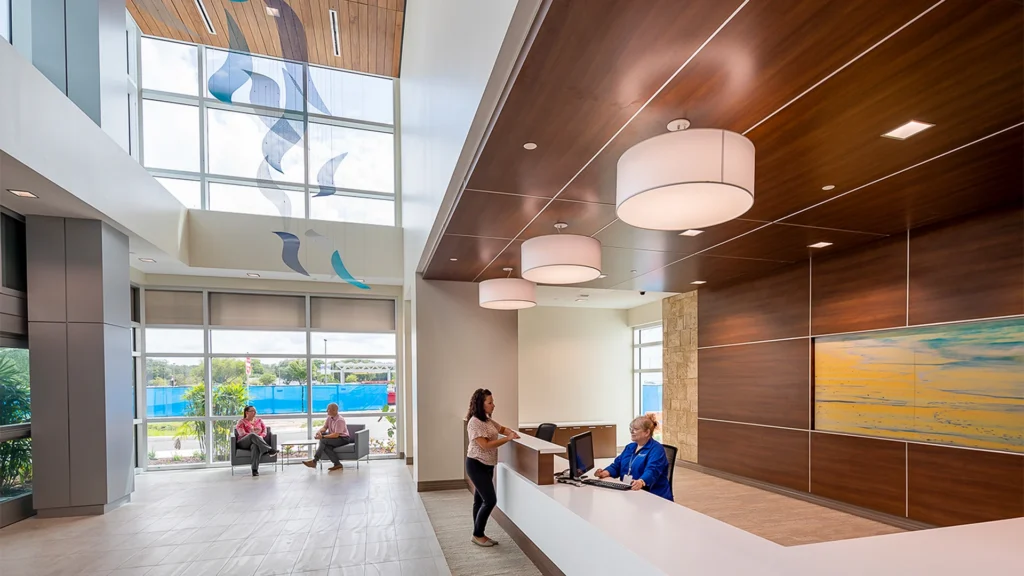
Healthcare Security Works Best When Planned from the Start
From egress planning to AI surveillance, learn how proactive healthcare security design improves safety without compromising patient experience.

Micro-Hospitals Offer a Scalable Path for Rural Access
Learn how micro-hospitals differ from traditional facilities and why community education can shape adoption. See Northeast Georgia Health System’s approach; Lumpkin County micro-hospital.
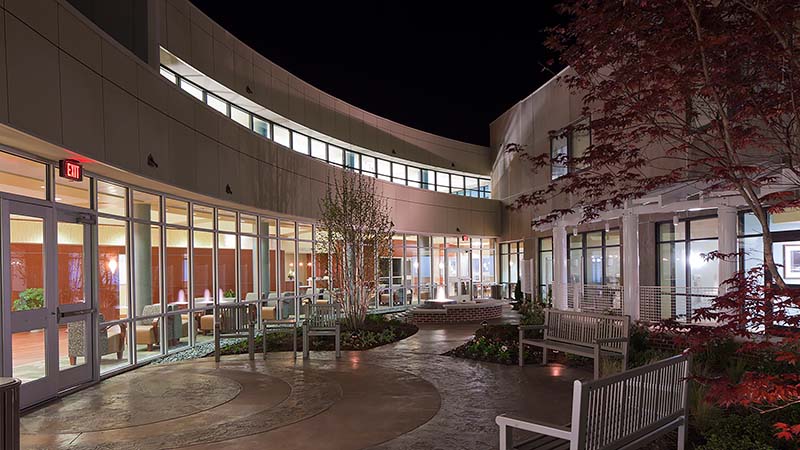
The Human Experience is Vital in Shaping Good Healthcare Design
Each facility is unique, but some factors related to patient, staff and family wellbeing consistently offer opportunities to optimize the healing environment.