

By integrating lessons learned, Haskell built a second modular temple with significantly improved efficiency.
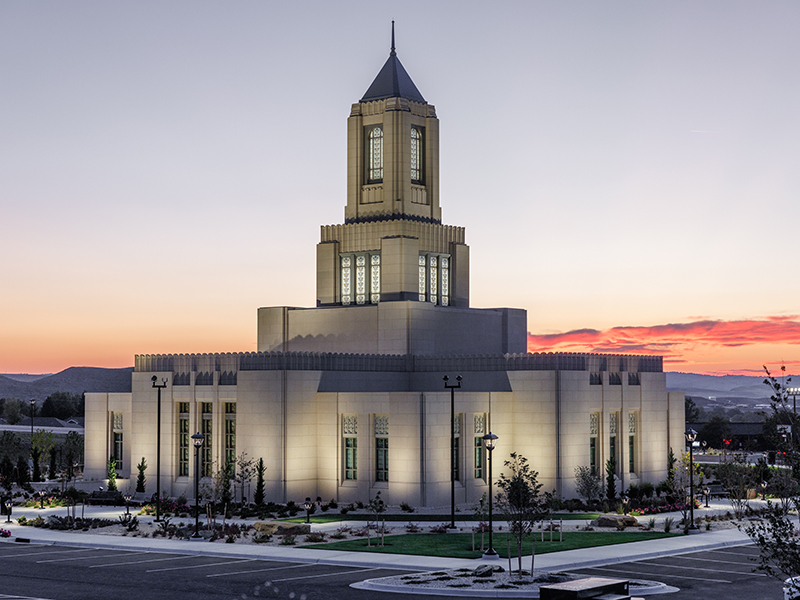
A second volumetric modular construction project for one of our long-standing clients totals 10,000 square feet (SF) and comprises 25 modules ranging in size from 360 SF to 525 SF and a 96-foot-by-10-foot spire. Integrating lessons learned from the Helena, Montana, temple, Haskell delivered this project 12 months faster than a similar project utilizing traditional construction methods. Leveraging building information modeling (BIM) technology with preconstruction and construction services was critical to project planning, preparation, delivery, safety and meeting the client’s rigorous quality expectations.
Clarity, communication and collaboration again prove a winning combination.
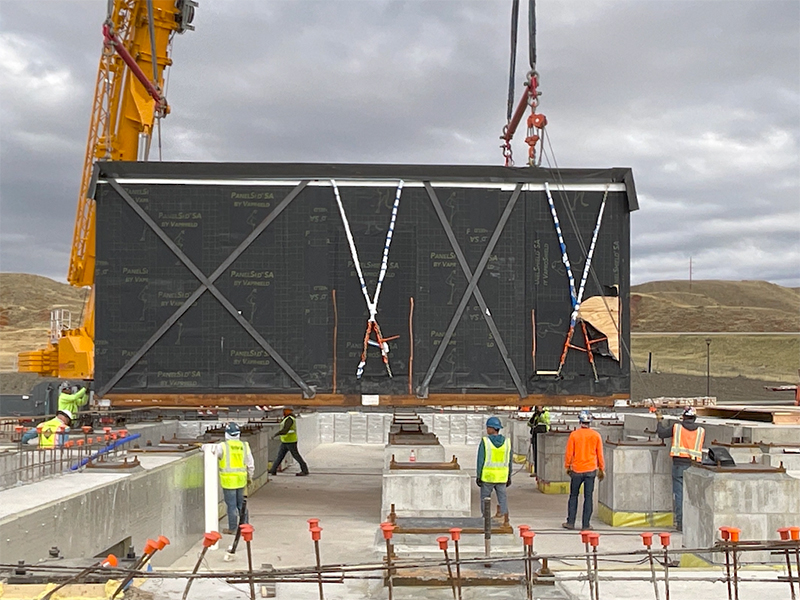
- Individual modules were fabricated in Alabama to 30% (the “chassis build”); mechanical, electrical, plumbing and fire protection systems were installed, as were the ceiling grid and drywall, up to a Level 3 finish.
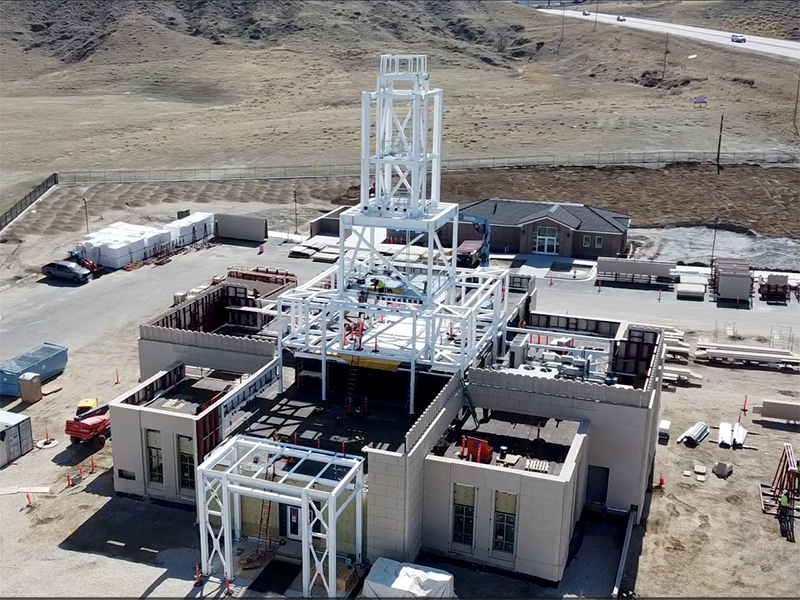
- A field set of drawings provided step-by-step instructions for “setting” the modules on the foundation; after the set, the envelope was “stitched” together, and a center spire steel structure was erected over and around the modules.
- Steel-framed modules combine with a steel superstructure for the upper parapet walls and tower to support the glass fiber reinforced concrete (GFRC) façade set on a secondary concrete stem wall and tied to the top of the modules.
- BIM LOD 400 experience was integral to module fabrication and installation.
- Landscape designers used large boulders, stones, native plants and grasses, multi-trunk trees and evergreens to reflect the local rocky prairie and the importance of water conservation.
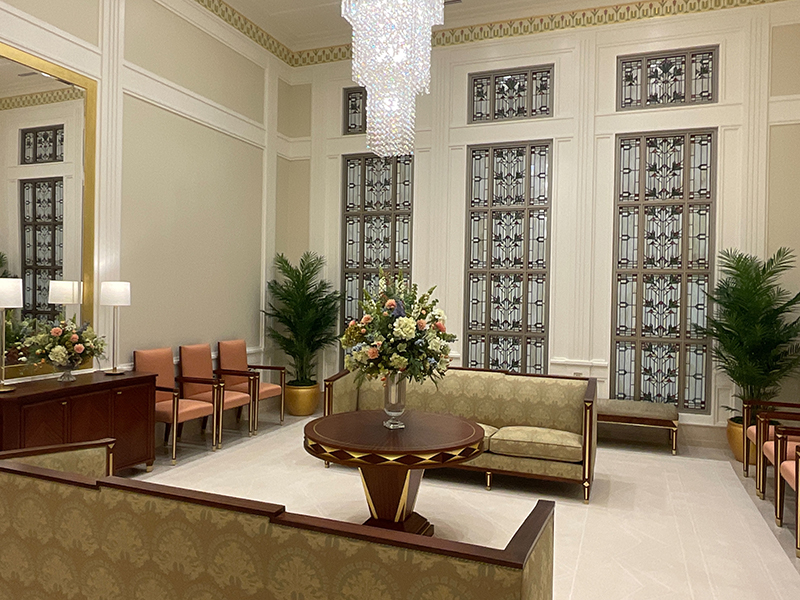
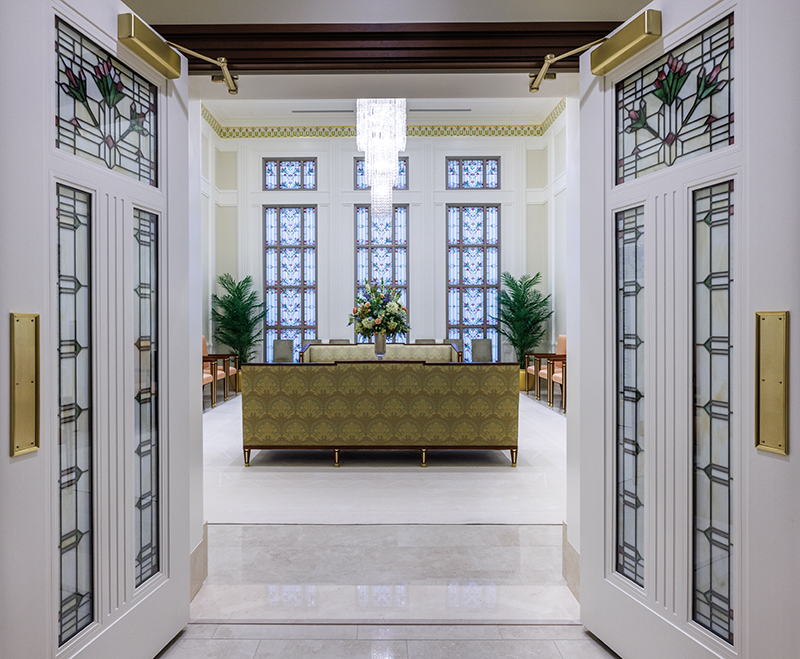
- Design elements reflecting Casper’s history and culture and fabricated and installed by local and U.S craftsmen include the Timeless Marfil porcelain stone used throughout the temple and Coast Green granite accents in the baptistry. Native wildflower Indian Paintbrush and geometric Native American patterns are featured in the temple’s art glass design and decorative paintings seen in the entry, baptismal, confirmation room, instruction rooms and celestial room. Poplar and Sapele, an African hardwood, were utilized for the temple millwork and doors.
- Subject matter experts from Utah, Georgia, Alabama, Wyoming, Montana, Oklahoma, Pennsylvania and the Czech Republic were consulted to achieve the client’s strict quality criteria for high-end trades such as millwork, stone, finishes, art glass, cupola, decorative lights, decorative paint and decorative metals.
Continuous improvement will allow rapid expansion in the near future.
Haskell drew upon its extensive experience with design-build delivery to provide the client with cradle-to-grave service. Haskell’s work to refine its means, methods, processes and procedures resulted in cost and schedule gains for the client. Our commitment to improvement in design and procurement, manufacturing, installation and turnover will enable our client to execute its plans to add 10-20 temples and 10-plus ancillary buildings annually over the next few years.
Related Topics
Talk to a Subject Matter Expert
Project Highlights
Second DMI (Design, Manufacture and Install) project for our client
Significant use of SMEs (subject matter experts) for high-end trades
BIM LOD 400 expertise
Steel frame modules can withstand wind speeds up to 189 mph and meet the highest SDS/seismic ratings
Related Projects
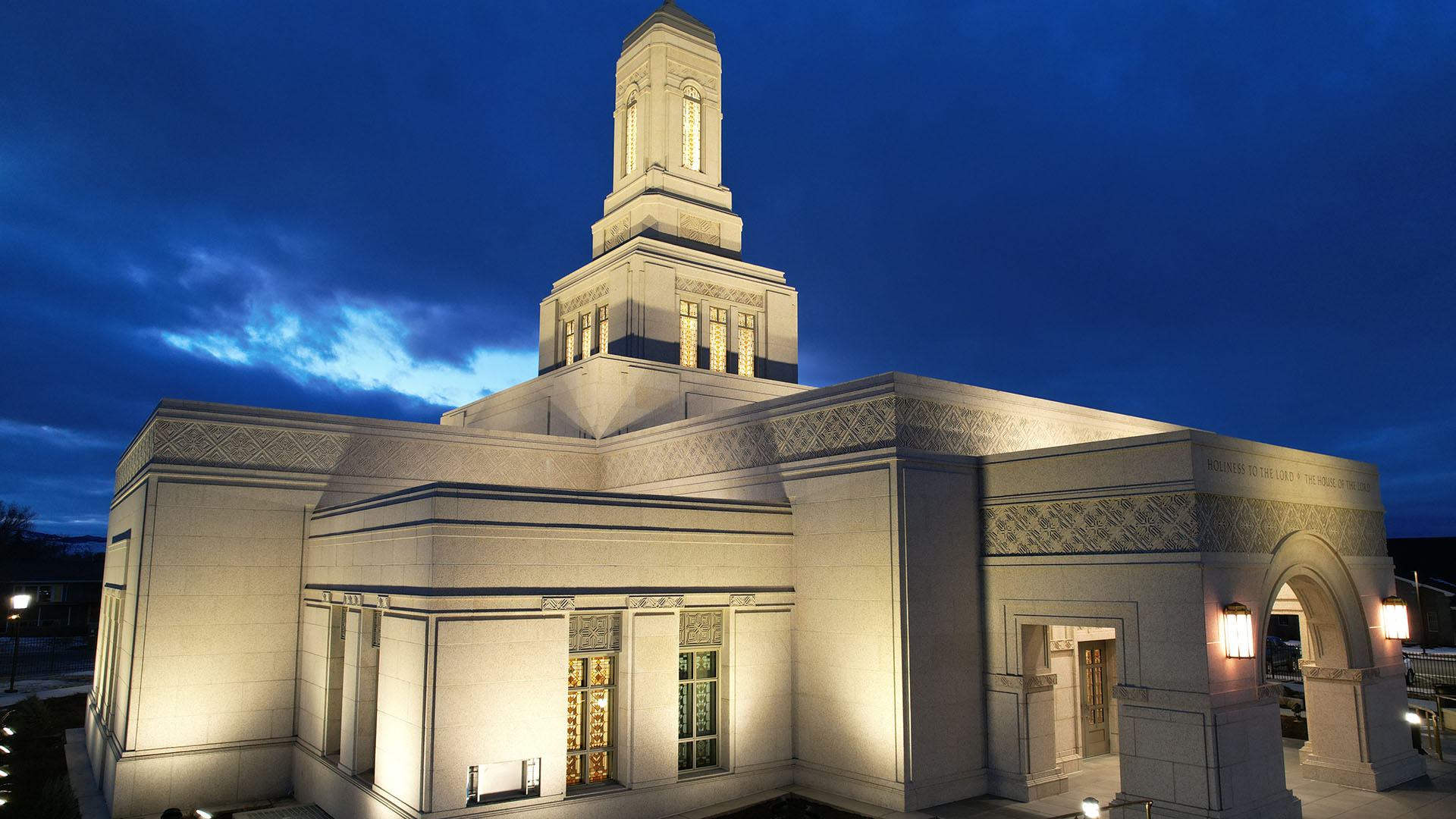
Helena, Montana
Helena Temple
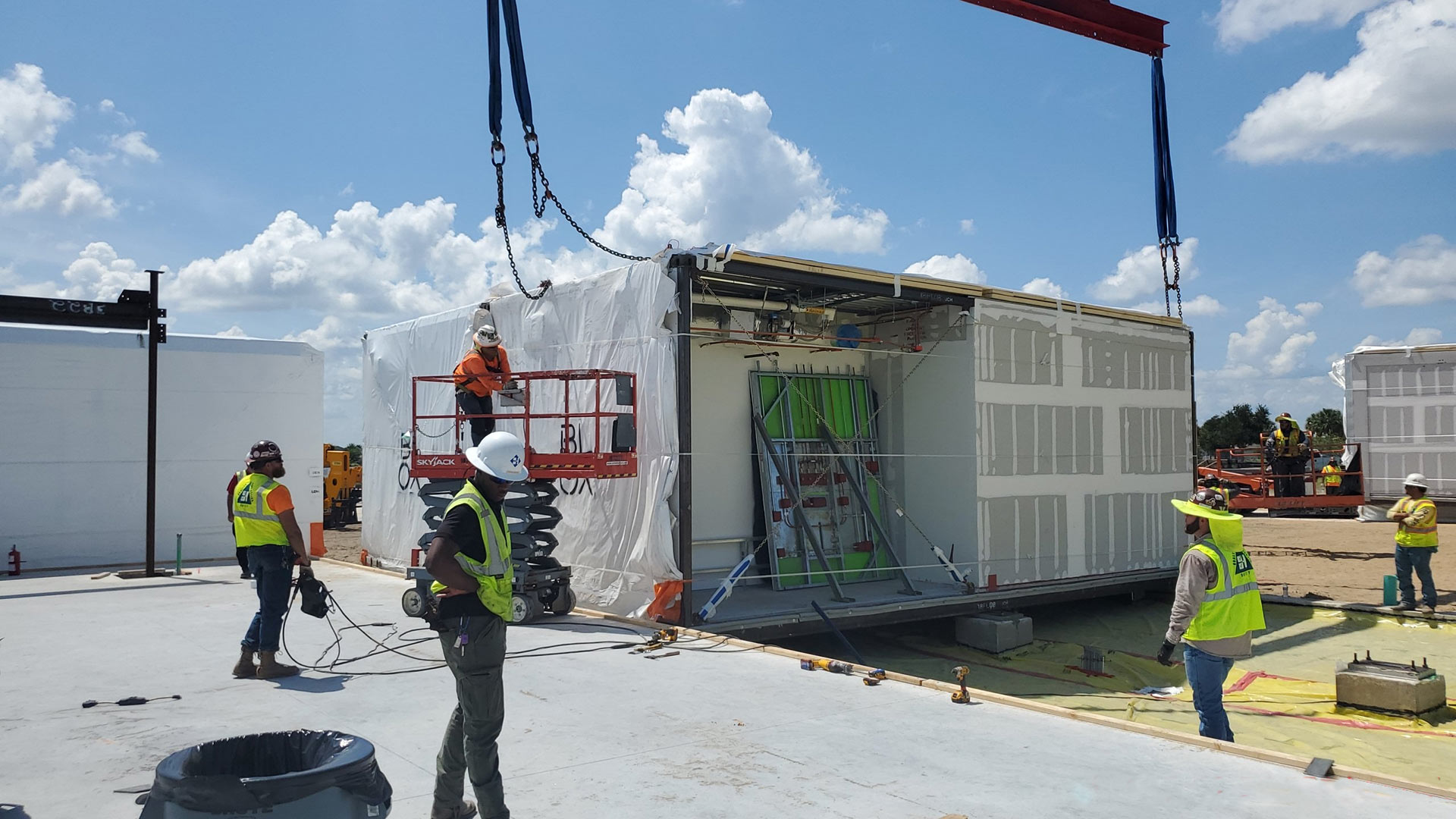
Ocala, Florida
Trailwinds Village Freestanding Emergency Room
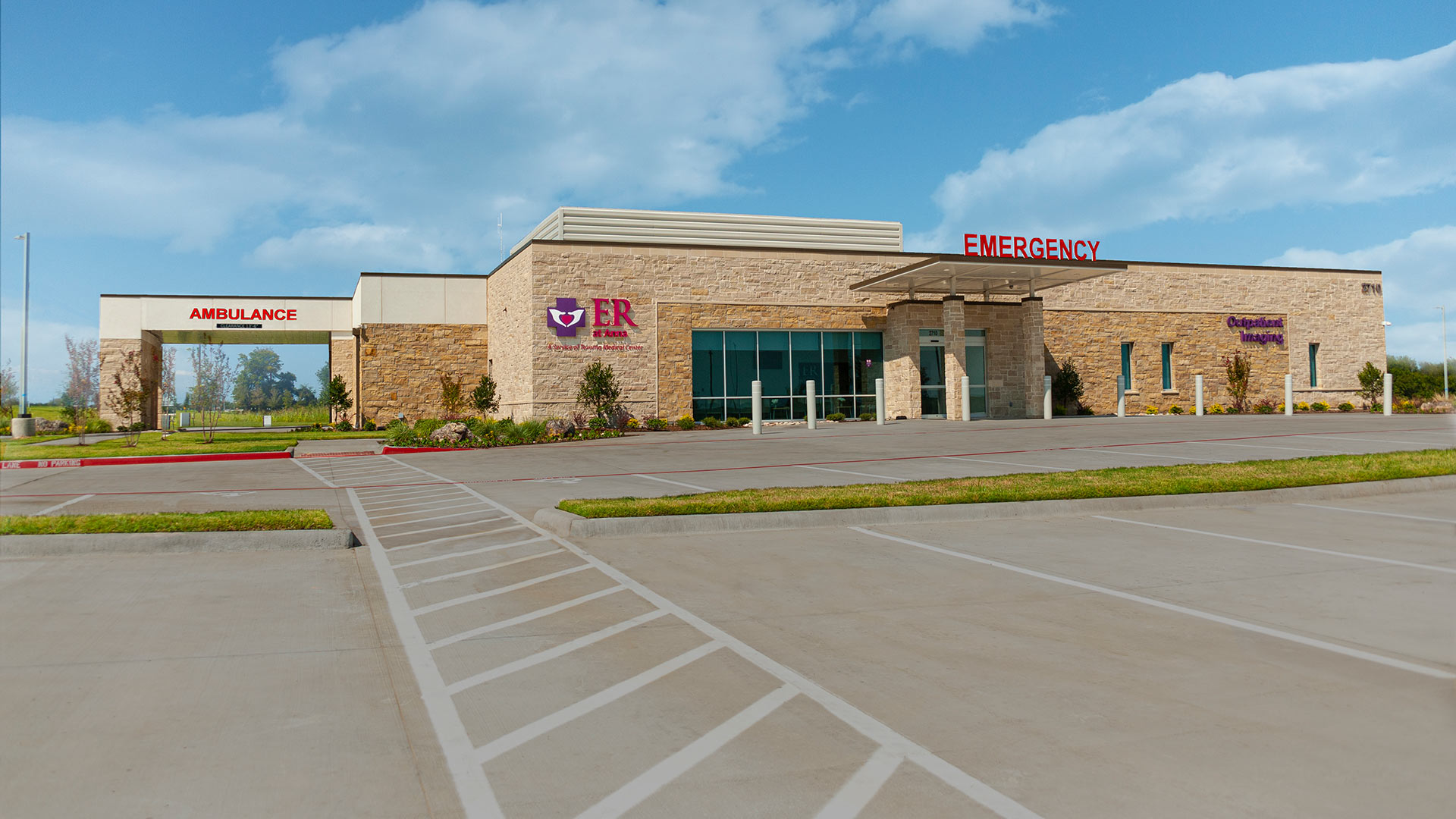
Florida, Nevada, North Carolina and Texas
UHS Freestanding Emergency Room Program
Related News & Insights
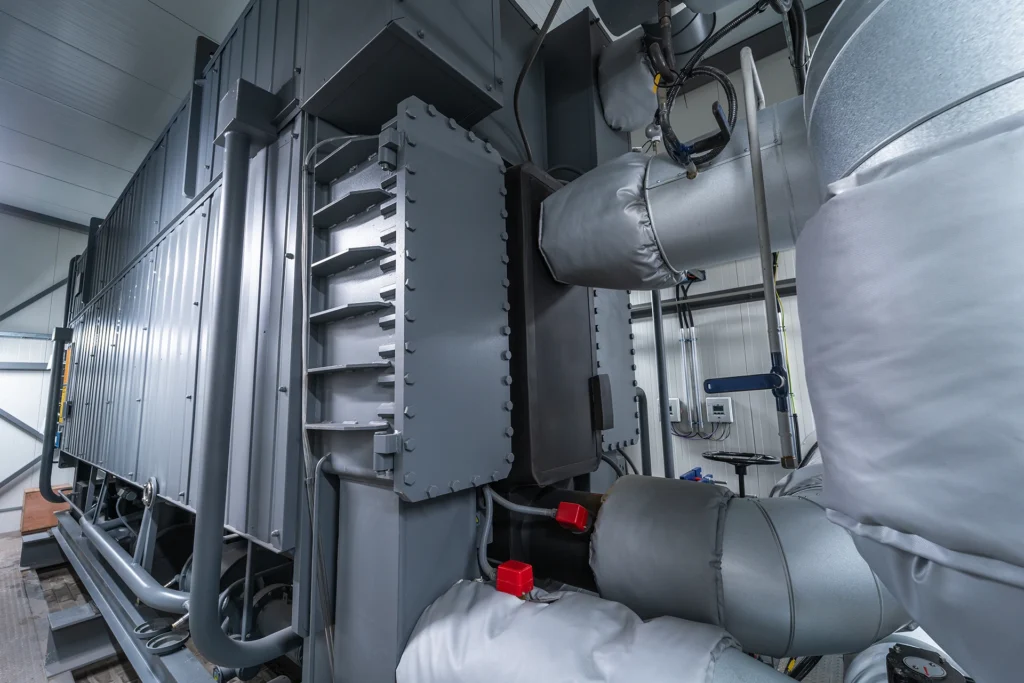
What Manufacturers Should Know About High-Temperature Heat Pumps
Discover how industrial manufacturers evaluate high-temperature heat pumps as part of an integrated thermal strategy. Learn what early design decisions shape performance and economics.

TechWeek Message: Early Integration is Key to Outcomes and Quality
Explore how data centers and modular projects each demand the same discipline: resolve critical details early and carry quality through every phase.
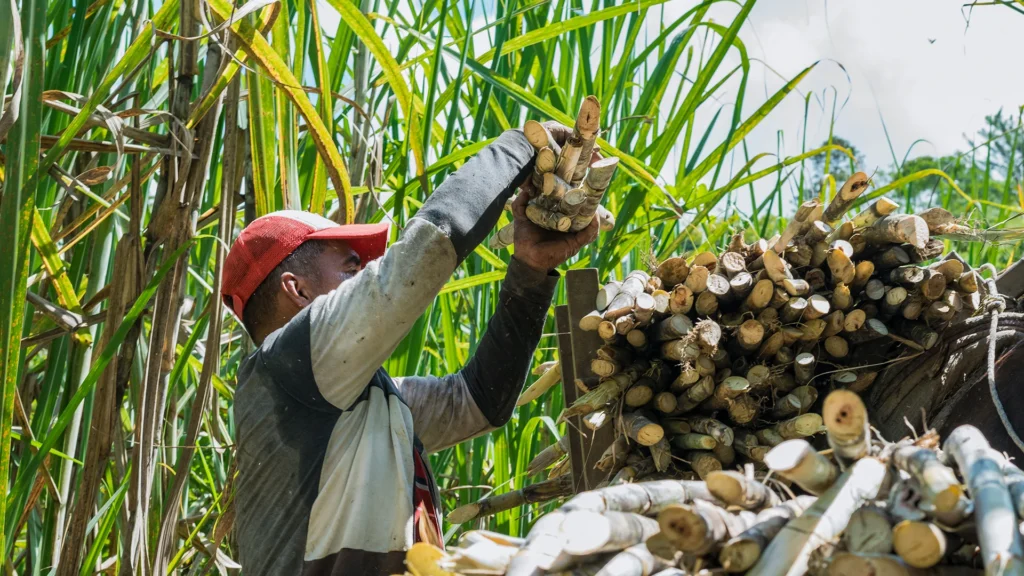
How Pure Cane Sugar Can Reshape American Beverage Operations
Explore the supply chain, infrastructure and production considerations beverage manufacturers face when introducing pure cane sugar.
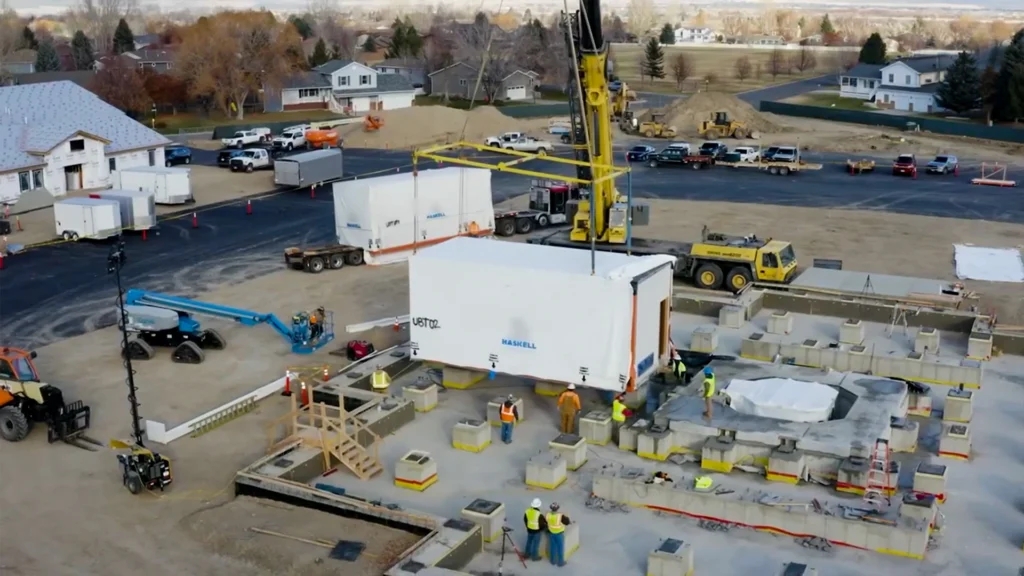
How Programmatic Construction Compounds Improvements, Savings
Standardization creates consistency, but repeated collaboration unlocks greater value. Learn how program optimization differs from project optimization.