

Haskell brought this award-winning worship facility closer to church members.
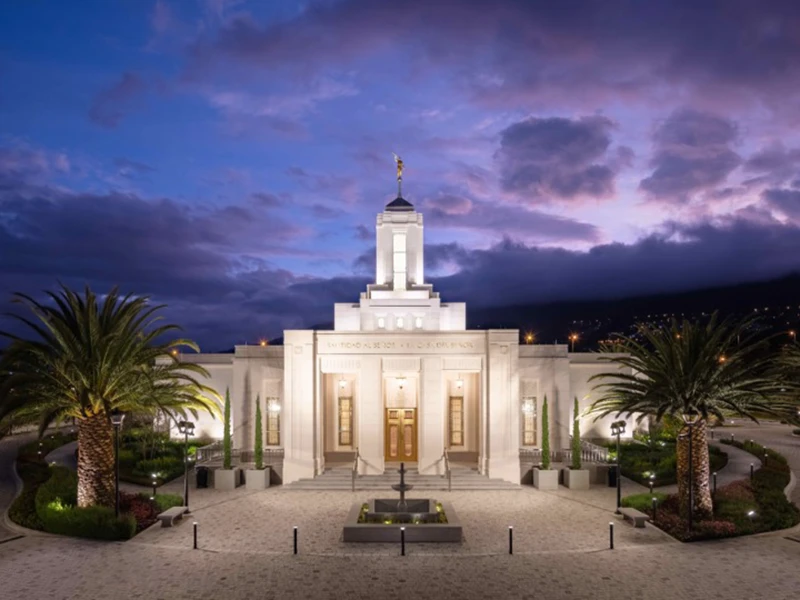
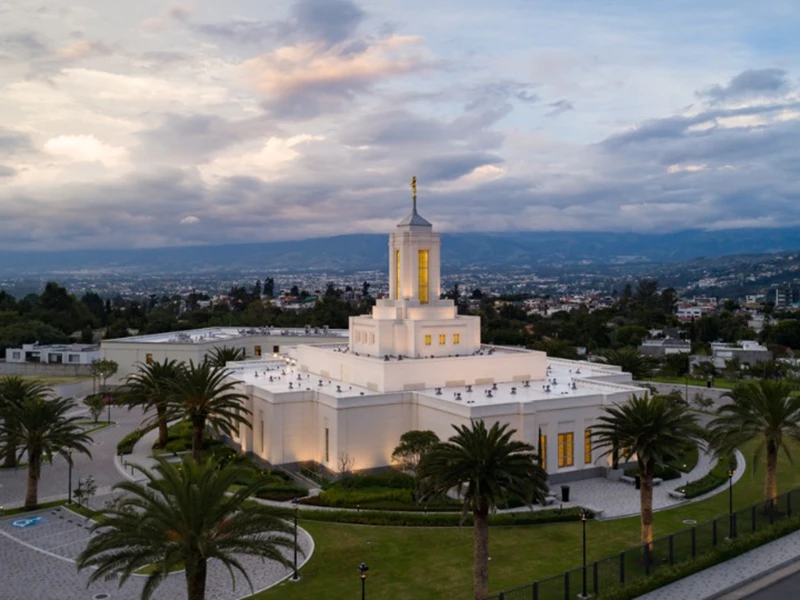
With many worshipers traveling up to 13 hours to Ecuador’s first temple in Guayaquil, a second temple was announced for Quito in 2016. This 37,000-square-foot place of worship sits on a 3.96-acre site approximately 9,300 feet above sea level alongside a 23,500 SF housing facility, a 3,800 SF mechanical building and a 161 SF guardhouse. Drawing on our extensive design-build experience, Haskell worked with a local design firm familiar with city standards, municipal requirements, construction methods and materials to deliver a significant landmark in Quito’s historic downtown that blends with the capital city’s rich history.
Safety, aesthetics, accessibility and sustainability drove the temple design.
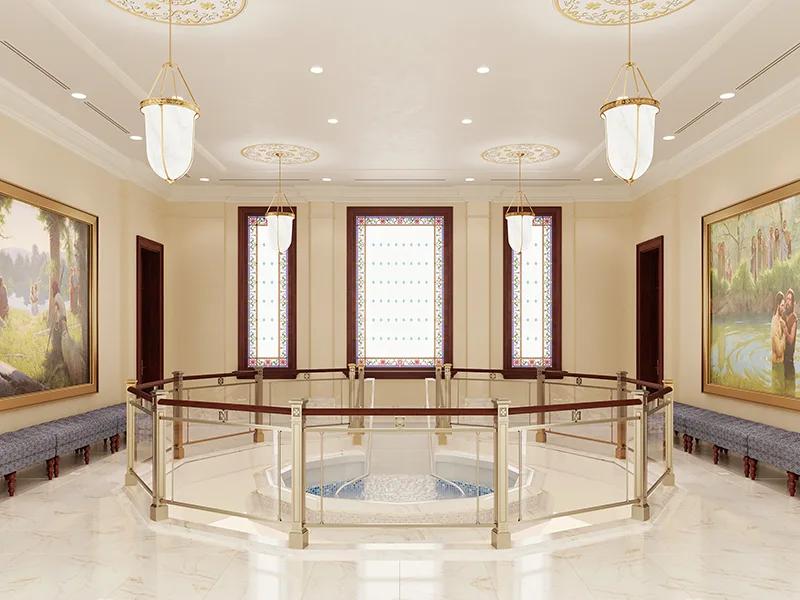
The temple was designed for more than 50 years of useful life, balancing beauty, durability and inclusivity. Delivered $1.3 million under budget and four months ahead of schedule, the project leveraged innovative approaches to ensure efficiency and quality. During the COVID-19 pandemic, augmented reality applications enabled virtual walkthroughs to track construction progress and maintain rigorous quality assurance standards. Accessibility was a guiding principle, addressing a common gap in Ecuador, where many public spaces remain inaccessible to people with disabilities. Features such as podotactile sidewalk pavers and non-slip porcelain tiles at the baptismal font provide all visitors safety and ease of movement.
Sustainability and long-term performance were integral to the design. Mechanical, electrical and plumbing systems were planned with maintenance in mind, while the roof incorporated a thermoplastic polyolefin (TPO) membrane that was the first of its kind in the region. This high-tensile-strength, weather-resistant material includes high-density insulation boards with exceptional thermal conductivity, preventing cracks from forming during temperature fluctuations. Lifecycle cost reduction measures include a watertight building envelope, stone façade, LED lighting, sensor faucets, roof overflow drains and a recirculation pump. On-site water treatment provides potable water for the buildings, while untreated water supports landscape irrigation. Additional sustainability features include a silencer in the generator room to minimize noise and a natural embankment reinforced with geotextile and native vegetation to stabilize the land and prevent landslides.
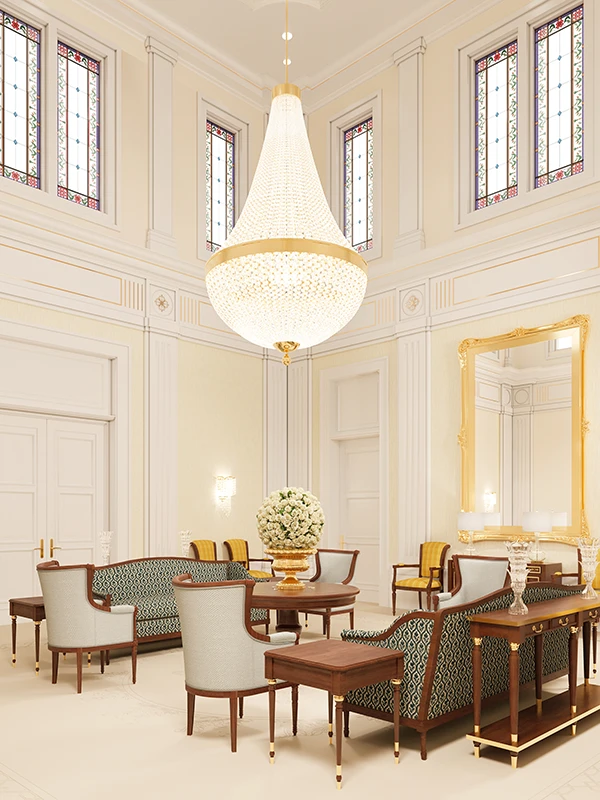
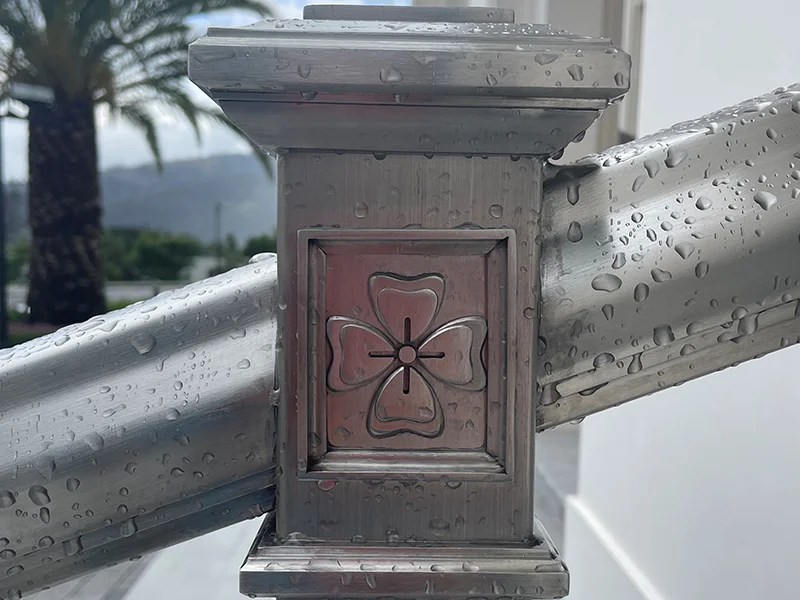
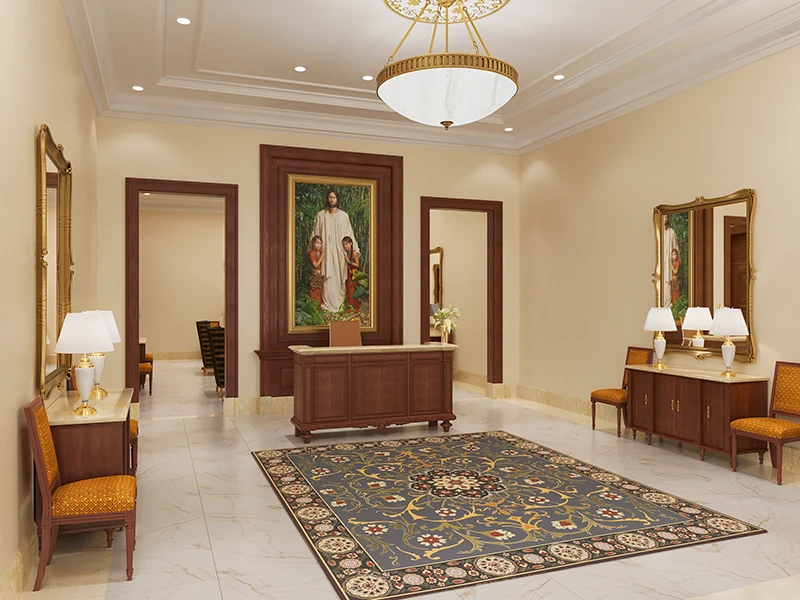
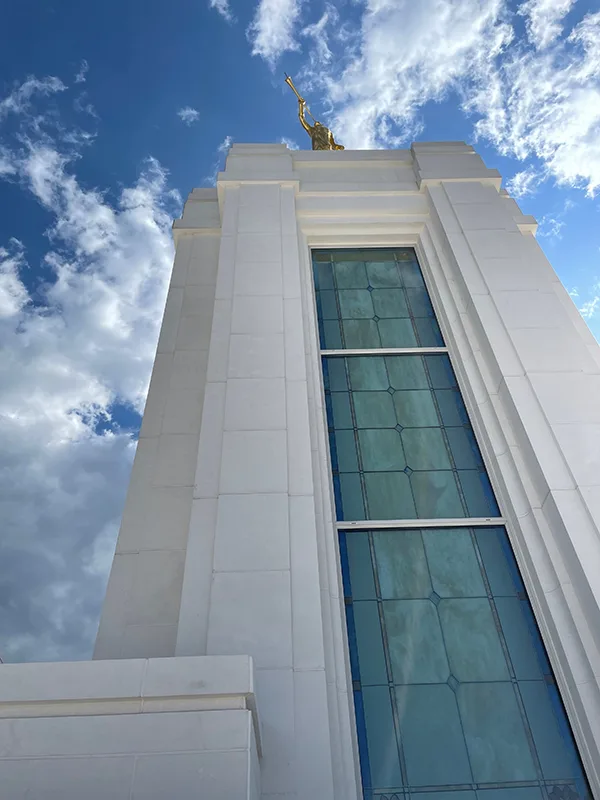
The temple’s exterior blends local craftsmanship with enduring materials. Cast-in-place concrete walls and floors are paired with Turkish limestone cladding and decorative carved stone panels above the windows. Volcanic andesite stone at the base conveys solidity, while locally sourced stained glass incorporates abstract floral patterns and colors native to Ecuador. The central fountain, also crafted by local artisans, is covered in natural andesite stone etched with Ecuadorian floral motifs. Even in the interior design, local heritage is honored, with the geranium—a favorite flower in Ecuador—appearing in decorative details throughout.
Haskell delivered an award-winning worship facility for the people of Quito.
Haskell’s deep roots in design-build delivery and our unwavering commitment to the Church’s vision combined to deliver this unique temple complex to its members in and around Ecuador’s capital city. With our effective project management processes and construction means and methods, we designed and delivered this project to the Church four months early at a cost savings of over $1 million. The project received the Design-Build Institute of America’s (DBIA) Merit Award in the Civic/Assembly category for its design and construction.
Sustainability by Design
- The temple’s roof incorporated a thermoplastic polyolefin (TPO) membrane that was the first of its kind in the region. This high-tensile-strength, weather-resistant material includes high-density insulation boards with exceptional thermal conductivity, preventing cracks from forming during temperature fluctuations.
- Lifecycle cost reduction measures include a watertight building envelope, stone façade, LED lighting, sensor faucets, roof overflow drains and a recirculation pump.
- On-site water treatment provides potable water for the buildings, while untreated water supports landscape irrigation.
- A silencer in the generator room minimizes noise.
- A natural embankment reinforced with geotextile and native vegetation stabilizes the land and prevents landslides.
Related Topics
Talk to a Subject Matter Expert
Project Highlights
Traditional construction
Design-build delivery
Subject matter experts for high-end trades
Temple, housing and site work
Related Projects
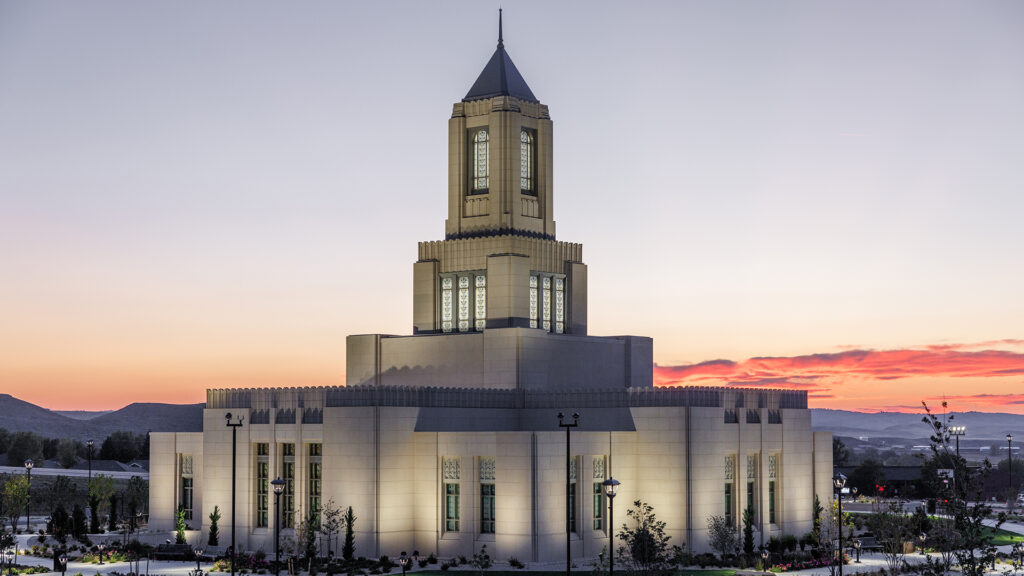
Casper, Wyoming
Casper Temple
Helena, Montana
Helena Temple
Barranquilla, Colombia
Barranquilla Temple
Related News & Insights

BIM Leader Leo Dino Buera Honored with Living the Values Award
Explore how Buera has helped build Haskell Philippines, playing a collaborative role and successfully coordinating global BIM integration initiatives.

AnnMarie Jackson Earns Living the Values with Energy, Collaboration
Learn how Jackson’s collaborative approach to interior design improves functionality, supports users and strengthens project teams.
Integrated Expertise That Drives Results in Beer, Wine and Spirits
Learn how, with all disciplines under one roof, Haskell delivers highly complex, sustainable, turnkey beverage facilities with speed and certainty.
Haskell to Push Modular Energy Integration in Wells Fargo Incubator
Learn how Haskell and seven other cohort members will leverage expert support to advance adoption strategies for cutting-edge energy solutions.