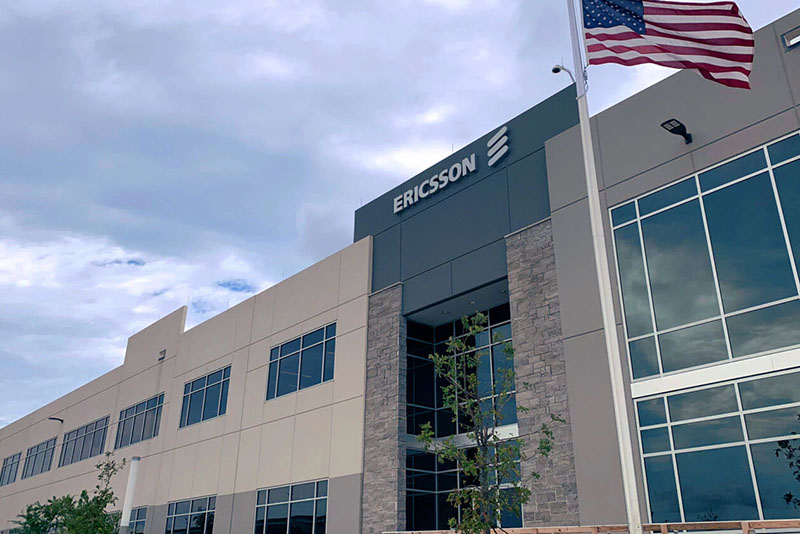
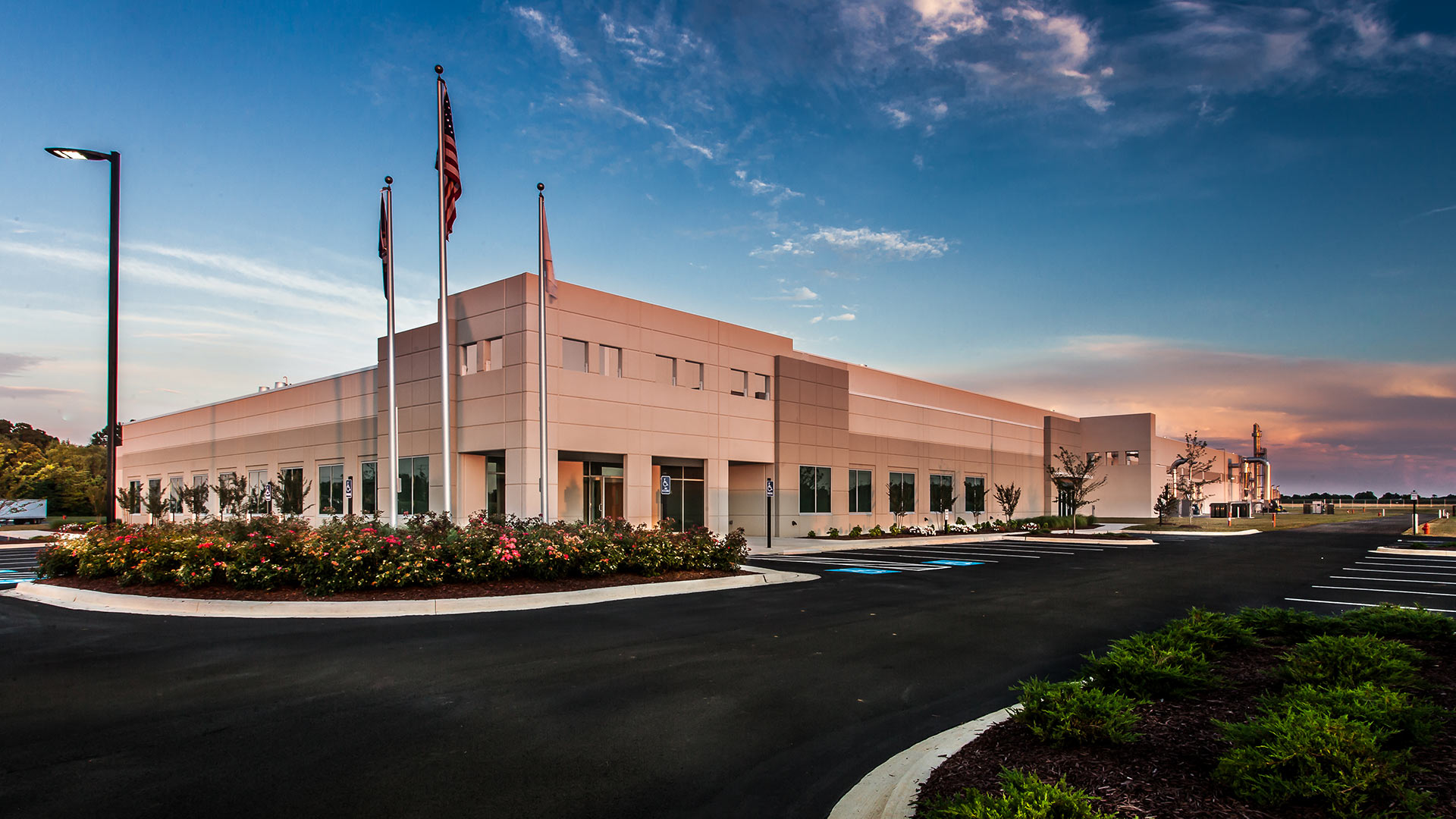
This factory of the future exudes sustainability and earned LEED Gold.
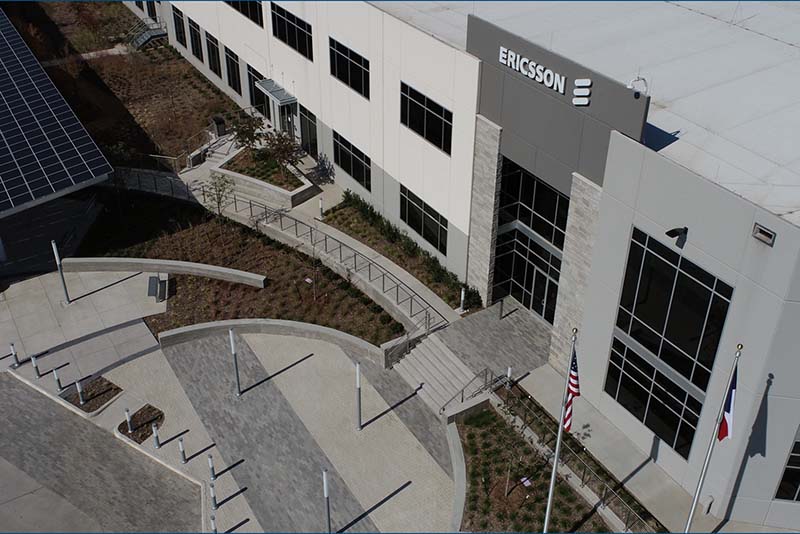
When constructing a factory, manufacturers primarily focus on three main objectives to produce their goods: efficiency, reliability and quality. Telecommunications giant Ericsson took that ideology further to construct a smart factory – a factory of the future. The project converted a 306,000-square-foot spec warehouse into a high-end manufacturing space. While operations remained the focus, the client placed a high priority on sustainability. Demolition materials were 95% reclaimed for recycling, new materials were domestically sourced and energy-efficient equipment selections resulted in 24% more efficient building operations. With rooftop rainwater harvesting, the facility lowered indoor water use by 75%.
The entire project focused on cutting-edge technology and modernization.
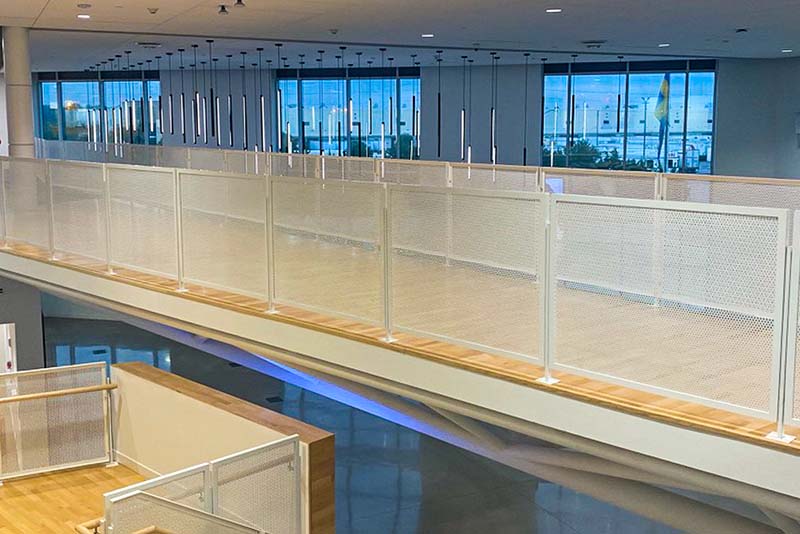
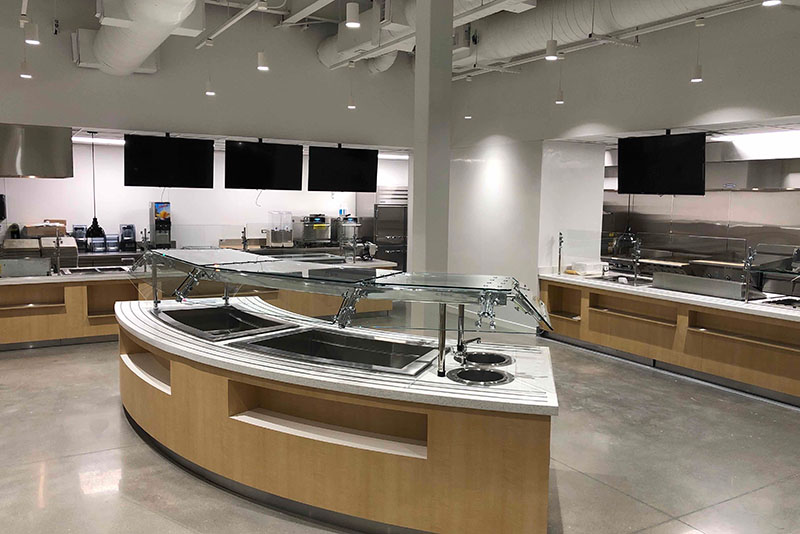
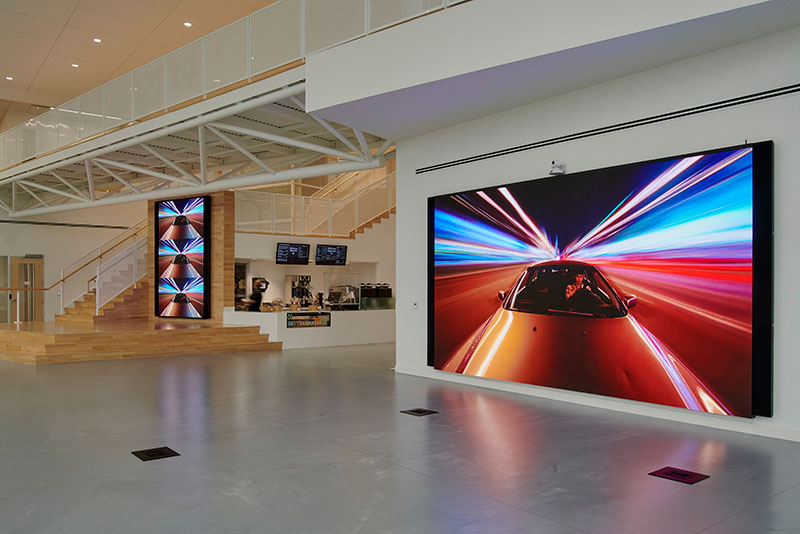
Inside, Ericsson wanted the opportunity to showcase its process to potential clients. The front office was developed with prominent observation areas, a grand entrance with a sky bridge between wings and a state-of-the-art commercial kitchen. Structural engineering achievements included innovative systems to support new utilities and mezzanine offices without bearing on the existing wall and roof designed to support one PSF collateral roof loading. Haskell designed secondary steel roof framing to support the new utility requirement for the manufacturing space and cantilevered the mezzanine office framing a minimum of 10 feet away from the existing wall to avoid connecting to the existing building.
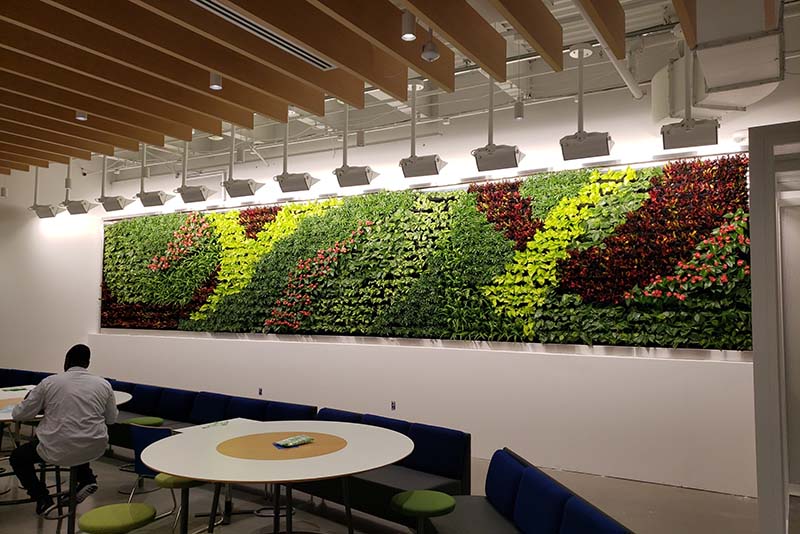
Haskell’s mechanical engineering team implemented systems that featured thermal ice storage, magnetic levitation bearing chiller, energy recovery units, installation of fan wall technologies in the air handlers, variable speed air compressors with energy recovery for the building’s heat and a cellular-enabled building management system allowing for smart energy adjustments and tracking for energy improvement. The biophilic design included a green wall in the cafeteria, and a walking trail with signs was developed to highlight educational moments. Additionally, car park sunshades doubled as solar collections to charge cars and the production backup systems.
Design-build offered total transparency throughout and a fast-tracked completion.
Working collaboratively with the client to achieve their goal of reduced environmental impact, Haskell achieved not only LEED Gold for this project but also LEED Carbon Neutral. Additionally, by selecting the design-build method, full transparency was provided every step of the way, and the project was fast-tracked to meet speed-to-market demand. By tapping into our network of resources, including Haskell Steel and modular building manufacturer BLOX, we achieved the client’s goal of commencing production capabilities within just three months of mobilization.
Sustainability by Design
- LEED Gold
- LEED Carbon Neutral
Related Topics
Talk to a Subject Matter Expert
Project Highlights
High-end, two-story office space
Manufacturing clean room
Automated warehouse
LEED Gold
LEED Carbon Neutral

At the end of the day, it is also about the quality of the people involved, and I saw that evidenced in every member of the Haskell team, across all disciplines.
Paul Konkus
Head of REFM Project Management, Ericsson
Related Projects
Apple Valley, California
Big Lots Distribution Center
Terra Haute, Indiana
Boral Brick Manufacturing Plant
Hopkinsville, Kentucky
Confidential Tobacco Client Manufacturing Facility
Related News & Insights
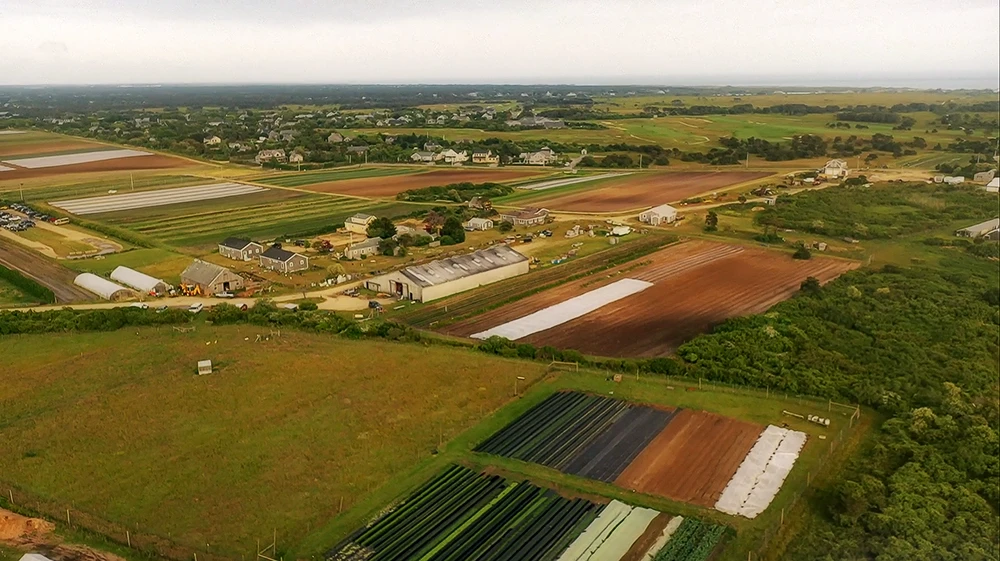
An Adventure in Nantucket, Restoring Distillery Automation
Learn how Haskell Subject Matter Expert Alan Green brought custom solutions to Triple Eight Distillery to upgrade an overmodified system.
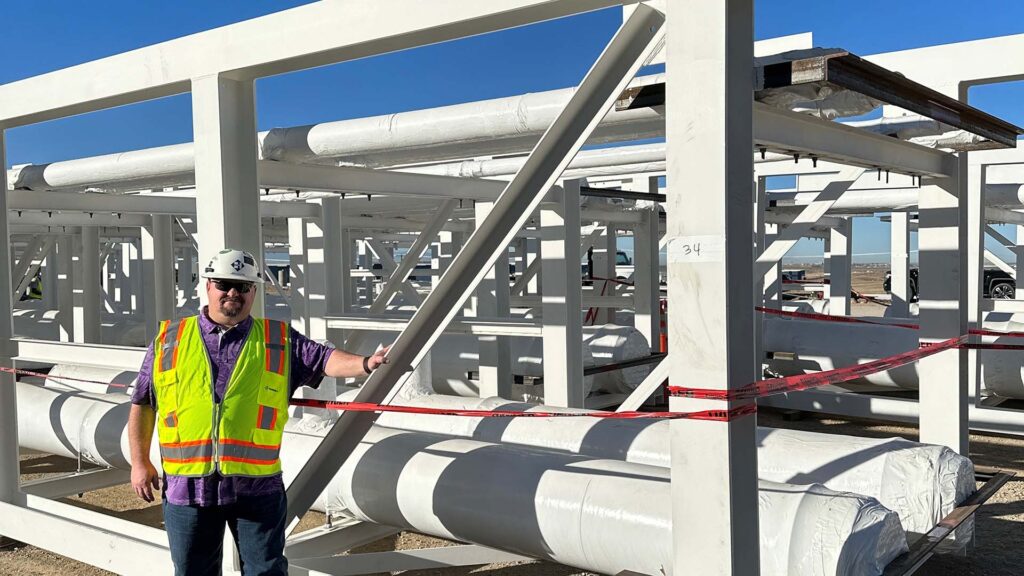
Fabrication, Sales and Service Underpin for Eric Jensen’s Leadership
Learn how the Haskell Superintendent's technical depth and people skills make him 'the glue that keeps it all together' on complex projects.
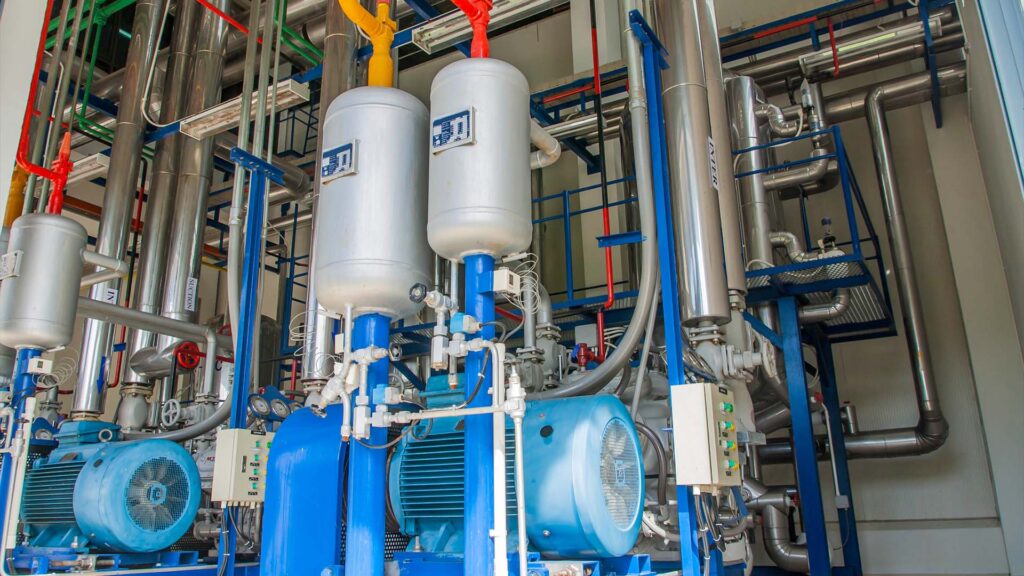
The Immediate Need for CO₂ Refrigeration in Food Processing
Learn how regulatory pressure and performance demands are accelerating the transition to CO₂ refrigeration across food processing facilities.
Haskell Partners with NEFBA to Expand Construction Trade Education
Learn NEFBA's vision for a state-of-the-art home for the next generation of skilled labor. See how Haskell invests in the future construction workforce.