Thinking Differently: The Value of Neurodiversity in Construction

Neurodiversity in construction is more common than many realize. Learn how inclusive practices strengthen safety, communication and innovation.
Every person deserves to feel safe, supported and valued for the unique strengths they bring to the workplace. During Construction Inclusion Week, it’s important to highlight a part of diversity that is often overlooked yet deeply present in our industry: neurodiversity.
Neurodiversity acknowledges that brains function in diverse ways. Some people may process information through ADHD, dyslexia, autism or other neurocognitive differences. Others may experience changes in how they think and work due to life events such as illness, menopause or burnout.
In the construction industry, neurodiversity is a reality – and it’s not uncommon. Studies show that one in four construction workers identifies as neurodivergent, a higher percentage than the general population. These individuals bring strengths in areas such as creativity, problem-solving and spatial awareness, which are essential for driving innovation and building successful projects. Yet stigma, silence and lack of support too often create barriers that prevent them from thriving.
Creating an inclusive workplace means building psychologically safe spaces where people feel comfortable and respected. Practical adjustments, such as breaking safety talks into smaller steps, offering information in multiple formats, and using accessible fonts, are simple yet powerful ways to ensure everyone can fully participate. These changes benefit not only neurodivergent workers but also the broader workforce by improving clarity, safety and communication.
True inclusion goes beyond awareness. It requires action, such as checking in with colleagues, understanding individual needs and creating systems that allow everyone to succeed. Different does not mean less capable; in fact, these differences often lead to exceptional contributions that strengthen teams and projects alike.
As the construction industry works to attract and retain the next generation of talent, embracing neurodiversity is not only the right thing to do; it is essential. By valuing all ways of thinking and removing barriers, the industry can foster workplaces where every individual feels respected, supported and empowered to contribute their best.
This Construction Inclusion Week, let’s go beyond building projects. Let’s build workplaces where everyone truly belongs.
About the Author: Allyson Steeg is the Talent Acquisition Branding & Sourcing Lead at Haskell. With a bachelor’s degree in communications from the University of North Florida, she is passionate about understanding people as in what excites them, what challenges they face, and how to help them thrive. She believes talent acquisition is more than filling roles; it’s about aligning people with opportunities that empower them to succeed and belong.
 Promoting and expanding diversity and inclusion is a strategic pillar of Haskell’s long-term vision and is foundational to creating a team member experience of significance, success and satisfaction. Haskell Together is our intentional and consistent initiative to promote open dialogue and bring about positive change.
Related News & Insights
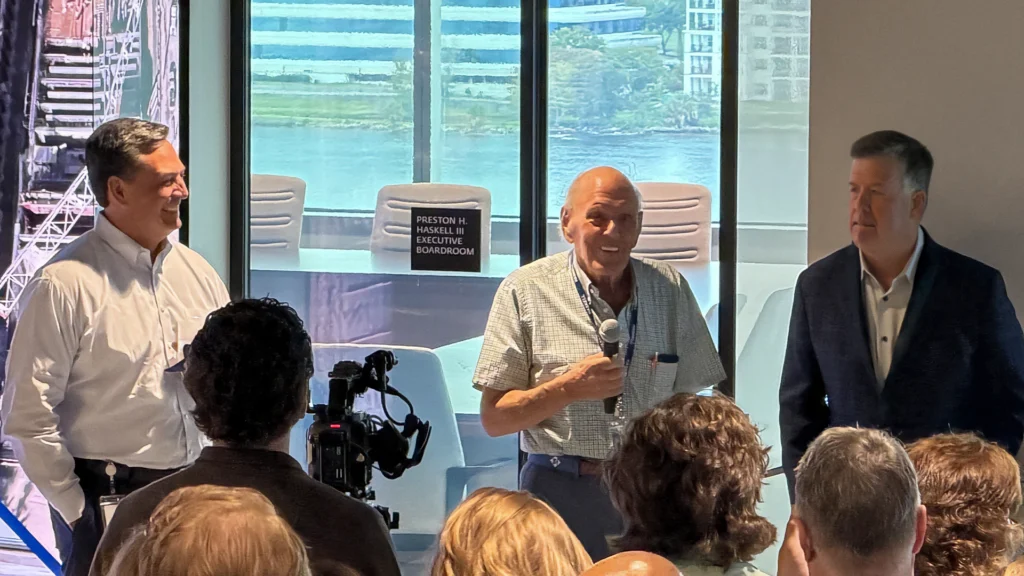
40-Year Team Member: Sharing a Moment with Preston Haskell
A celebration became a personal tour, as Alan Wilson and Preston Haskell III talked architecture, art and the city they know well. Read the account.
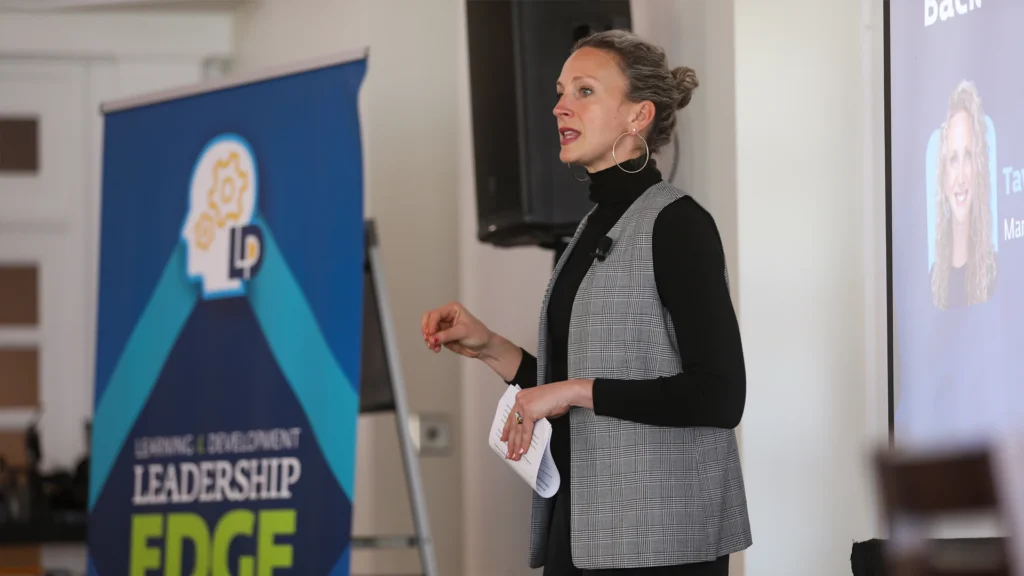
Developing Leaders, Building the Future at Haskell’s Edge Retreat
Learn how candid stories, expert perspectives and small-group conversations helped Haskell leaders examine what it means to lead with courage.
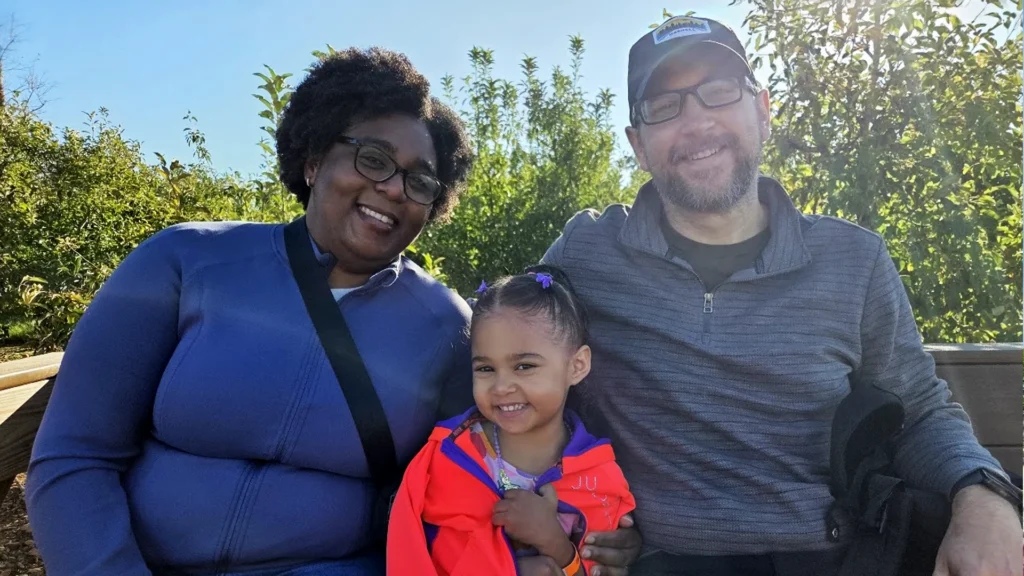
Meet the Engineer Behind Products on America’s Grocery Shelves
For Craig George, automation is personal: It is the code on a carton, the cookie on a shelf and the team that made both possible. Learn more, and join us.
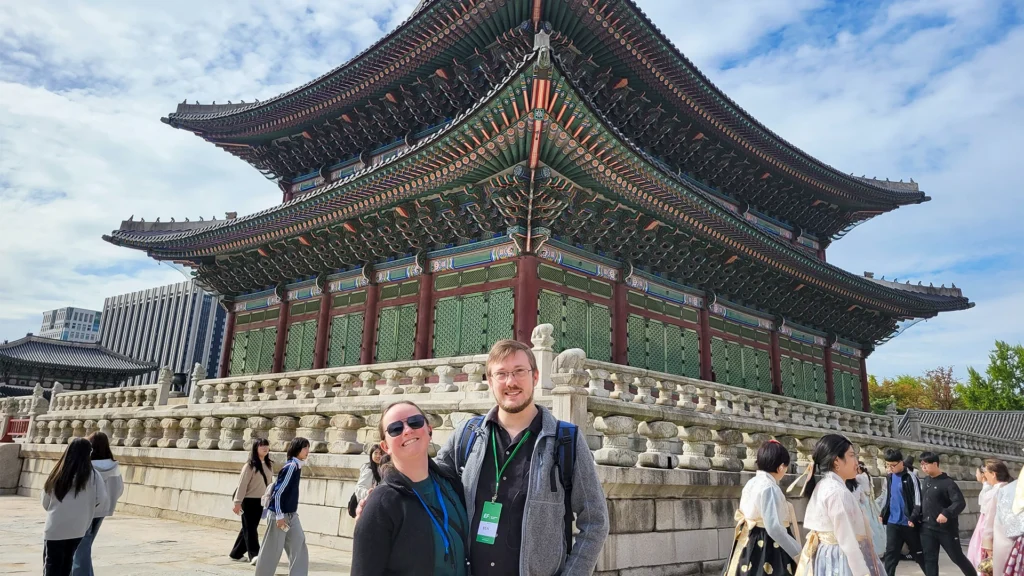
Turning Manufacturing Challenges Into Shared Solutions
Learn how the Livermore Project Integrator built her career by connecting teams and helping complex production systems perform as designed.