Collaborative Delivery Meets Stringent Requirements in Salt Lake City

Learn how Haskell’s expertise and proven track record with federal compliance are helping the city build its resilient water treatment plant.
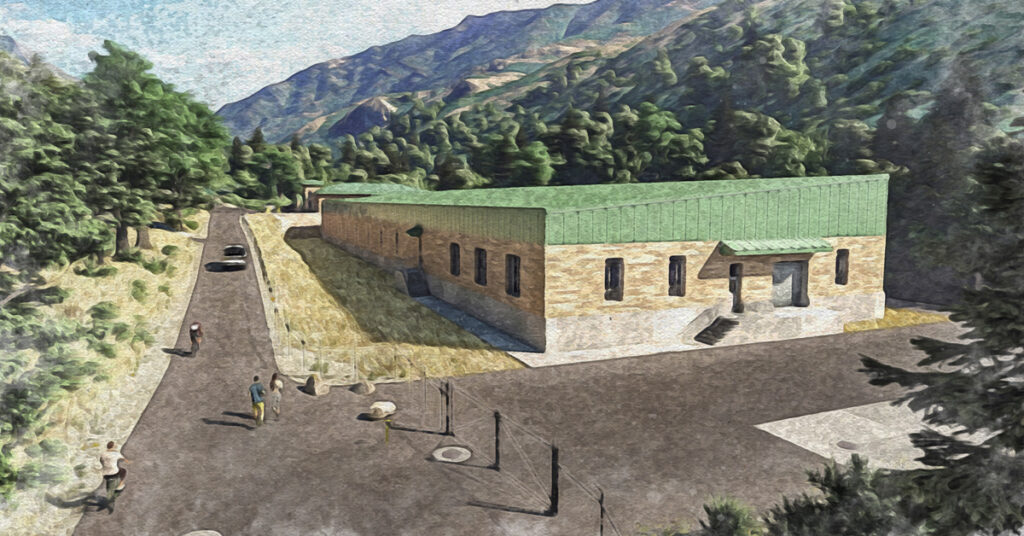
The Salt Lake City Department of Public Utilities (SLCDPU) has partnered with Haskell to construct a state-of-the-art treatment facility that residents can depend on to provide clean drinking water in the event of a catastrophic earthquake and other natural disasters that threaten the city.
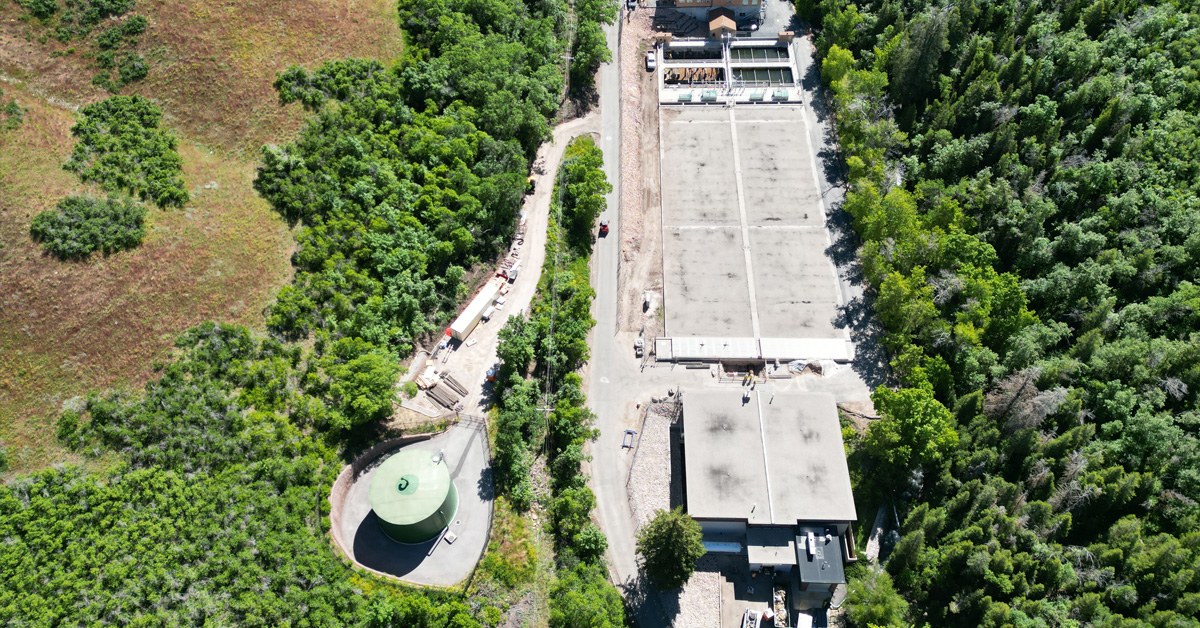
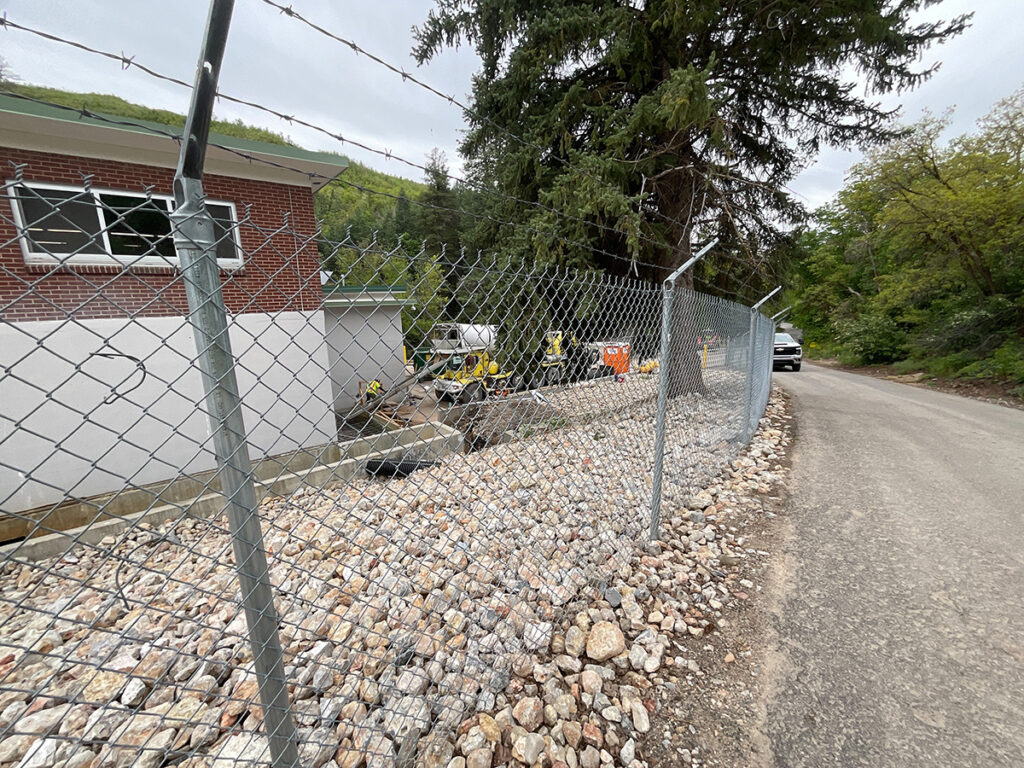
Leveraging its extensive water construction and collaborative delivery expertise, Haskell has created solutions to the numerous planning and logistical challenges presented by the $100 million project. The existing facility must remain operational during construction, which is taking place in a remote, wildfire-prone canyon with restricted access. The city must also remain in full compliance with the $38 million Building Resilient Infrastructure and Communities federal grant that is helping fund the project.
Utah regularly experiences seismic activity, and Salt Lake City is at risk of experiencing a catastrophic earthquake, according to state and federal studies. Although the City Creek Water Treatment Plant is a critical piece of infrastructure that provides drinking water to a significant part of the city, the 60-year-old facility was not built to withstand earthquakes, landslides or floods.
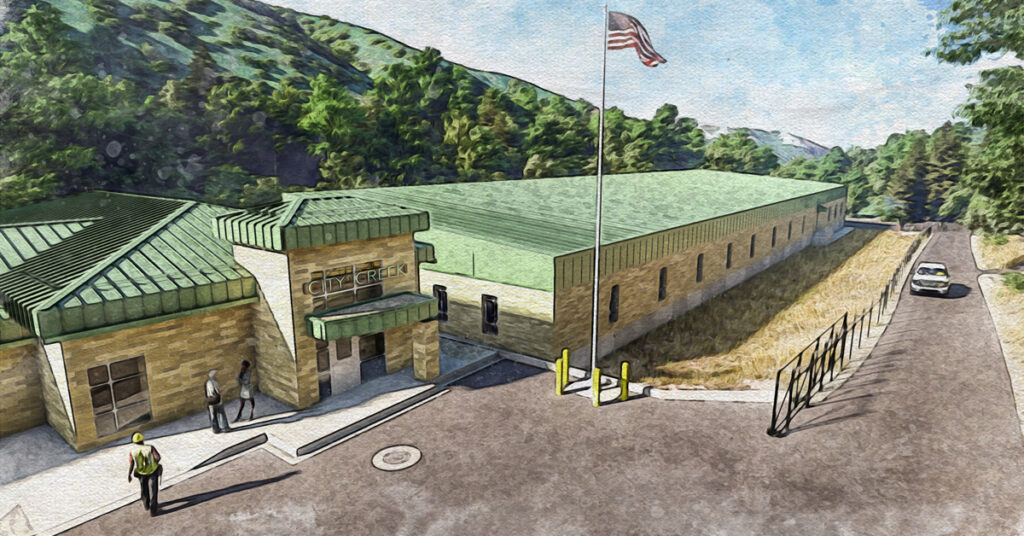
As part of a broader effort to mitigate its natural disaster risk, Salt Lake City is replacing the existing infrastructure with a disaster-hardened facility designed to immediately return to service in the event of a 2,475-year earthquake, 100-year wind event or 500-year flood event.
Haskell joined the project at the end of 2022 during the preconstruction phase, working closely with engineering firm Brown and Caldwell to finalize the design and identify opportunities to expedite delivery, reduce costs and improve the facility’s operations.
“This project illustrates the importance of collaborative delivery and the immediate value it can create before ground is even broken,” said Bryan Bedell, Haskell Vice President and Water Market Leader. “Our team recommended significant changes to the facility layout, optimizations to the construction schedule and integration of real-world pricing that resulted in a highly functional, disaster-resilient facility that we can build as quickly and cost-efficiently as possible.”
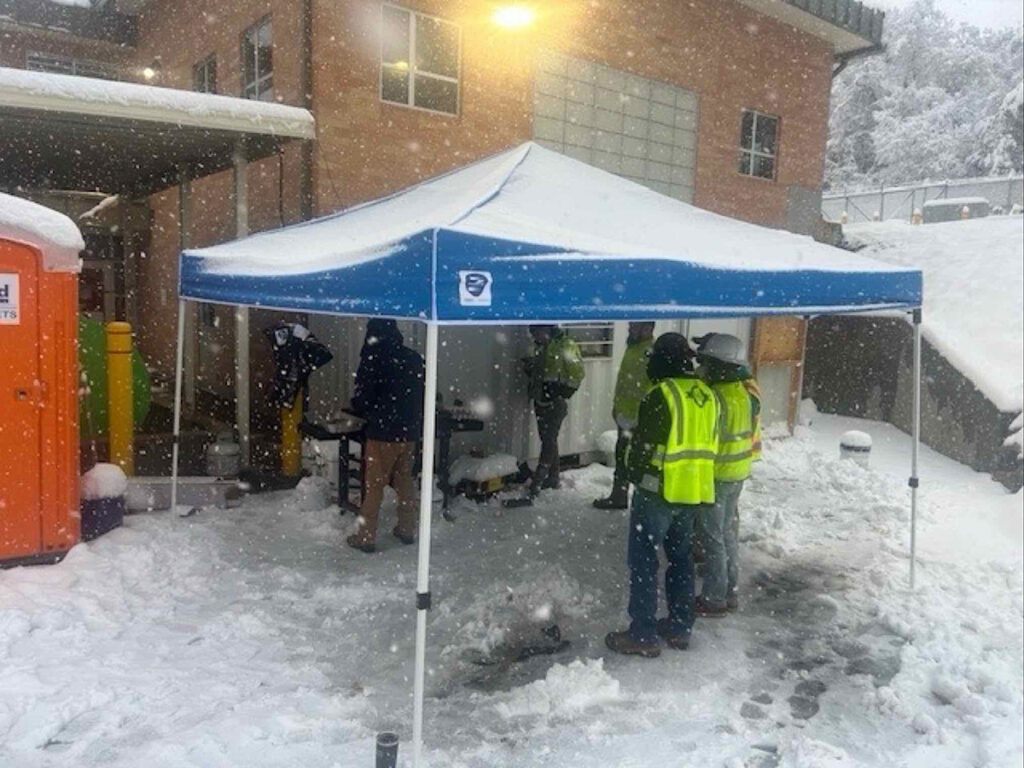
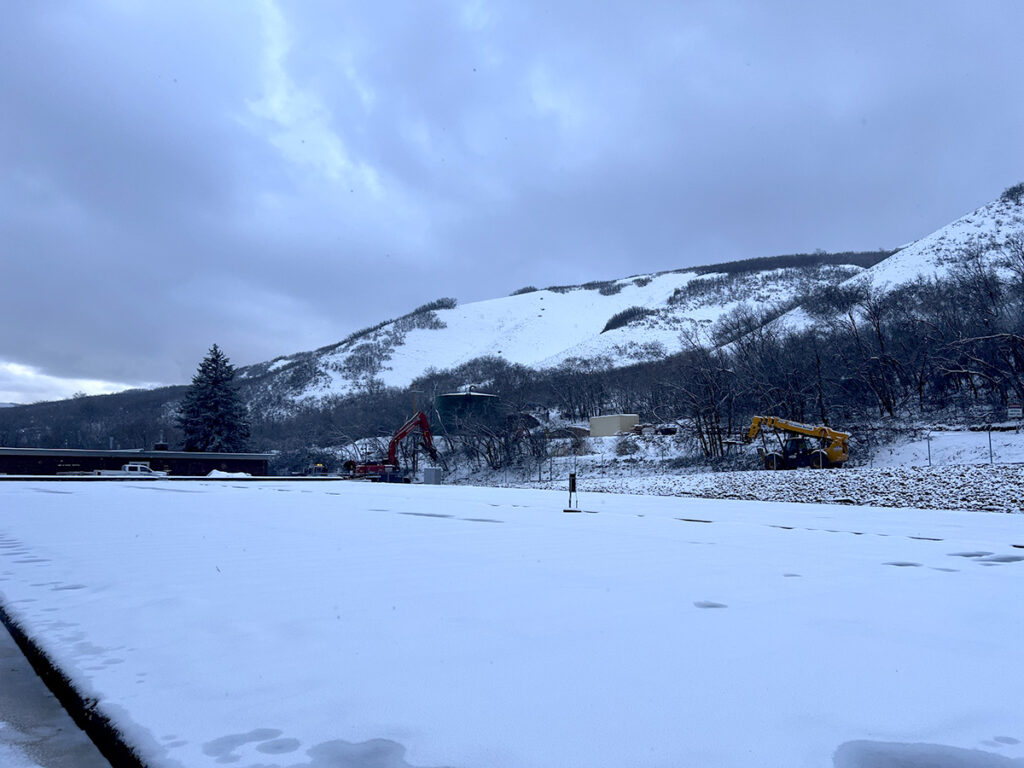
The new facility will use modern equipment and processes that will deliver operational savings through improved energy and chemical efficiencies. The facility’s flocculation basins, sedimentation basins and filtering operations will be moved inside a single building built to withstand significant flooding, windstorms and earthquakes. Relocating treatment indoors will not only provide a more operator-friendly facility – workers must shovel snow after storms simply to access the existing facility — but also protect it from shutting down during extreme weather events.
When construction began in 2023, Haskell was prepared to overcome the logistical challenges of executing large-scale construction in the wilderness. The facility is located several miles up a remote canyon that is outside of cell phone range and takes 45 minutes to reach from the base of the mountain via a single-lane road that serves as the only access route. Haskell created a plan to provide workers with lunch each day and prepare for a quick evacuation in the event of an accident or wildfire that could block access to the road.
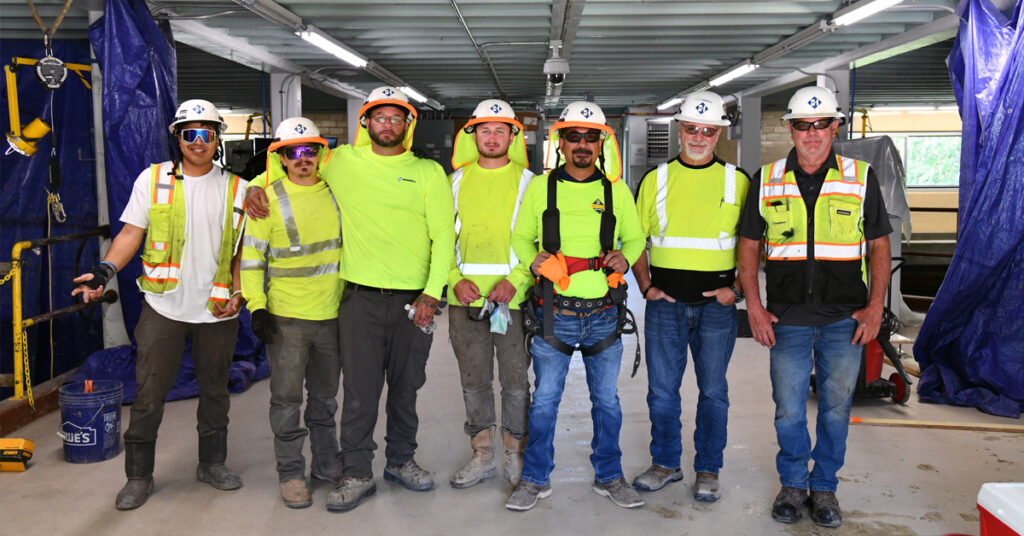
“We have 100 craft workers on-site during the project’s peak, and it isn’t feasible for them to drive down and back up the mountain for lunch every day,” Bedell said. “Safety is an even bigger concern, considering the remote location and risk of a fire trapping us in the canyon. We are working closely with the Sheriff’s Office and EMS providers to ensure a helicopter is on stand-by whenever workers are on site.”
Finally, Haskell has delivered a plan for the city to remain fully compliant with the provisions of its federal funding. This not only includes paying workers federally mandated wages, complying with job classification requirements and procuring domestic materials and products, but also meeting a 36-month construction deadline.
“Compliance is a key part of this project. Haskell has a long track record of success in this realm, and the city has trusted us to ensure every metric is achieved,” Bedell said.
The new facility remains on schedule to be completed by 2027, and the site recently served as a backdrop for Second Gentleman Doug Emhoff’s recent visit to Salt Lake City to tout the federal government’s investments in the city’s clean drinking water.
Haskell’s safety performance is one of many ways in which it ensures the greatest possible risk management on its clients’ projects. Contact our project management team to discuss your facilities needs.
Related News & Insights
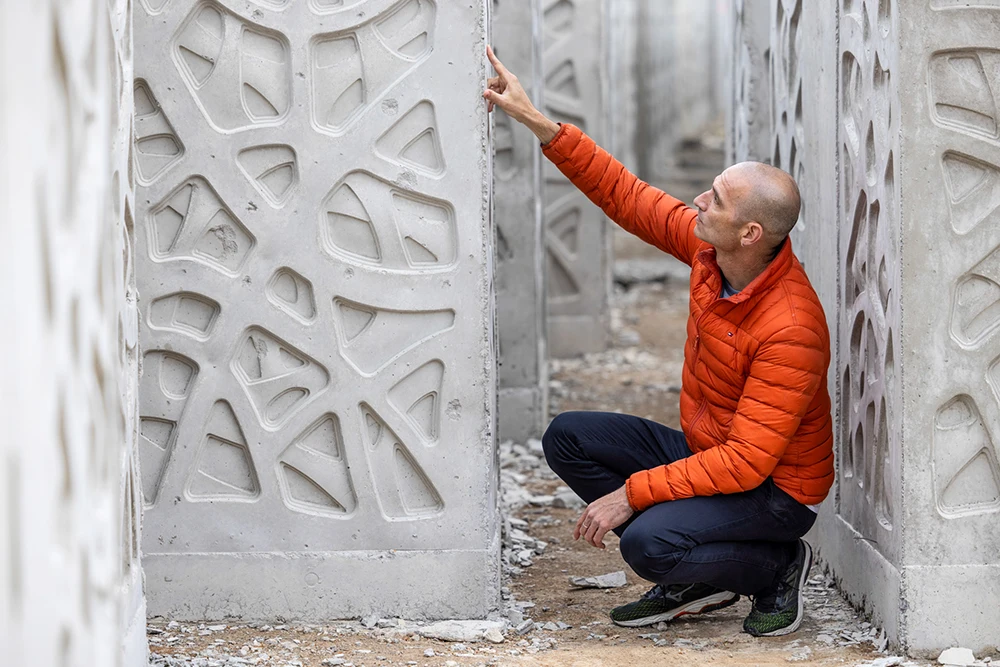
How ECOncrete is Building a Sustainable Future for Coastal Infrastructure
Learn how a new round of funding is pushing marine construction technology worldwide. Discover sustainable solutions for building materials.
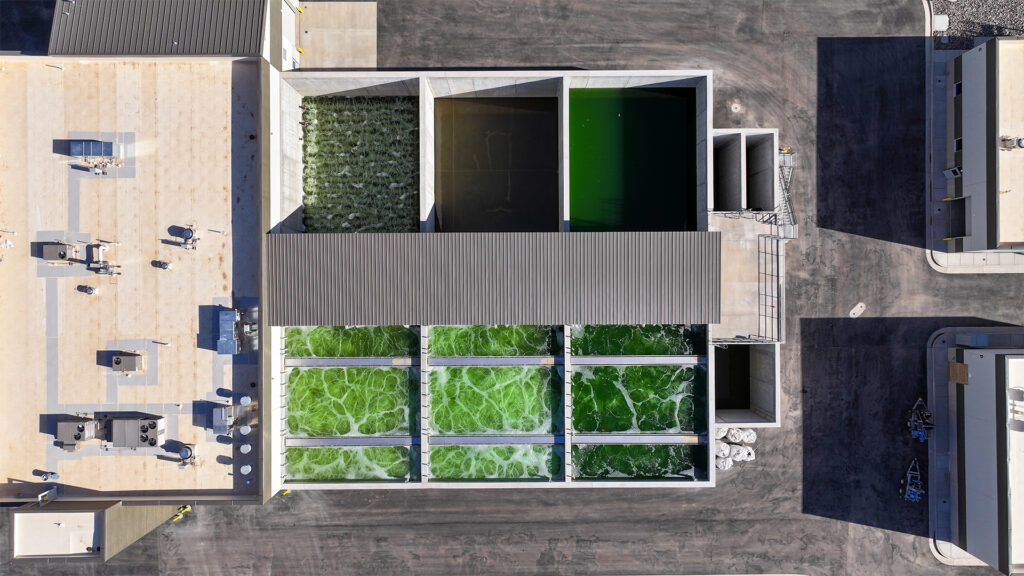
AquaNereda Brings Process Intensification to Wastewater Facilities
Project use cases show how innovative compact biological treatment systems can help utilities increase capacity, simplify operations and reduce lifecycle costs.
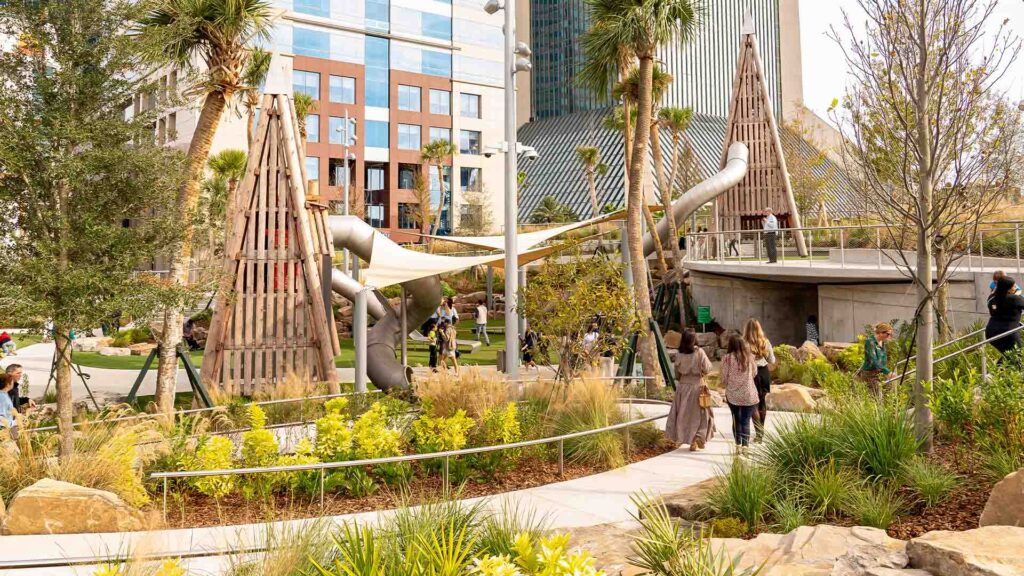
Riverfront Plaza Brings a Resilient New Era in Downtown Jacksonville
Discover the transformation of the historic Jacksonville Landing site into a world-class public park. Explore the history and future of this new destination.

Protect Communities by Removing, Averting PFAS in Drinking Water
New FDA rules require utilities and businesses to act fast against "forever chemicals." Explore how expert-led strategies can make communities safer.