

CO₂ in Brewing: Insights from Haskell’s Brewmaster, Dwight Garrels

In soda, it's the fizz. In seltzers, it's the bubbles. But in beer, CO₂ also impacts aroma, taste and freshness. Learn more from Haskell's Brewmaster.
Carbon dioxide (C0₂) is the common carbonation agent in myriad sparkling waters, sodas, seltzers and other alcoholic beverages, but to Haskell’s Dwight Garrels, there’s just something special about its purpose and use in brewing beer.
Haskell’s Director of Process and Mechanical Engineering, Garrels is well known for his extensive experience in brewing and C0₂ recovery systems, which “capture” C0₂ produced in beer fermentation and reuse in the brewing process.
“The unique thing about C0₂ in the brewing process is that it is produced as a byproduct and then actually put back in as a processing aid,” he said. “It helps to keep oxygen from hitting the beer and turning stale,” he said. “C0₂ in the brewing industry has many more uses and quality impacts than in the soda industry.”
Experience the interactive presentation that accompanied
Dwight Garrels’ session at BevTech 2024
While he also works with distilleries, wineries and a multitude of food and beverage projects, he’s the company’s subject matter expert for both the major and craft brewery industries.
Garrels is Haskell’s Brewmaster.
He has bachelor’s and master’s degrees in environmental engineering fields from the University of Illinois and another master’s from Southern Illinois University in engineering with chemical and mechanical emphases. He spent almost 20 years at Anheuser-Busch, rising to Project Development Manager and cultivating vast expertise in all aspects of the brewing process, but with special emphasis and working on C0₂ systems, developing C0₂ quality guidelines and helping to increase C0₂ recovery and optimizing usage in the brewing process.
In a recent presentation, he focused on how C0₂ affects more than just the bubbles in beer, but also the design, process, quality, and environment of the brewery and product. C0₂ extends the shelf life of beer by preventing oxygen intrusion and can also be recaptured for reuse after fermentation.
“At this specific conference, there were a lot of technical sessions I enjoyed attending,” he said. “One of them was sustainability, which Haskell has set itself apart on when we do projects. We have the knowledge of sustainability tools and understand their importance. By capturing CO2 and re-suing it the product prevents venting the CO₂ into the atmosphere and contributing to the greenhouse gas concerns.
Haskell’s subject matter experts consistently maintain a holistic and innovative approach to problem-solving, which means they regularly participate in solutions-focused discussions across disciplines and industries. Contact our team to leverage that thought leadership on your next project.
Related News & Insights
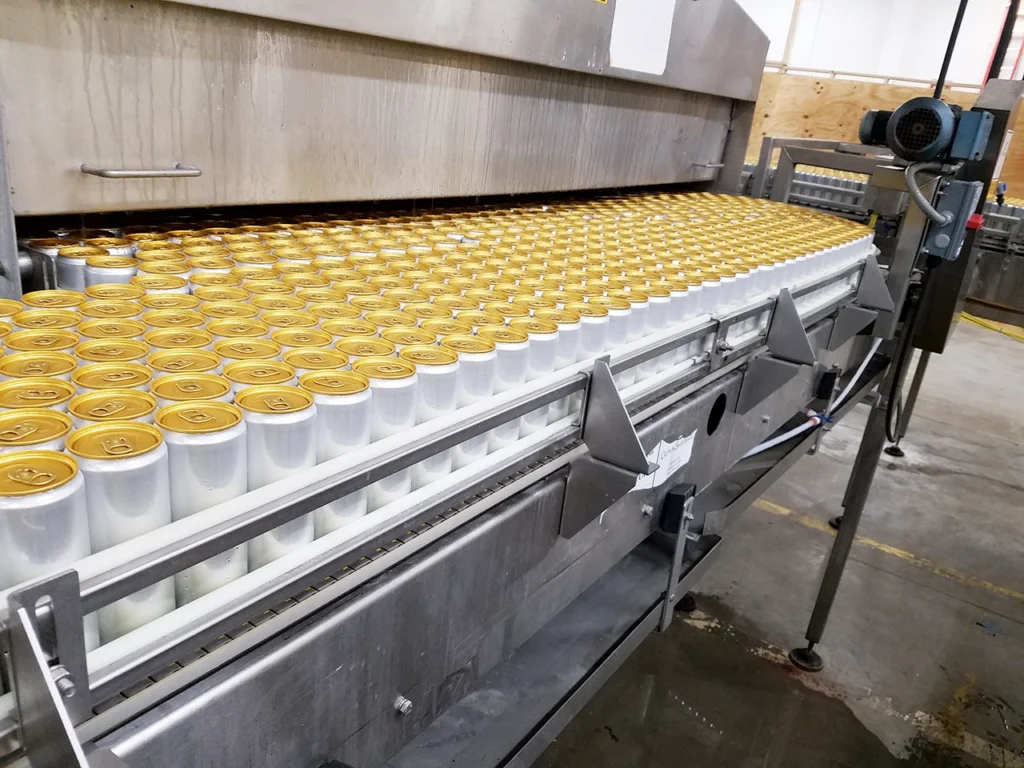
Planning a Functional Beverage Line for What Comes Next
From cold-chain needs to supplier risk, functional beverages require decisions beyond formulation. Learn how to create an adaptable facility.
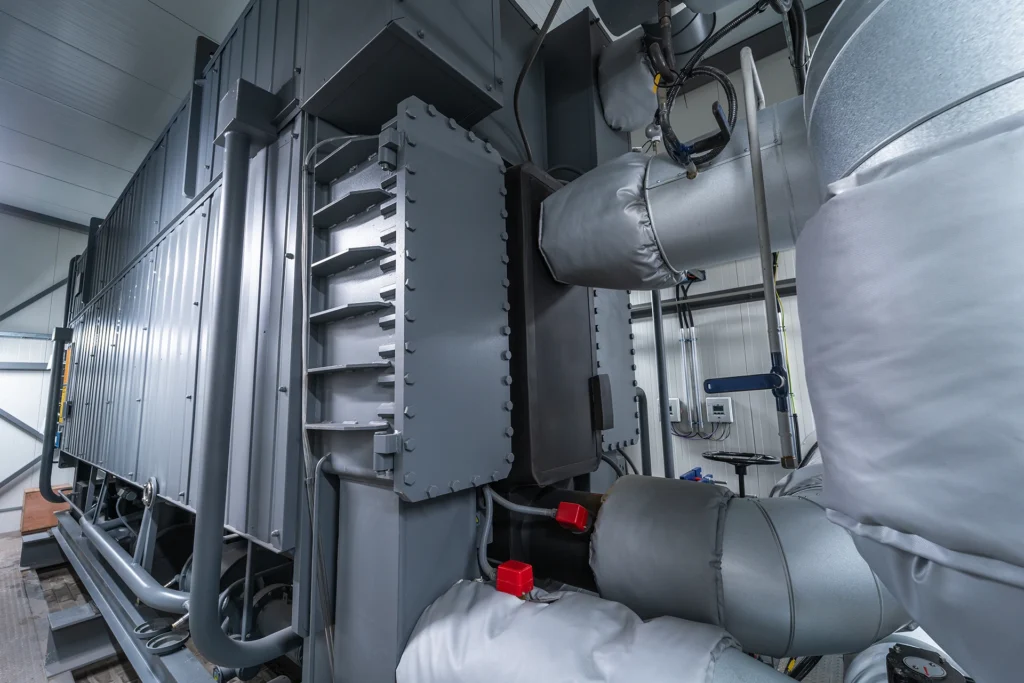
What Manufacturers Should Know About High-Temperature Heat Pumps
Discover how industrial manufacturers evaluate high-temperature heat pumps as part of an integrated thermal strategy. Learn what early design decisions shape performance and economics.

How Pure Cane Sugar Can Reshape American Beverage Operations
Explore the supply chain, infrastructure and production considerations beverage manufacturers face when introducing pure cane sugar.
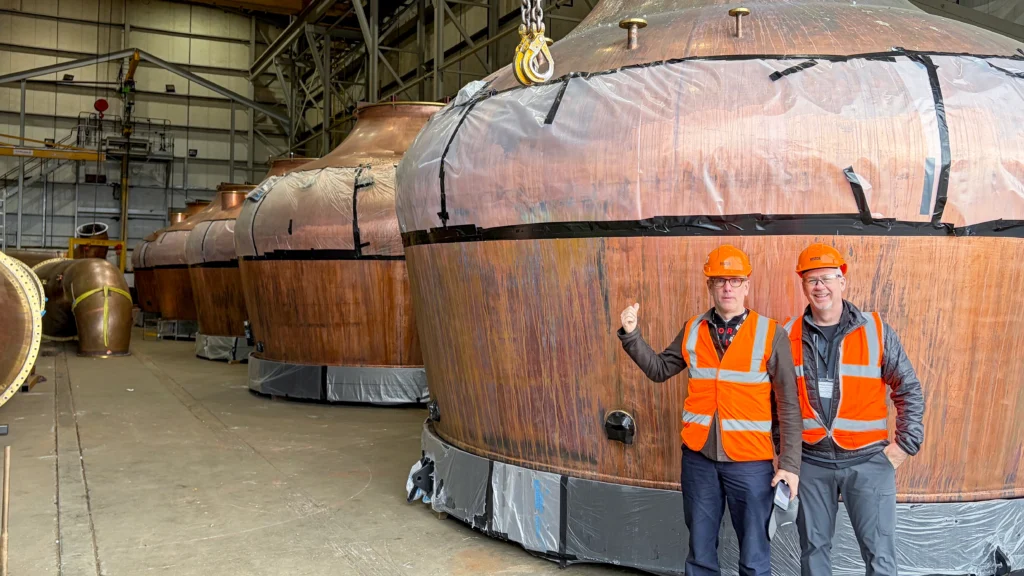
Beer, Wine & Spirits Expert Explores European Tech and Innovation
Travel along as Haskell's Phil Morgan explores how producers are improving efficiency without compromising the products consumers know and love.