Haskell Intern Emily Moseley Is Racing Toward Her Engineering Career

The Georgia Tech student says her experiences at Haskell have expanded her view of her chosen field.
For Emily Moseley, engineering isn’t only a job. Inspired by a former teacher and mentor, Moseley discovered her interest in mechanical engineering early on, founding her high school robotics club. While attending Georgia Tech, she learned her passion for engineering extended to designing and building race cars on the university motorsports team. The team, which comprises more than 60 active students, competes against more than 100 other student teams in Formula SAE, an international race car design competition. She began participating as a freshman, manufacturing and developing the suspension and controls subsystems of the car. Now a senior, she has risen to manufacturing team lead on the prototype race car. “I really like the project engineering aspect of it,” Moseley said. “I love doing the nitty gritty drawings, but I don’t want to do that forever. I want to have the knowledge and know how to do it and then know how to teach other people.” Though she planned to pursue a career in building race cars, her experience at Haskell inspired her to reconsider her intended path. After beginning her co-operative education experience, which entailed rotating semesters between school and work, she explored her study of mechanical engineering through multiple Haskell projects. With one semester under her belt shadowing on a processing and packaging plant for HP Hood, a dairy company, she has tackled projects ranging from assembling plans for generic can line layouts to creating Haskell-specific AutoCAD training videos. Currently, she is the only team member producing drawings for upgrading the process lines for McCormick, a leading spice and seasoning company, guided by the project engineer. “I love the Haskell family and how welcoming everyone has been to me even from my very first day last fall,” Moseley said. “I really appreciate the confidence that all the engineers – engineering managers, project engineers, and even the directors – have in me, because they are giving me work that pushes me out of my comfort zone sometimes, but it allows me to learn so much. My biggest goal during my time at Haskell is to be an asset to the team – not just someone they’re grooming to become a full-time engineer.” About the writer: Ashton Erickson is a Haskell 2020 summer intern working in the Corporate Marketing department. She is a sophomore at the University of Florida majoring in Marketing and Economics.
Intern Profile: Emily Moseley
- Hometown: Sandy Springs, Georgia
- School: Georgia Tech
- Major: Mechanical Engineering
- Minor: Aerospace Engineering
- Internship assignment: Packaging, Atlanta office
- Years as Haskell intern: Participating in second co-op
- Projected graduation: Fall 2021
About Haskell’s Summer Internship Program
Haskell welcomed 58 interns worldwide during Summer 2020, including 14 returning for a second year and two returning for a third. The Class of 2020 draws from a record 30 colleges and universities. This year, Haskell’s interns are working at 12 different offices and 15 different jobsites across 11 different states, with one in Singapore. Haskell’s Summer Internship Program produces results: 23 members of the 2019 class have joined the company as full-time employees.
Related News & Insights
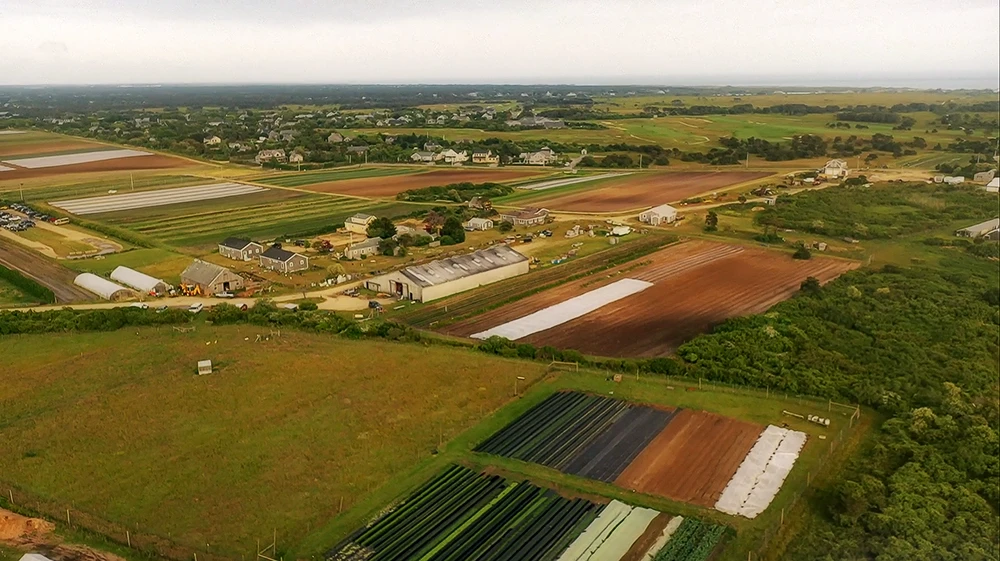
An Adventure in Nantucket, Restoring Distillery Automation
Learn how Haskell Subject Matter Expert Alan Green brought custom solutions to Triple Eight Distillery to upgrade an overmodified system.
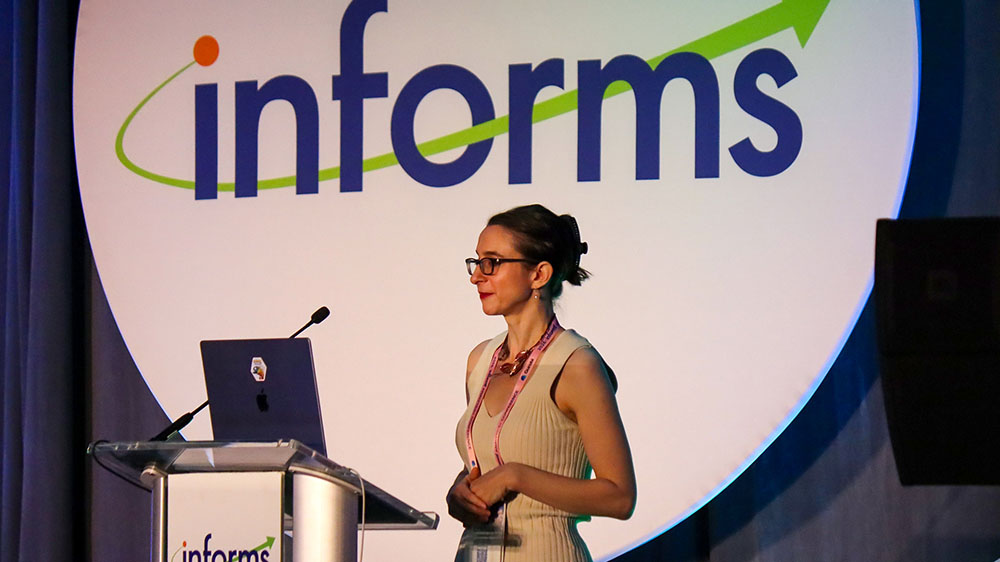
How AI and Digital Twins Are Shaping Industrial Analytics
Discover how stronger data foundations and planning tools are improving operations. Explore insights on capacity planning, supply chains and modeling.

Natural Colors and Flavors: The New Standard in Pet Food
Learn how the industry is moving quickly to replace artificial ingredients and what manufacturers must do to maintain quality, compliance and throughput.
How to Control Glass Hazards in Food Manufacturing
Learn how to reduce glass contamination risks through prevention, inspection and maintenance best practices. Protect food safety and product quality.