

Improving Your Operating Room Efficiency & SURPRISE! Your Profitability

Learn how predictive simulation and optimized block scheduling can improve operating room efficiency and boost profitability.
Just as in a lifesaving surgical procedure, every minute counts when optimizing the operating room (OR.) Saving even one minute per procedure adds up over the course of a year to a substantial time and cost savings for healthcare providers.
Optimize block schedules
A predictive simulation model quantifies the effects of various block schedule configurations. It incorporates volumes and individual physician and procedure data to calculate the best approach. It tests the efficiency of different staffing mixes, the effects of adding extra hours at different times, and the best ways to shorten elective procedure backlog.
Pinpoint and refine outdated, inefficient procedure techniques
Consider the throughput of a hip replacement procedure. Traditional techniques take several hours whereas minimally invasive techniques take less time. Detailed log data and process flow analyses reveal the causes of long procedure times.
Eliminate the problem of unavailable supplies, equipment, or technology
Scheduling becomes tricky when different surgeons need the same piece of equipment for back to back procedures. This happens when expensive equipment is available in limited quantities. Also, physicians work more slowly when they don’t have the tools or supplies they are most familiar and comfortable with.
Most hospitals stock a wide range of equipment and supplies but carry only a few pieces of each type. Instead, we suggest fewer types but greater quantities. A narrower range of standard equipment and supplies increases the likelihood that they will be available when needed.
Most hospital-employed physicians have no financial incentive to standardize. To overcome resistance, present inventory and cost data to the surgeons’ council. This helps them understand that unused inventory equals dollars lost. Moreover, standardization shortens procedure times and wastes less staff time “hunting and gathering.”
Standardize OR room layouts
Micro-level details in the layout of an OR can spawn a host of inefficiencies. While appearing miniscule, they have far-reaching implications for patient care.
Standardized layouts reduce both physical and mental staff fatigue and the potential for errors. Surgical staff work at a furious pace. Moving around the room becomes second nature when they intuit where things reside. This decreases the likelihood of grabbing an incorrect item that could slow the procedure or injure the patient.
If different rooms have different layouts, the cognitive reflex is no longer present. The mental adjustment adds time. Imagine you instinctively reach to the right to turn on the cold water at the sink. If in one instance the hot water happens to be on the right, even if you see the “hot” label you may still scald yourself accidently.
Consistent supply table location
Suboptimal room configurations may dictate supply table locations which complicate the surgeon’s process. Idiosyncratic supply table placement obliges the surgeon to alter his/her way of reaching to grasp supplies. Switching hands to pick up supplies could harm the patient.
Let’s say the surgeon is holding your heart in their right hand and needs to grab something off the table. Do you really want them to flip your heart back and forth between their hands? Designing a surgical suite to consistently locate the supply table streamlines procedure times.
Consistent operating table orientation
Many hospitals have a protocol for rolling stretchers into the OR “head first” or “feet first.” Based upon the direction of the operating table, we position the stretcher to point in the correct direction as it enters the room. Regardless of the orientation, we position the operating table to contain the surgeon, patient, and supplies within a sterile zone. This clears the opposite side for foot traffic.
It saves time to not have to turn the stretcher around in the OR to transfer the patient onto the table. It also saves frustration and rework as the majority of the equipment is already positioned around the table when the patient arrives.
Related News & Insights
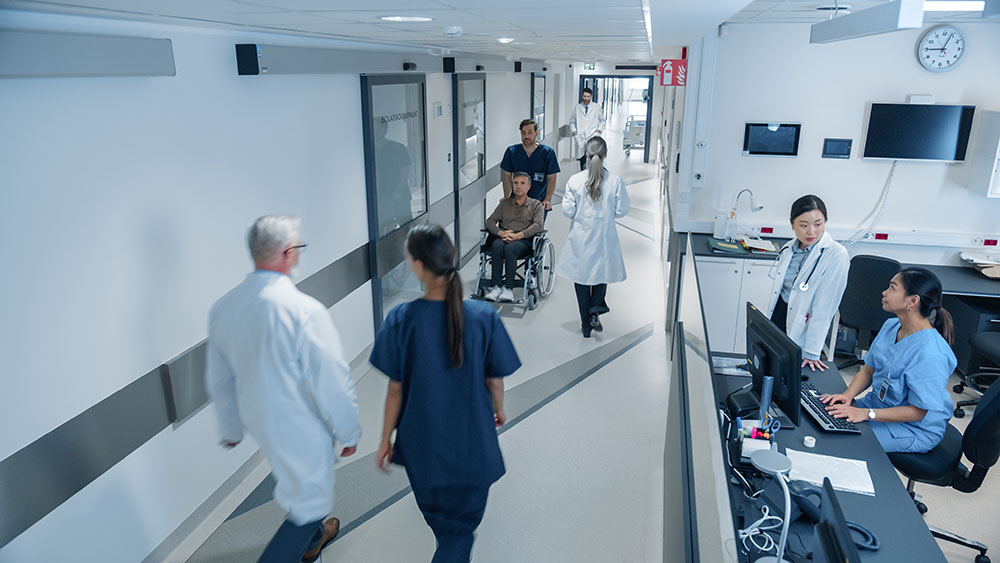
Healthcare Security Works Best When Planned from the Start
From egress planning to AI surveillance, learn how proactive healthcare security design improves safety without compromising patient experience.

Micro-Hospitals Offer a Scalable Path for Rural Access
Learn how micro-hospitals differ from traditional facilities and why community education can shape adoption. See Northeast Georgia Health System’s approach; Lumpkin County micro-hospital.
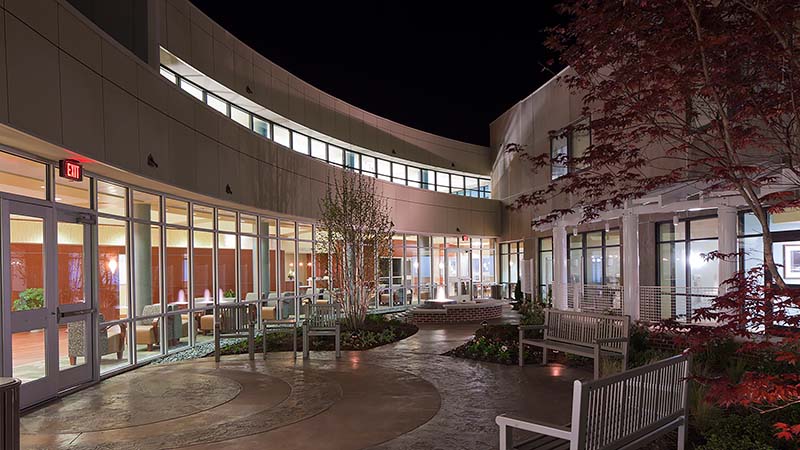
The Human Experience is Vital in Shaping Good Healthcare Design
Each facility is unique, but some factors related to patient, staff and family wellbeing consistently offer opportunities to optimize the healing environment.

The Fizz Factor: Learn Why CO2 Is Critical in Beverage Processing
Discover the science behind carbonated beverages and how Haskell SME Dwight Garrels helps clients optimize critical components of manufacturing.