

Why Natural Ingredients Require Front-End Planning

Learn how replacing synthetic ingredients can affect facility processes. See how early feasibility assessments inform capital decisions.
Driven by evolving customer expectations and a growing focus on clean-label products, food and beverage manufacturers are reevaluating synthetic and artificial ingredients and exploring natural alternatives.
Companies have pursued these efforts for years, but recent market and regulatory pressures have accelerated the pace. Once a manufacturer decides to move in this direction, it must ask an important question: Can the facility support it?
The Need for Front-End Loading Studies
Moving from synthetic to natural ingredients is rarely a one-for-one substitution. Natural ingredients often behave differently than their synthetic counterparts. For example, manufacturers may replace synthetic red dyes such as Red No. 3 and Red No. 40 with natural red dyes derived from beetroot, hibiscus, dragon fruit, purple carrot, red radish, elderberry juice or paprika. Beyond the potential product quality and flavor implications, manufacturers must consider how to incorporate these alternatives.
Synthetic dyes are typically more heat stable and less pH sensitive than natural substitutes. In strawberry milk, for example, natural colors can react during pasteurization and tint the final product brown. Each color substitution has its own temperature requirements, pH sensitivity and processing needs, all of which are important considerations.
Front-end planning is designed to account for these variables. The industry typically refers to this process as front-end loading (FEL), with FEL1 serving as the earliest stage of project development. An FEL1 assessment evaluates feasibility before significant capital investment. Companies develop an understanding of the operational impacts, potential risks and costs the project would entail.
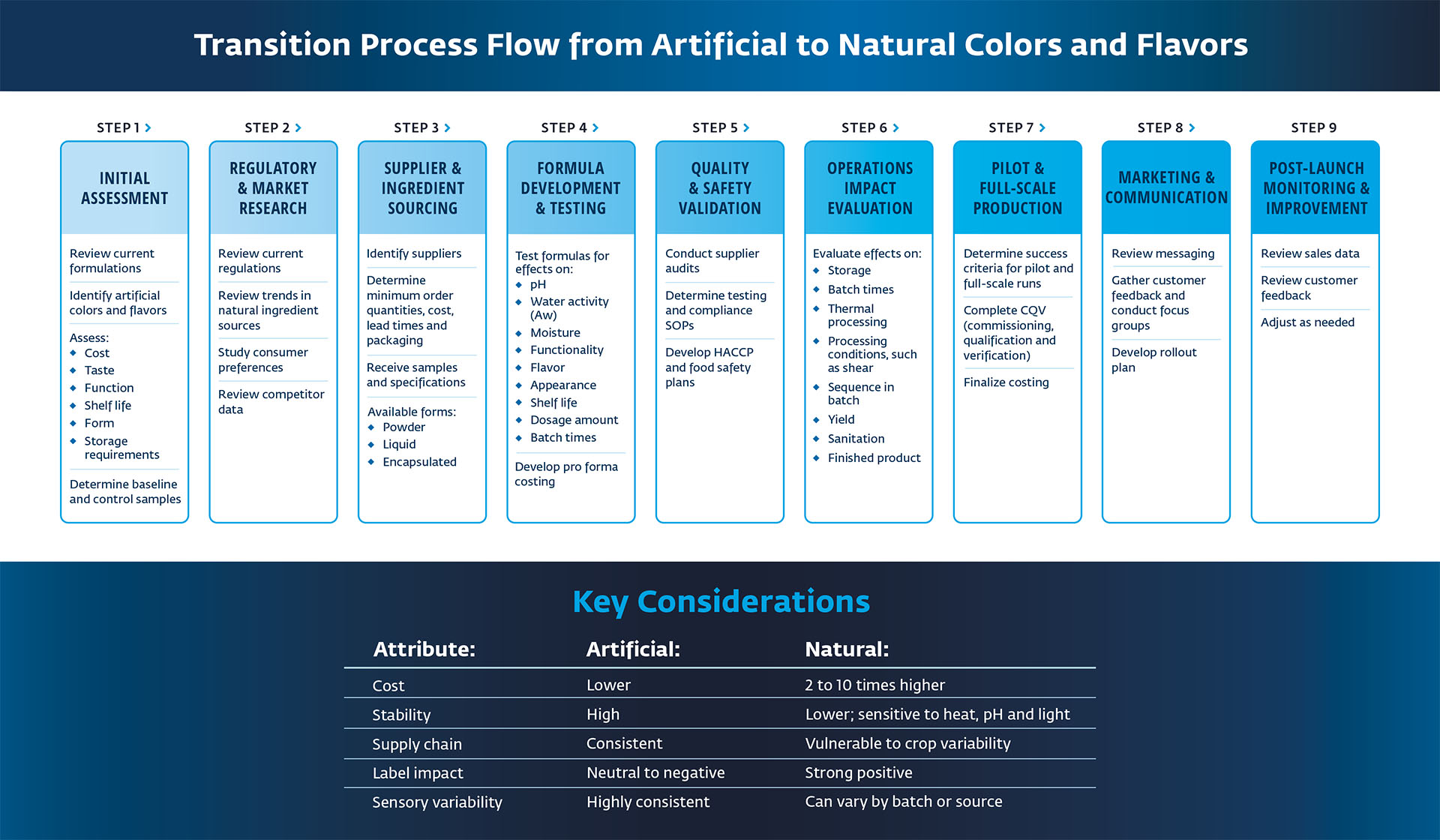
In many cases, the outcome is greater confidence in moving forward. In others, it may reveal that a project requires substantially more investment than originally anticipated. Either outcome provides critical information for decision-makers responsible for allocating capital.
How Haskell Helps Manufacturers Navigate Transition
Once a manufacturer decides to proceed with reformulating its products, Haskell helps them understand what those formulation decisions mean for their facilities, operations and future investments.
Haskell brings together professionals who have worked directly in the food and beverage industry, including strategic industry advisors, process engineers and project development teams. After the feasibility study, the team evaluates possible solutions through conceptual engineering and works to align project stakeholders around a final concept. Balancing quality, budget, schedule and other expectations during this stage helps build a foundation for capital investment.
Haskell also takes an equipment-agnostic approach, evaluating technologies from a broad range of original equipment manufacturers rather than steering clients toward a predetermined supplier. This flexibility enables manufacturers to explore options that align with their operational goals, budget requirements and production needs.
For manufacturers that outsource engineering, Haskell’s involvement can extend beyond the feasibility stage through concept development, detailed design, engineering, construction and implementation.
As companies move from artificial to natural ingredients and flavors, understanding the full scope of the challenge up front can inform their investment decisions. The decisions made at the beginning shape the project that follows.
 About the author: Jon Heussner is a member of Haskell’s team of Strategic Industry Advisors specializing in Food Manufacturing. He is HACCP- and Safe Quality Food (SQF) certified and has more than 40 years of food engineering and operational experience with manufacturers such as Tyson, Conagra, Hain Celestial, Dean Foods, and Scoular.
Learn how ingredient changes can affect facility processes and capital decisions. Contact Haskell to discuss your project.
Related News & Insights
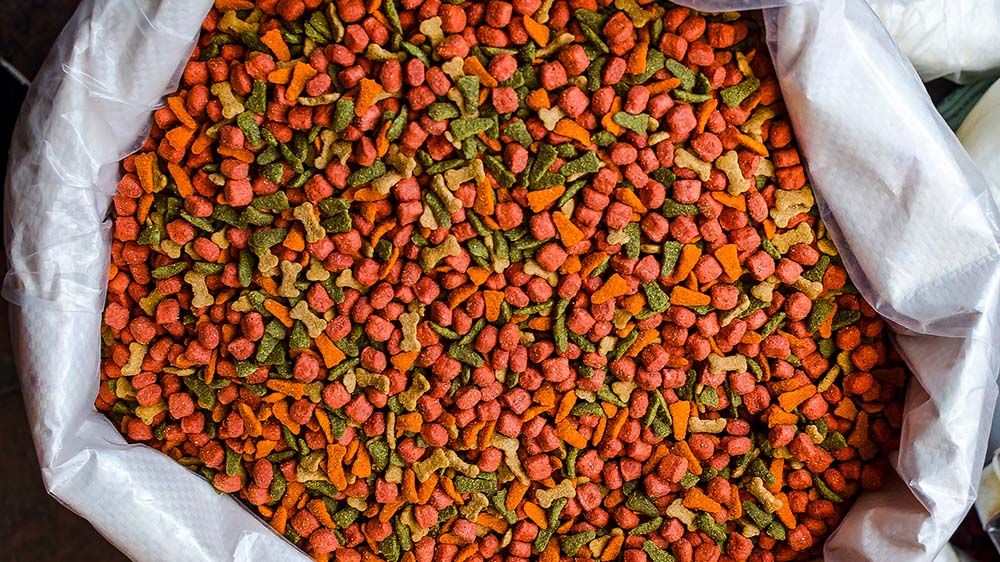
Natural Colors and Flavors: The New Standard in Pet Food
Learn how the industry is moving quickly to replace artificial ingredients and what manufacturers must do to maintain quality, compliance and throughput.
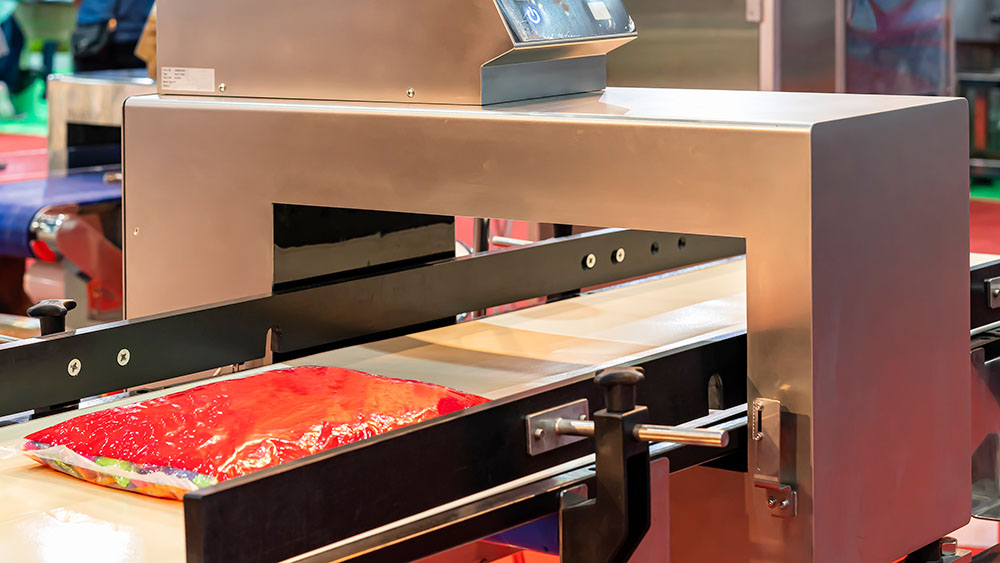
How to Control Glass Hazards in Food Manufacturing
Learn how to reduce glass contamination risks through prevention, inspection and maintenance best practices. Protect food safety and product quality.
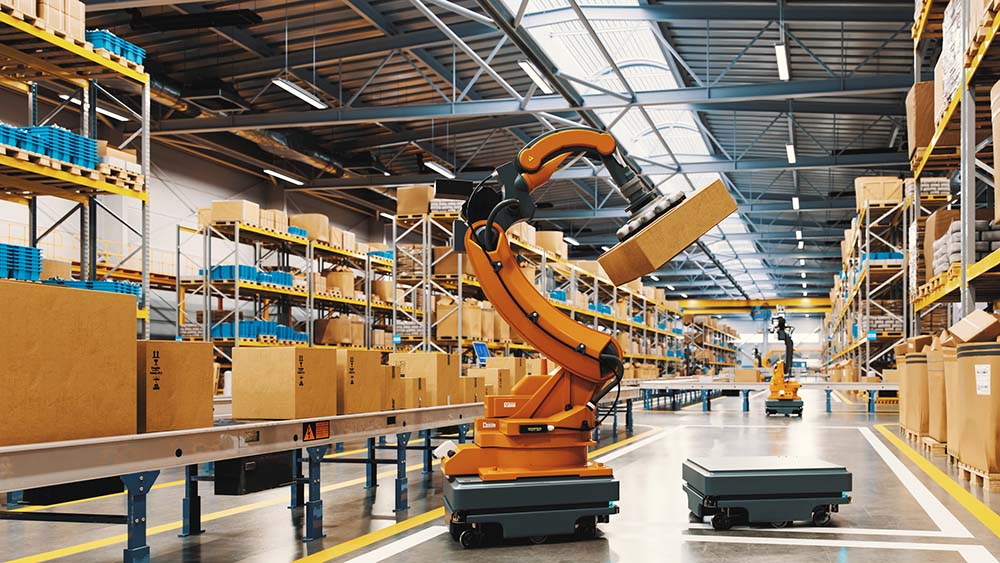
AI-Enabled Material Handling Automation in Pet Food Facilities
Learn how engineered material flow and AI-enabled automation can cut manual touches, speed dock-to-truck loading and support scalable growth.
The Real Cost of Moving from Artificial to Natural Flavors and Colors
Regulatory scrutiny and consumer expectations make economic planning essential, not optional. Learn how to build a long-term reformulation roadmap.