

Make Effective Plant Decisions with AI and Human Expertise

AI recommendations depend on reliable data and operational expertise. Learn what to evaluate before committing time and capital.
In a world where AI is rapidly being integrated into process improvement products, how do companies employ data analysis solutions and ensure they are maximizing the value they receive from the data they collect?
Haskell’s Systems Analytics team found this question especially pertinent after attending Pack Expo 2026 in Chicago. Among the packaging original equipment manufacturers (OEMs) and automation exhibitors, a significant number of companies offered products promising to address a wide range of data-related needs. Many are embracing AI and other high-tech tools to offer analysis software with capabilities rarely seen in the packaging industry before now.
In many performance tracking products, AI is being integrated into software to help manage the high volume of data that these products collect and store. Users can generate data visualizations, ask for maintenance summaries, or get custom reports without having to manually find and process the applicable data. Beyond AI features in existing platforms, new products offer capabilities like using machine learning to time manual processes and providing live process improvement recommendations using digital twin-style methodologies.
With the rapid emergence of AI in the industry, it’s important to understand both where it adds the most value and the potential risks. Asking AI to perform an analysis without sufficient context can lead to results that, even if accurate, miss critical context that would make the data actionable. Worse yet, the AI analysis could provide ill-advised recommendations or misidentify the root cause of an issue. Without an experienced human in the loop who understands the whole process, these mistakes can translate into millions of dollars in misplaced investments.
Using AI to process data can be done effectively, but it requires more time and effort than many people anticipate. The primary human focus should be to contextualize data. That includes thorough documentation of the reasons for downtime events. An operator or analyst who is knowledgeable about the equipment can provide thorough and accurate downtime reasons that ensure the AI software has sufficient information to understand the meaning of the data and provide appropriate recommendations.
When planning your facility’s next process improvement effort, evaluate your analytical resources as you would any other investment. Consider the outcome you need, the quality of the information available, and the cost of acting on an incomplete or inaccurate conclusion. AI-enabled software may be a good fit for well-defined tasks supported by reliable data. When the problem spans multiple systems, the investment is substantial, or performance data is incomplete or inconsistent, it is critical that you also have an experienced team of analysts who understand both the physical system and how the AI software works. They provide the investigation and judgment needed to move forward with confidence.
Whether you need to improve overall equipment effectiveness (OEE) on older equipment or want to evaluate the impact of potential line control programming changes, these challenges call for observing operations, gathering missing information, testing assumptions, and evaluating how equipment, people, and processes interact.
At Haskell, our System Analytics team has seen the good, the bad, and the ugly of AI adoption across a wide range of companies and industries. That experience has taught us how to work through those challenges by combining analytical methods with an understanding of the operation. This helps us establish a dependable picture of current performance, investigate the constraints behind it, and evaluate potential improvements. We’ve seen the value, and the pitfalls, of AI tools, traditional automated data collection, and the human touch, and we believe these lessons can benefit any facility facing similar challenges.
Haskell’s subject matter experts consistently maintain a holistic and innovative approach to problem-solving, which means they regularly participate in solutions-focused discussions across disciplines and industries. Contact our team to leverage that thought leadership on your next project.
About the Authors: Katelyn McLean is a Design Associate on Haskell’s System Analytics team. She earned her Bachelor of Science in Industrial Engineering from the University of Arizona. During her time there, she acted as a committee chair for engineering fraternity Theta Tau. Since starting with Haskell, she’s added her expertise to projects in a number of markets.
Matt Gowan is a Project Analyst on Haskell’s System Analytics team. He graduated from Clemson with a Bachelor of Science in Mechanical Engineering. Matt brings experience as an Industrial Engineer and Controls Engineer from his time in the industry.
Related News & Insights
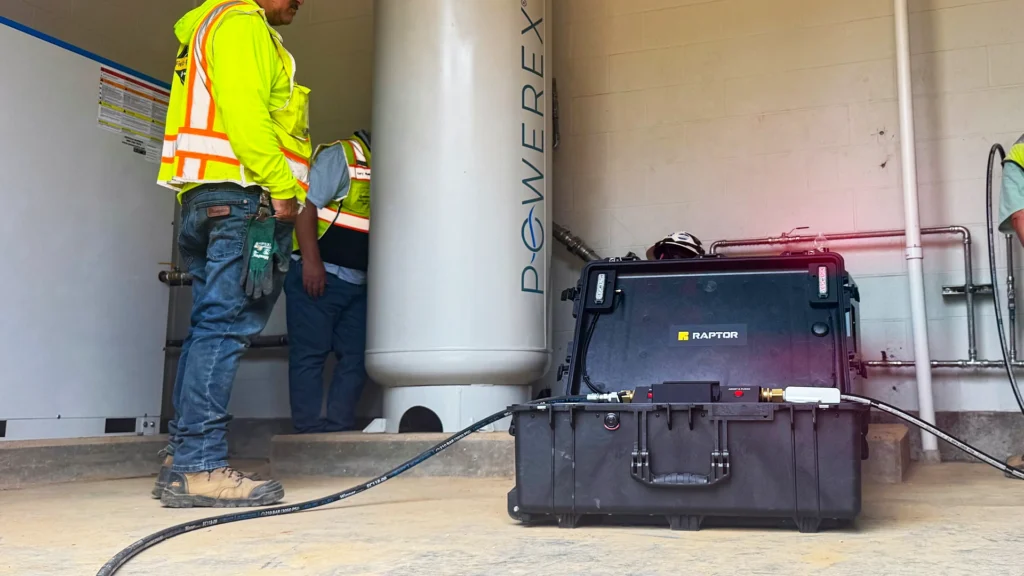
RAPTOR Device Advances to Model 2.5, Completing First Field Test
Learn the latest developments from one of the first Big Pitch winners. Discover how Dysruptek is helping advance safer pressure testing.
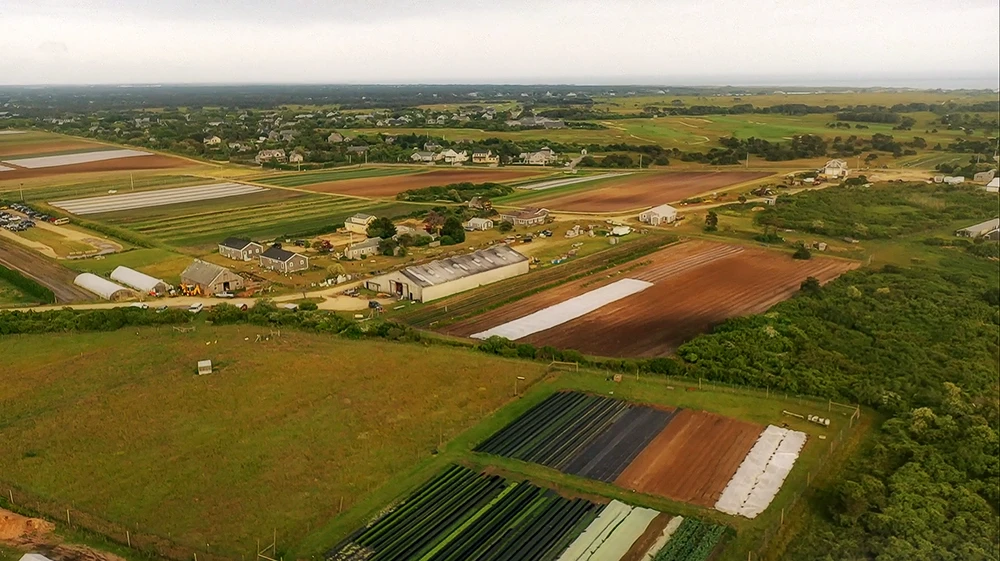
An Adventure in Nantucket, Restoring Distillery Automation
Learn how Haskell Subject Matter Expert Alan Green brought custom solutions to Triple Eight Distillery to upgrade an overmodified system.
How AI and Digital Twins Are Shaping Industrial Analytics
Discover how stronger data foundations and planning tools are improving operations. Explore insights on capacity planning, supply chains and modeling.
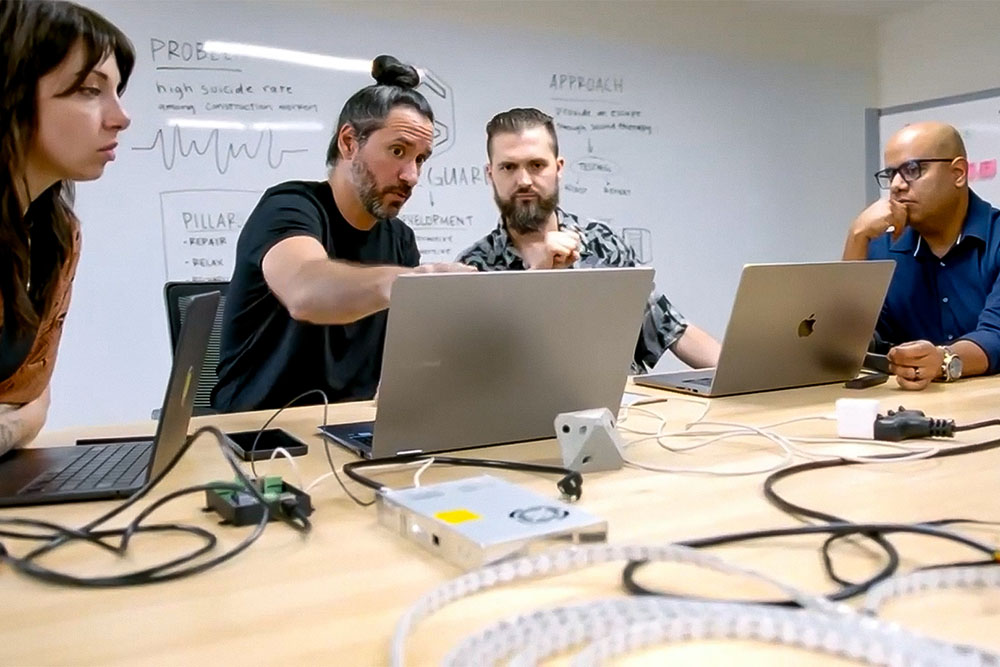
Castano Group’s Big Pitch Production Brings Home an Addy Award
Learn how this frequent Haskell collaborator creates award-winning projects and watch the Big Pitch video that earned.