

A phased master plan unified cardiovascular services across a complex campus.
Emory University Hospital partnered with Haskell to implement a multi-phase strategic vision for its cardiovascular service line, spanning both the historic hospital and the new addition bridging Clifton Road. Because patients move frequently between outpatient diagnostics, procedural suites and inpatient care, the design approach mirrored the precision of a phased departmental renovation-focused on maintaining continuity of care while minimizing construction disruption. This coordinated effort allowed the health system to align operational goals with long-term growth across a distributed campus.
Targeted renovations and expansions improved capacity and optimized care delivery.
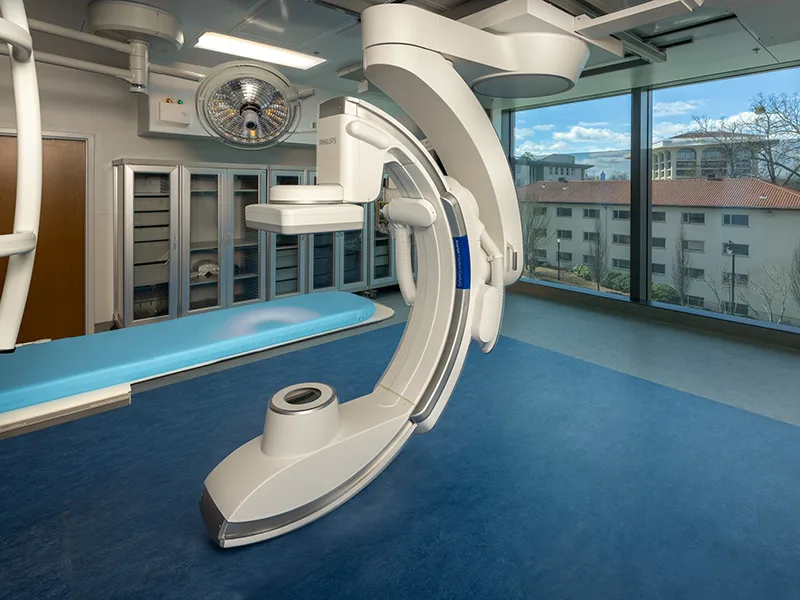
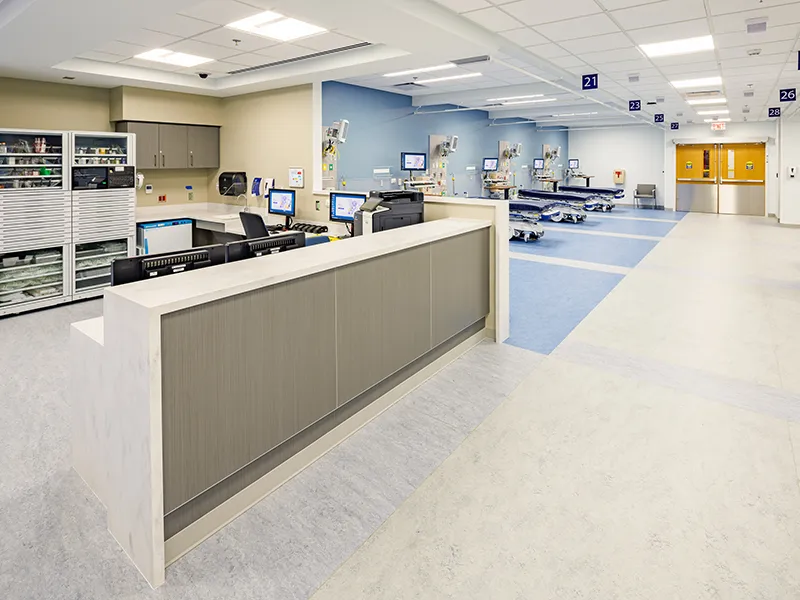
The initiative encompassed five interconnected project sites, including an outpatient Critical Decision Unit, medical/surgical and critical care beds and a next-generation interventional platform. Increasing cardiovascular care capacity required strategic reallocation of space and services: Shifting demand away from inpatient units and the Emergency Department through a dedicated Critical Decision Unit improved bed utilization; converting an underused med/surg unit into a cardiovascular-specific floor strengthened resource efficiency; and expanding critical care beds adjacent to the Interventional Platform enhanced patient safety and the management of complex cases. Each move contributed to a more aligned, high-performance cardiovascular ecosystem.
Integrated planning enabled a high-complexity procedural platform and a seamless patient journey.
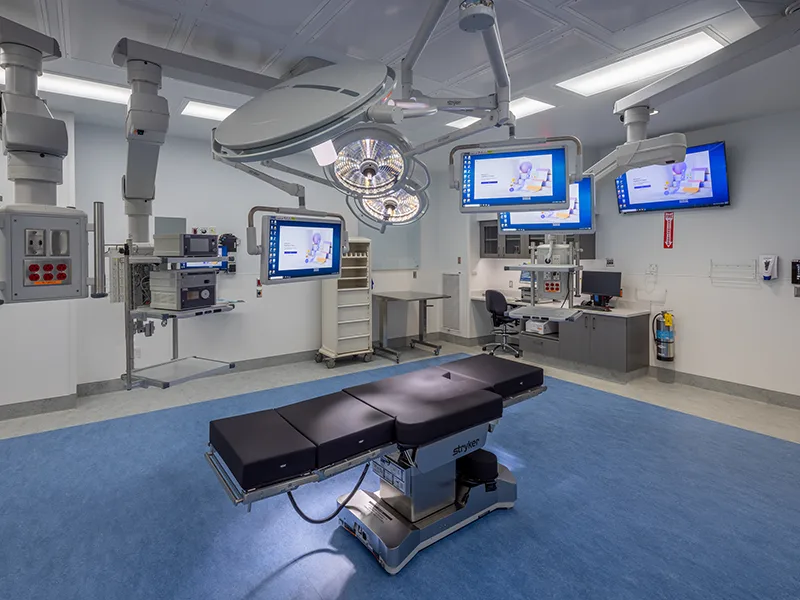
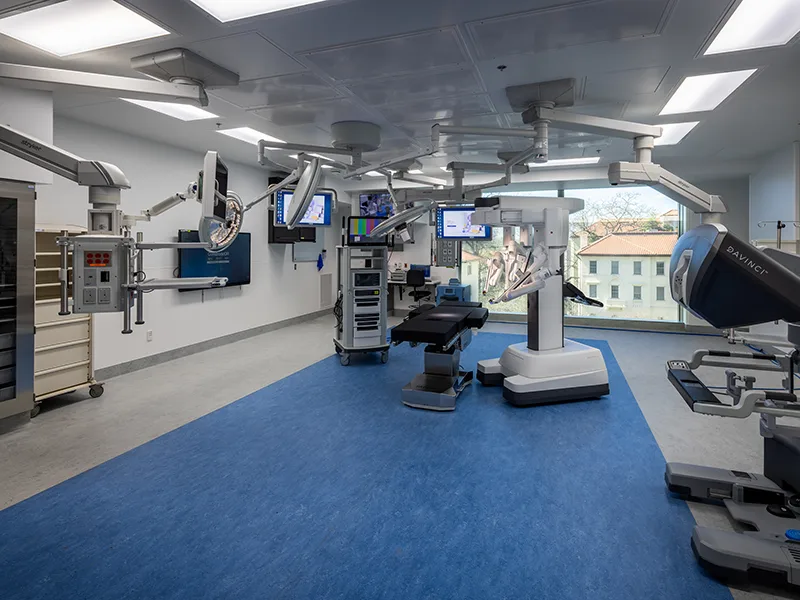
The new Interventional Platform and ICU occupy the hospital’s newest wing, while essential support functions remain across Clifton Road in the older facility—a condition requiring meticulous planning and coordination. Designing a platform capable of supporting 14 operating rooms was a significant undertaking, further intensified by the need to co-locate Pre/Post areas, Cath and EP labs, Cardiac Surgery, Robotics, Structural Heart and Cardiothoracic Surgery. Bringing these programs together maximized space efficiency, streamlined workflows and created opportunities for shared staffing and resources. Throughout the phased rollout, Haskell’s leadership helped guide stakeholders through decisions about future-state spaces not yet physically realized, ensuring a safe, intuitive and uninterrupted patient experience across the campus.
Related Topics
Talk to a Subject Matter Expert
Project Highlights
Cardiovascular services
Phased clinical renovation
Phased service line implementation
Capacity & capability improvement
Cross-functional space and workflow utilization
Related Projects
Safety Harbor, Florida
BayCare Mease Countryside Hospital Pavilion

San Antonio, Texas
CHRISTUS Health Santa Rosa Hospital
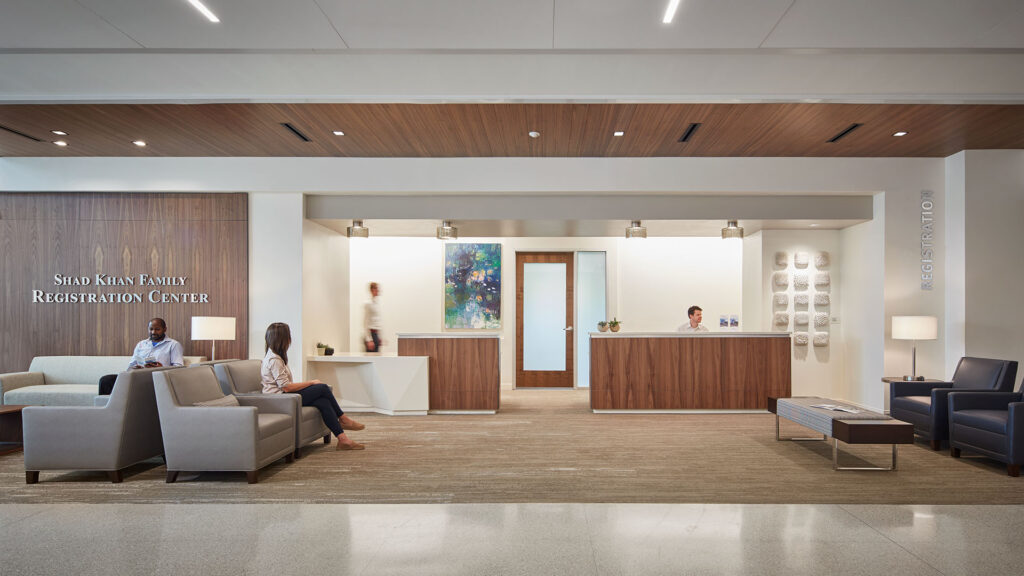
Jacksonville, Florida
Baptist MD Anderson Cancer Center
Related News & Insights
Healthcare Designer Helps Launch Jacksonville’s The SPOT
Explore Kristen Argalass's work making The SPOT an accessible place for connection and mental health support through a community-based model.
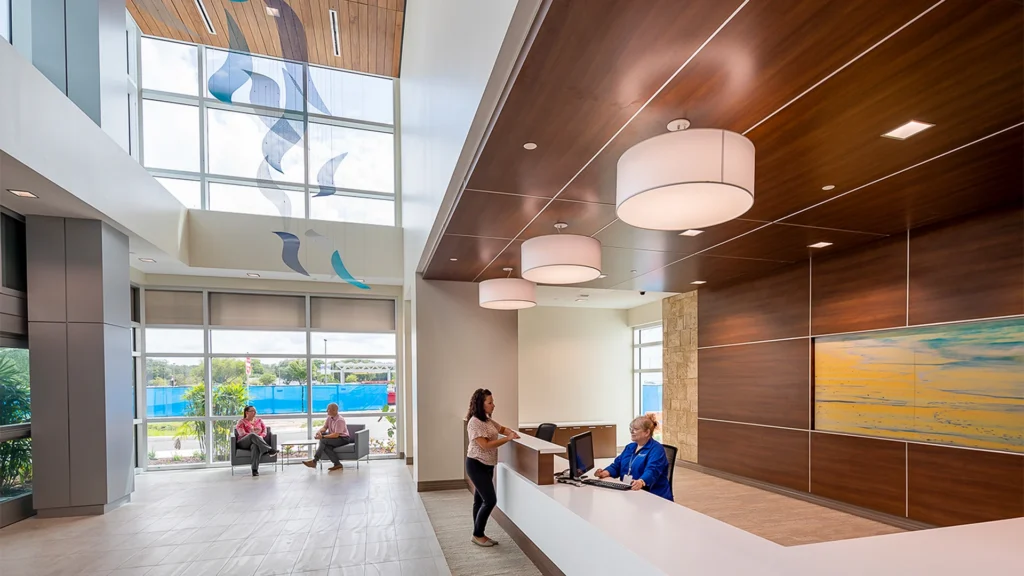
Healthcare Security Works Best When Planned from the Start
From egress planning to AI surveillance, learn how proactive healthcare security design improves safety without compromising patient experience.

Micro-Hospitals Offer a Scalable Path for Rural Access
Learn how micro-hospitals differ from traditional facilities and why community education can shape adoption. See Northeast Georgia Health System’s approach; Lumpkin County micro-hospital.
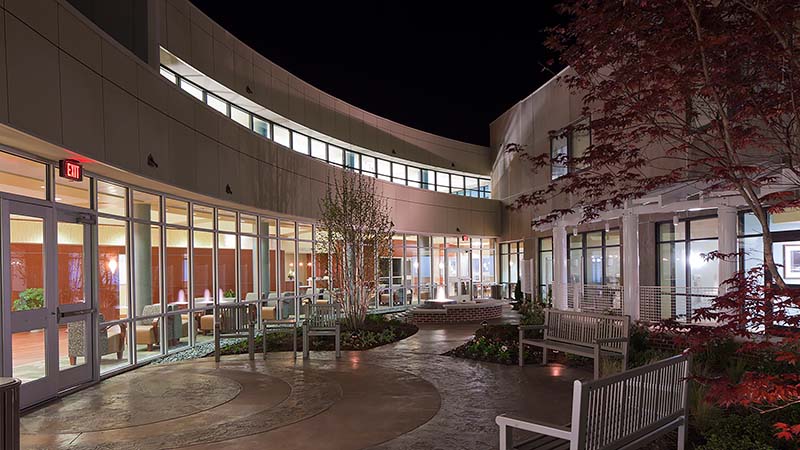
The Human Experience is Vital in Shaping Good Healthcare Design
Each facility is unique, but some factors related to patient, staff and family wellbeing consistently offer opportunities to optimize the healing environment.