

Adapting Global Design Standards to the Nuance of Local Regulation

Learn how Haskell's international design teams provide adaptive thinking and cultural insight so every project meets world-class and community standards.
Global standards set the benchmark for design and project delivery, but local expertise ensures they work in practice. In the Philippines, where regulations vary between municipalities and construction practices differ, striking a balance between the two becomes essential.
Haskell teams bring that balance to life through collaboration across regions and disciplines. Erika Antonio, Design Manager of Haskell’s Design Center in the Philippines, sees firsthand how international best practices are adapted and implemented locally.
“International standards cater to a wide audience, but not everything is always applicable here,” she said. “Our team studies which standards make sense, updates our training to stay current and applies them appropriately to the Philippine setting.”
Local knowledge helps clients navigate complexities outsiders may miss. Interpretations of national building codes vary from city to city, so design approval is never one-size-fits-all. Consulting with local authorities early makes a significant difference, especially for large and complex projects.
In addition to their local roles, Philippine designers are members of Haskell’s International Design Center, delivering high-quality design for projects worldwide.
Exposure to different methods informs their local work.
“Bridging global with local means being mindful of global practices while never being limited by the norm in a local setting,” Antonio said. “We do constant research, engage subject matter experts across Haskell and explore new methods to provide the most appropriate solutions for each project.
“There is an emerging generation of architects and engineers here who are innovative, technically strong and eager to make their mark. That energy and skill make the Philippines a powerful contributor to Haskell’s regional design capabilities.”
Ivette Teran, Design Manager at Haskell’s Latin America Design Center, said collaboration across regions strengthens that foundation.
“Mexico has developed significant expertise through diverse global projects, especially those with strict design requirements,” Teran said. “We work with the Philippines team not just on execution, but also on training and quality oversight. That cross-regional approach helps raise the bar consistently.
“When one team encounters a challenge, others don’t need to face it again. We refine our strategies together, which saves time, improves quality and creates better solutions for clients.”
Collaboration across time zones and cultures has been a catalyst for innovation.
“When our teams in Manila connect with colleagues in Mexico or Singapore, we don’t just share drawings or data, we share ways of thinking. That diversity of perspective allows us to solve problems in more creative and efficient ways.”
Daniel Aguilera, Director of Design Support Services for The Church of Jesus Christ of Latter-day Saints, said the combination of an international perspective and local presence has benefited the Church’s Philippine temple projects.
“Our global frameworks set expectations for quality, cost and efficiency,” Aguilera said. “But the success of these projects depends on how well we integrate local culture, codes and practices. For temples especially, the design must resonate with local members so they feel it belongs to them.
“Philippine teams bring essential knowledge of codes, construction methods and customs. Their input ensures the project not only meets global standards but also reflects the community it serves.”
Together, these insights highlight what makes Haskell’s global-local model effective. Technical rigor and consistency are maintained across regions, while teams adapt creatively to local needs. Strong leadership, knowledge sharing and cultural sensitivity make this possible, ensuring that every project reflects Haskell’s global standards and the uniqueness of the communities where it builds.
“Clients in the Philippines appreciate that they are getting both world-class expertise and a deep understanding of the local context,” Aguilera said. “That combination is not something they find every day.”
Haskell strikes a powerful balance between local knowledge and global scale. Contact Haskell to ensure certainty on your next capital project.
Related News & Insights
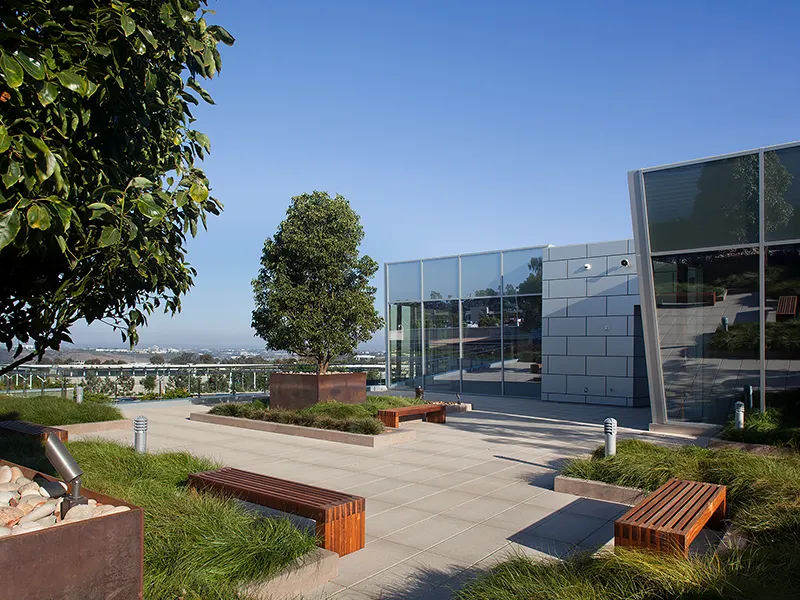
Integrating Landscape Architecture Improves Experience and Performance
Learn how Landscape Architecture aligns scope, budget and design intent, supporting permitting and reducing risk. Design solutions for long-term value.

Architect Janel LeGard Relishes Designing Buildings, Building Careers
Get to know the longtime Haskell team member, who says she was 'born to be an architect' and who shares her talent and inspiration as a mentor.

AnnMarie Jackson Earns Living the Values with Energy, Collaboration
Learn how Jackson’s collaborative approach to interior design improves functionality, supports users and strengthens project teams.

Case Study: Design Features Help Reduce Potential for HAIs in ICU
In a recently completed ICU project, Haskell designers included numerous measures to reduce the risk of contamination and post-discharge infections.