

Why OTAs Are Transforming Federal Construction and Procurement

Learn how Haskell is using Other Transaction Authority agreements and collaborative delivery methods to expedite facilities from funding to construction.
Federal construction has long operated with a familiar rhythm. Agencies secure funding, procure an architect to develop bridging documents, advertise a second time for a design-build contractor, complete design and finally begin construction. The process is thorough, but it is also slow, often adding years between Congressional funding and a completed facility.
That model is beginning to change.
Driven by the Defense Innovation Unit (DIU) and expanding authority across the federal government, agencies are increasingly embracing Other Transaction Authority (OTA) agreements and collaborative delivery methods such as Progressive Design-Build and Design-Build to Budget.
Together, they represent one of the most significant shifts in federal project delivery in decades, aimed at accelerating schedules while encouraging greater innovation and collaboration.
Haskell has been at the forefront of the transition.
A different way to buy construction
Unlike traditional Federal Acquisition Regulation (FAR)-based contracts, OTAs give agencies flexibility to negotiate agreements around innovative solutions. Congress has taken several steps to address and expand their use, particularly in defense and homeland security contexts.
Under the traditional delivery model, agencies procure architectural services first, develop bridging documents, then issue a second solicitation for a design-builder. Each step requires its own procurement process, often extending schedules for years before construction begins.
The OTA model compresses those early stages by asking industry to respond directly to a defined problem. Rather than prescribing a complete scope and soliciting bids against it, DIU describes the outcome it needs and invites companies to propose solutions.
“With the OTA methodology, when Congress says, ‘Here’s the money. Go build your barracks or go build your child development center,’ the agency immediately moves into this problem statement/solution methodology,” said Matt Ferguson, Haskell’s Federal Market Leader. “In a matter of three to four months, they have a selection and a negotiated agreement, moving forward with full design. You’re not going through a bridging document set. You’re not going through a bidding process, an advertising process, and then doing that a second time when you’re ready to issue the bridging documents.”
The result is a dramatically shorter path from funding to project execution.
Collaboration replaces rigidity
Because OTA agreements are negotiated rather than prescribed entirely by regulation, owners and contractors can work together to develop scope, evaluate alternatives and align the project with available funding before finalizing the agreement.
DIU’s solicitation process begins with a problem statement. Interested companies respond with a concise proposed solution, either in a short written submission or presentation format. DIU then selects a group of respondents to advance to a pitch, where teams explain their proposed approach in greater depth.
The final stage functions as both a request for proposal and a negotiation. The agency and selected company refine the scope, review the agreement’s terms and conditions and develop pricing based on the solution taking shape through those discussions.
“That’s very unique in federal contracting,” Ferguson said. “The fact that we discussed terms and conditions of the agreement, that’s revolutionary in delivering federal work.”
While agencies can still choose to structure an OTA around familiar FAR requirements, they also have the flexibility to adopt commercial practices where they create value, including discussions around liability, bonding and other contractual considerations.
Solving the problem before proposing the project
Haskell’s first OTA emerged through that process, resulting in the renovation of barracks at Fort Campbell, Kentucky. Ferguson said the company’s success came from understanding that the government wasn’t simply seeking another design-builder.
The problem statement read, “The Department of Defense (DoD) seeks to prototype innovative design and construction techniques and materials in order to improve the energy and water efficiency of its existing building infrastructure. Therefore, the DoD is seeking new approaches, potentially turnkey, for the net zero design and renovation of existing buildings.”
“The problem statement was not, ‘Can you design and renovate a barracks?'” Ferguson said. “It had to do with energy. We focused highly on that element and then said, ‘By the way, we’ve got this team that not only can use this innovative solution to your problem, but we can also deliver it, because we do this all the time.’ I think our integration separated us.”
Haskell’s agreement required development of a 35% design for the renovation within 126 days. When it met that in January 2026, it received its first “success memo.” A second success memo was issued to Haskell at the completion of the 100% design. The next milestone will be at the end of the project.
Enabling new delivery models
OTAs are also becoming an important contracting tool for emerging delivery methods, such as Progressive Design-Build and Design-Build to Budget, approaches that emphasize collaboration, early cost certainty and continuous alignment between design decisions and available funding. Haskell is already applying those methods.
The company is delivering Coast Guard Station South Padre Island in South Padre Island, Texas, which, when it was awarded, was the largest single task order in the history of the Coast Guard’s military construction program and its first project using an accelerated Design-Build to Budget approach.
Interest from across the federal marketplace has followed.
“The Navy said, ‘There’s an accelerated Design-Build to Budget project going on in Texas, and we’re watching that,'” Ferguson said. “We’re hearing it from the agencies at headquarters, too, that they’re talking to the Coast Guard and they’re watching how this goes.”
Leaders from agencies including the U.S. Army Corps of Engineers and Naval Facilities Engineering Systems Command (NAVFAC) are actively developing implementation guidance for these delivery methods while adopting Design-Build Institute of America (DBIA) best practices rather than creating entirely new standards.
“They said, ‘It already exists. It’s already out there. You guys are already familiar with them. We’re just adopting DBIA best practices, then we don’t have to recreate anything.’ That was a huge decision,” he said.
Positioning for what’s next
Ferguson said OTAs, Progressive Design-Build and Design-Build to Budget were interconnected pieces of a broader transformation in federal project delivery, one driven by the shared objective of delivering facilities faster while preserving quality and accountability.
The challenge today, he says, is awareness. Many agencies now have the authority to use OTAs but remain unfamiliar with how the agreements work or that proven OTA vehicles already exist.
“What the agencies need to know is that Haskell has an OTA, and they can use it to deliver similar types of solutions,” he said. “The OTA is going to be the contract tool that’s going to allow them to do Design-Build to Budget and Progressive Design-Build, and we’re seeing right now it’s starting to happen. This is the direction that everything’s heading.”
Haskell has extensive experience in a wide range of Federal project types and ensures optimal outcomes, within budget and on schedule. Contact us to discuss your facilities needs.
Related News & Insights
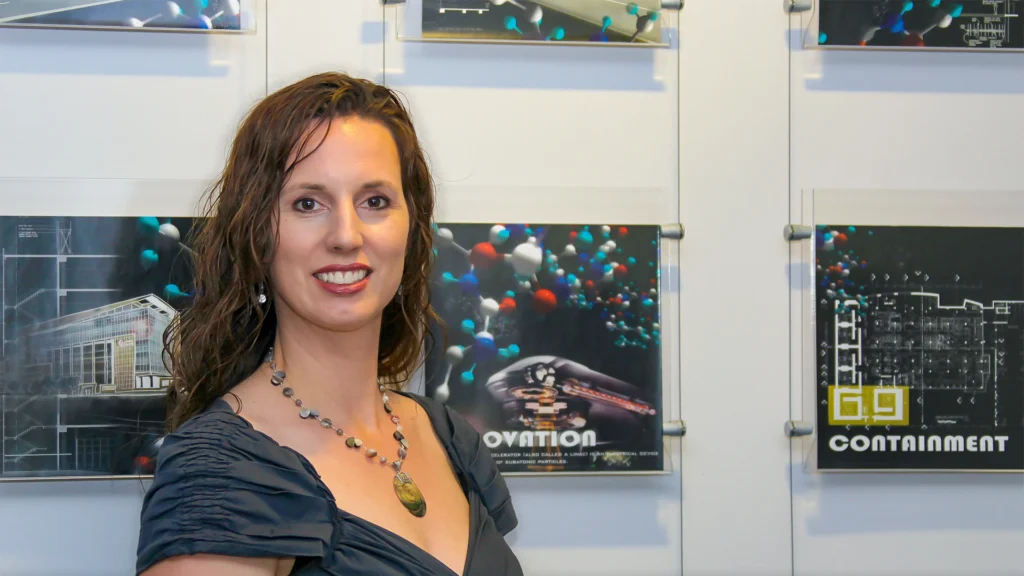
Visionary Leadership: Crafting Tomorrow’s Government Environments
Discover how Tomra Russell's unique perspective as a Navy spouse and design expert fueled her design success and led to a role as Vice President.
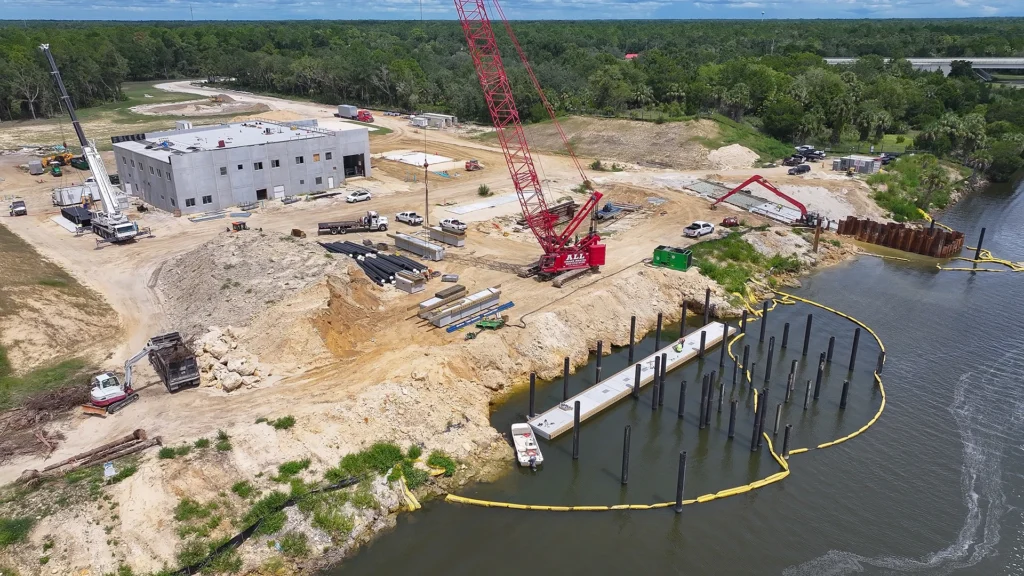
Coast Guard Project Informs Long-Term Sustainability Goals
Learn how Haskell reduces jobsite environmental impact. Discover how teams can leverage existing data to produce key sustainability metrics.
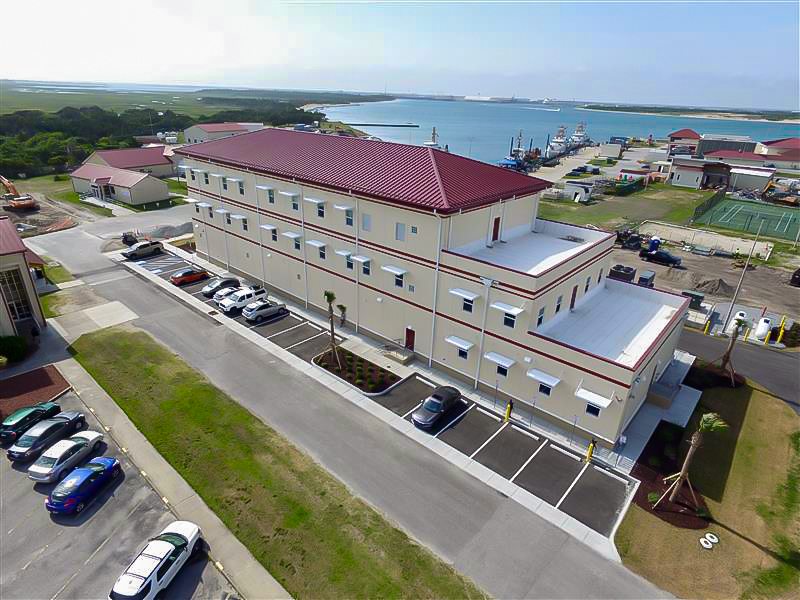
U.S. Coast Guard Facility Earns Multiple AEC Industry Awards
Learn how this multi-mission building redefined federal projects, earning ABC and DBIA awards through self-performance and integrated project delivery.

Four Haskell Projects Win ’24 Honors from Regional Chapter of ABC
Learn how dedication to project timeline, safety standards and quality bring four of Haskell’s latest projects to the prestigious ABC Eagle Awards.