We provide an opportunity to grow in an environment that encourages innovation and creativity.
Meaningful Experience
As one of the few truly integrated design-build firms in the United States, we offer experience in all activities necessary to bring a project to fruition. Team members work alongside experienced and talented professionals in all disciplines across a wide range of projects.
Lifelong Learning
In addition to valuable on-the-job training, we provide a wide variety of educational opportunities:
- Quality
- Safety
- Design-Build Process
- Construction Management
- Design and Design Management
- Craft Training
- Computer Applications
- Advanced Business Training
- Team Leadership
- Effective Negotiation
- Communication and Presentation Skills
Customized Career Development
Team members participate in one-on-one development discussions with supervisors, an experience designed to foster growth. Team members also have access to a tuition reimbursement program that helps maintain formal education progress or professional credentialing.
As your skills develop, you’ll plan and track progress on one of the industry’s most comprehensive tracking systems – the Haskell Learning Management System (HLMS), your personal roadmap for professional development.
Stronger Together
Our programs create an atmosphere in which you can excel alongside bright and talented colleagues. Your growth makes us a stronger company, which fuels success and opportunity for all.
Talk to a Subject Matter Expert
Related News & Insights
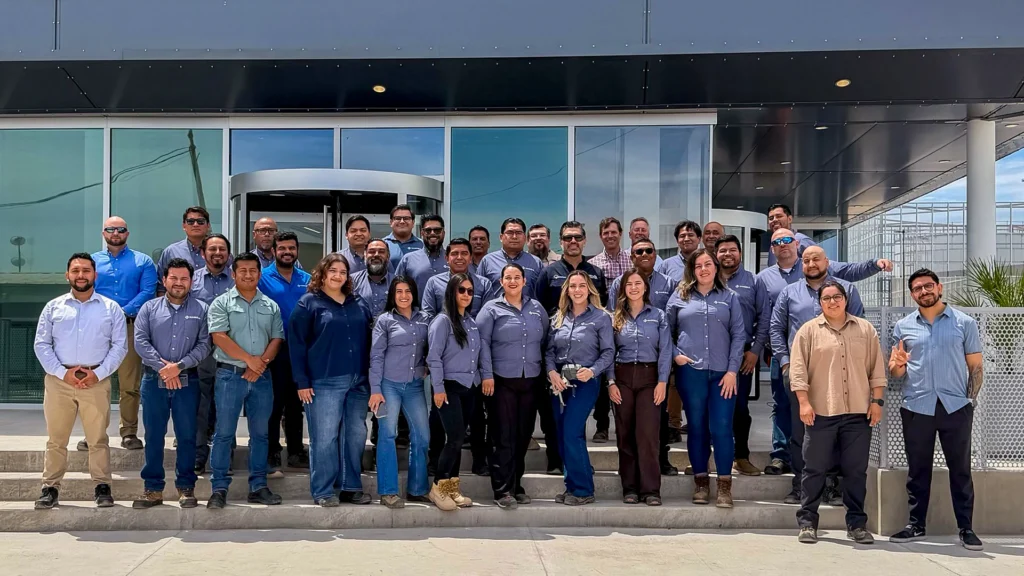
Haskell Mexico Turns NOM-035 Into a Framework for Trust
Learn how employee feedback, leadership accountability and continuous improvement reduce psychosocial risks and protect workplace well-being.
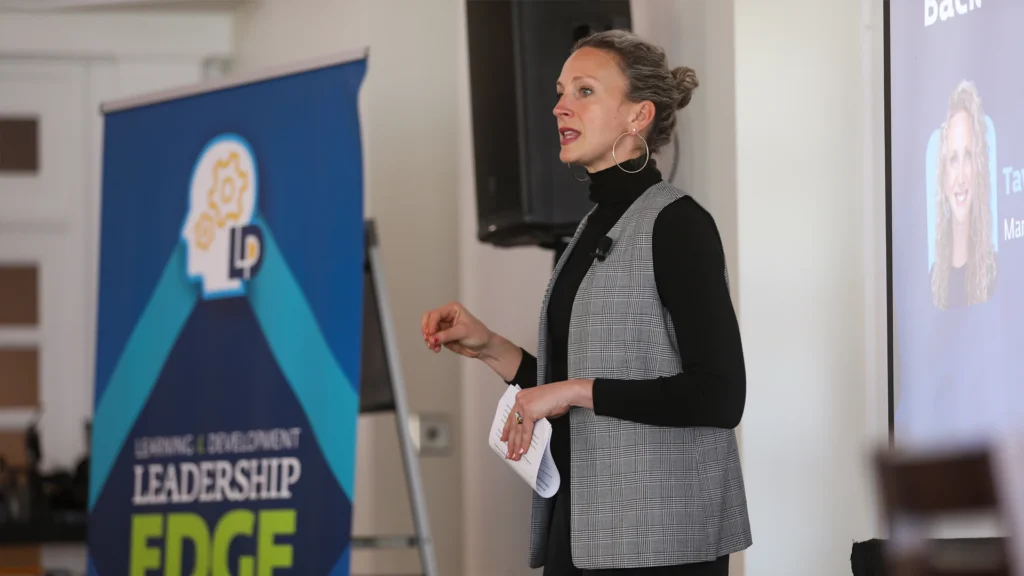
Developing Leaders, Building the Future at Haskell’s Edge Retreat
Learn how candid stories, expert perspectives and small-group conversations helped Haskell leaders examine what it means to lead with courage.

Meet the Engineer Behind Products on America’s Grocery Shelves
For Craig George, automation is personal: It is the code on a carton, the cookie on a shelf and the team that made both possible. Learn more, and join us.

Turning Manufacturing Challenges Into Shared Solutions
Learn how the Livermore Project Integrator built her career by connecting teams and helping complex production systems perform as designed.