Haskell and Partners Produce Safe, Speedy Design-Build Project

Learn how Haskell and its partners achieved 150,000 safe man-hours while rapidly delivering Bang Energy’s new manufacturing facility in Phoenix.
Haskell and its partners on March 12, 2020, celebrated the remarkable feat of 150,000 man-hours worked without a recordable safety incident during the creation of Bang Energy’s new manufacturing facility in Phoenix, Arizona.
“Safety is paramount at Haskell,” Project Director Juan Carlos Salom said.
Such a glowing safety record — 100,000 safe hours by Haskell and another 50,000 across fellow general contractors Krones and APG, and more than a dozen subcontractors — shines all the brighter given the compressed timetable of the Bang Energy. Simply, demolition began September 28, 2019, and the first of two can-filling lines will be ready for production by mid-April.
“Working with all three GCs in a design-build methodology, we were able to execute a 10-month build in six months,” said Mark Koenig, Bang Energy’s vice president of engineering services. “I don’t know of anybody in my career who has been able to do that.”
Koenig, who spent 20 years as an engineering director for PepsiCo, joined Bang nine months ago to lead it in establishing and internalizing its manufacturing capability. When Koenig arrived, the company already had plans for the 400,000-square-foot former water-packaging facility, an aggressive timeline, and a design and engineering partner that wasn’t up to the task.
From his decades of service with PepsiCo, he knew Haskell would be.
“We immediately switched gears and brought the Haskell group onboard,” he said.
Haskell was proactive in working through the City of Phoenix’s accelerated permitting process, so much so that it received demolition approval two days before Bang Energy took ownership of the property. That expedited pace continued through permitting for underground, foundation, and building.
Once it began, work proceeded nonstop. Literally. Salom said that through unique agreements with more than a dozen subcontractors, unconventional procurement agreements, extensive planning, and exhaustive logistical support, work proceeded at a consistent 24/7 pace.
Haskell’s scope of work encompassed tenant improvements; foundation work, demolition, reinstallation, and sealing of flooring; and utilities. Krones provided the manufacturing and installation of the filling line, while APG was responsible for the processing lines.
The result was a facility that soon will produce two 1,800-can-per-minute lines, increasing Bang Energy’s annual production five-fold to 100 million cases per year. It’s a result by which Koenig could not be more impressed.
“It’s one thing when you own a facility, and you’re putting a can line in with existing infrastructure,” he said. “But to repurpose a water-packaging facility into a carbonated energy drink facility in six months — I can’t find anything in the industry that even remotely equates to the compression that we executed against.
“We’re standing on the shoulders of giants.”
Related News & Insights
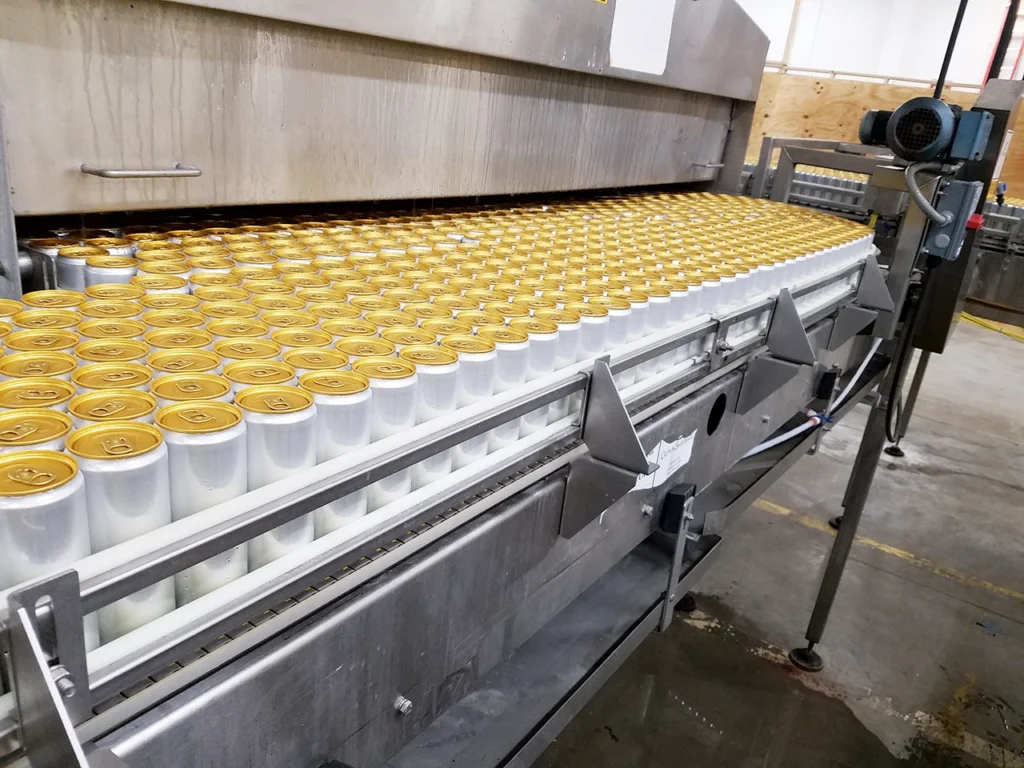
Planning a Functional Beverage Line for What Comes Next
From cold-chain needs to supplier risk, functional beverages require decisions beyond formulation. Learn how to create an adaptable facility.
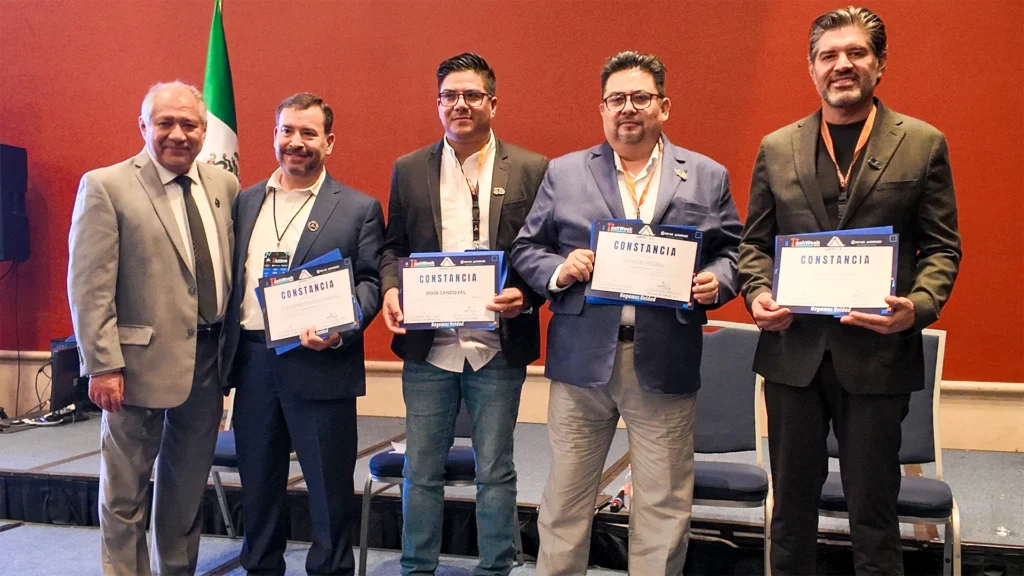
TechWeek Message: Early Integration is Key to Outcomes and Quality
Explore how data centers and modular projects each demand the same discipline: resolve critical details early and carry quality through every phase.
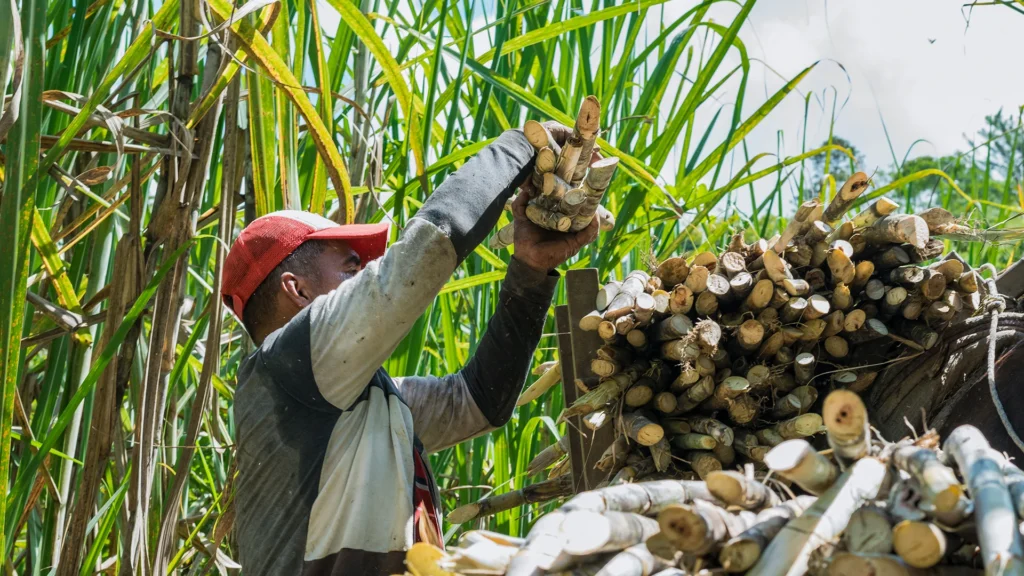
How Pure Cane Sugar Can Reshape American Beverage Operations
Explore the supply chain, infrastructure and production considerations beverage manufacturers face when introducing pure cane sugar.
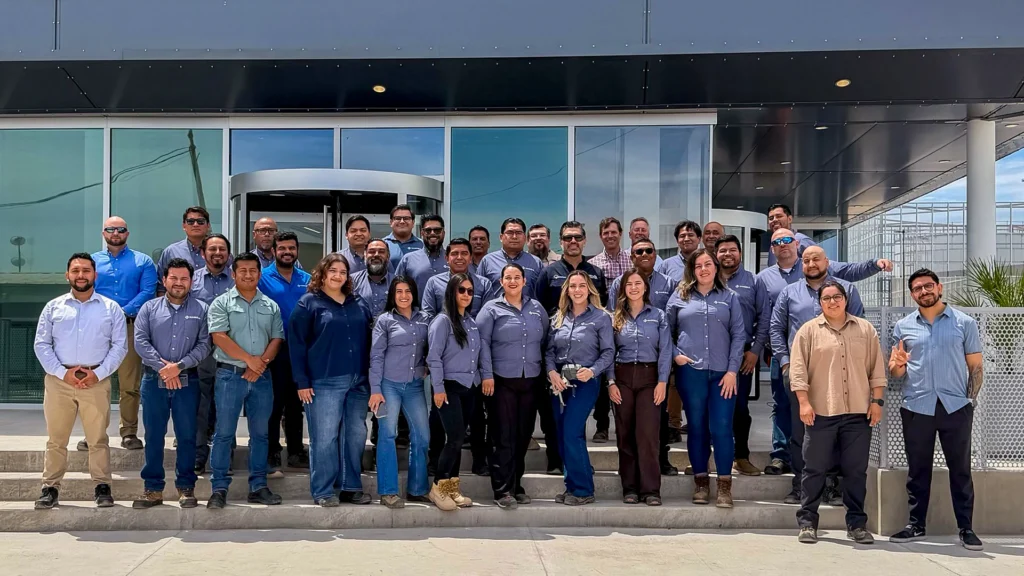
Haskell Mexico Turns NOM-035 Into a Framework for Trust
Learn how employee feedback, leadership accountability and continuous improvement reduce psychosocial risks and protect workplace well-being.