

Haskell Safety Experts Share Field-Tested Ways to Beat the Heat

Water, rest and shade are keys to staying safe in the summer heat. But in the event heat-related illness arises, identifying and treating it quickly is crucial.
With the extreme heat of summer upon us, Haskell’s award-winning Safety team has drawn upon the company’s expertise to share the field-tested knowledge and best practices that keep Haskell crews and contract partners safe on the job site.
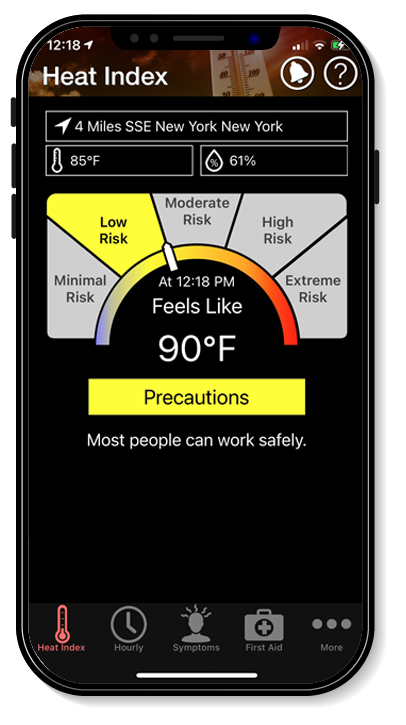
Based on its worldwide footprint, Haskell leverages expertise from all regions to develop and implement best practices that minimize team members’ exposure to heat-related illnesses. The same awareness and techniques that protect Haskell team members in some of the most extreme conditions can also protect you and your family on the ball field, at the beach or working in the yard.
Heat-related illnesses can be deadly. Thousands become sick, and more than 600 people die each year from preventable heat-related illnesses. Safety is always foremost among Haskell’s values, and preventing heat-related illness is vital to the company’s safety mission.
Haskell stresses preparation and best practices to preventing heat illness.
- Drink water every 15 minutes, even if you are not thirsty.
- Rest for 15 minutes every hour under normal heat conditions and every 45 minutes during extreme heat.
- Utilize cooling tents or shade to cool down.
- Wear a hat and light-colored clothing.
- Acclimate – be sure to get used to the heat and allow yourself to build up a tolerance.
Symptoms and Treatment of Heat-Related Illness
Heat-related illnesses include rashes, cramps, exhaustion and heat stroke. It’s important to learn the signs of each and understand what to do in the event of overexposure.
- Heat rash is caused by sweating and red clusters of pimples or small blisters that can appear on the neck, upper chest, groin, under breasts or in elbow creases. Treat by keeping the affected area dry and applying powder for comfort. Do not use ointments or creams.
- Heat cramps are muscle pains caused by the loss of body salts and fluids during sweating. Replace fluid loss by drinking water every 15 to 20 minutes.
- Heat exhaustion is a serious heat illness. Body temperature rises above 100.4° Fahrenheit (F)/37.8° Celsius (C). Other symptoms include headache, dizziness, thirst, weakness, nausea, confusion and heavy sweating. Treatment is required immediately and includes these steps.
- Move the victim to shade or an air-conditioned room.
- Apply cold compresses to the head, neck, and face
- Take frequent sips of water.
- Lay the victim flat and elevate their legs.
- Remove tight or heavy clothing,
- Mist or sponge the victim with cool water while fanning.
- Do not leave the victim alone, and seek medical attention if symptoms worsen or do not improve in one hour.
- Heat stroke is a medical emergency in which the body’s temperature-regulating system fails and body temperature rises above 104° F/40° C. Signs of heat stroke include confusion; unconsciousness; seizures; nausea; vomiting; and red, hot, dry skin. Call 911 immediately and practice the following steps:
- Move the victim to a shady or air-conditioned place.
- Remove as much excess clothing as possible.
- Wet the victim with cool water. If possible, place cold, wet cloths, wet towels or ice all over their body.
Related News & Insights

Haskell Mexico Turns NOM-035 Into a Framework for Trust
Learn how employee feedback, leadership accountability and continuous improvement reduce psychosocial risks and protect workplace well-being.

How a Madagascar Project Site Gamified Construction Safety Week
Learn how safety teams partnered with subcontractors and project teams to execute a week of fun-filled safety-themed games and activities.

Haskell Recognized Again for Industry-Leading Safety Performance
Learn how Haskell earned its fourth consecutive National Safety Excellence Pinnacle Award, reinforcing and rewarding its industry-leading commitment.

Construction Users Roundtable Taps Haskell ’24 CISE Award Winner
Learn about the significance of CURT's Construction Industry Safety Excellence Award and what it says about Haskell's dedication to leadership.