

Shaping Outcomes in an Uncertain Construction Environment

See how CM/GC delivery brings cost visibility into design. Learn how early collaboration helps align scope, budget and schedule.
Editor’s note: This article by Haskell’s Matt Williams was originally published in the Digested News 2026 Summer Issue.
The construction industry has always operated with uncertainty, but today that uncertainty emerges earlier and carries greater consequence.
While material price volatility has moderated in recent years, the market has not returned to pre-pandemic norms. Persistent labor constraints, long-lead equipment and evolving supply chains continue to influence project outcomes. For water and wastewater infrastructure, these pressures are compounded by regulatory requirements, aging systems and the need to maintain uninterrupted operations.
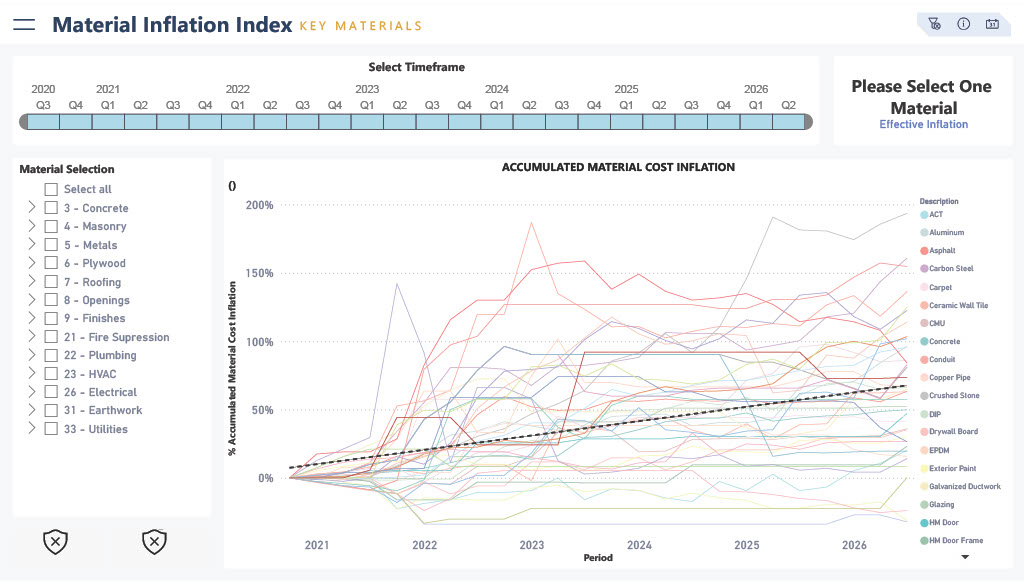
At the same time, owner expectations have shifted. Success is no longer defined solely by final cost or delivery date, but by how predictable and transparent the path to that outcome is.
In this environment, the greatest risk is not a single cost overrun — it is discovering misalignment too late to correct it efficiently. That reality is changing how project teams approach cost, design and decision-making. Estimating is no longer a checkpoint. It is becoming a continuous tool used to guide project outcomes as they evolve.
From cost validation to cost visibility
Traditionally, estimating has been treated as a validation exercise — a way to confirm whether a completed design aligns with a target budget. In today’s environment, that approach creates unnecessary exposure.
Leading owners are asking a more proactive question: not simply “What will this cost?” but “How do we shape this project to achieve the desired outcome?”
Answering that question requires estimating to inform decisions while flexibility still exists. When applied early and continuously, estimating provides:
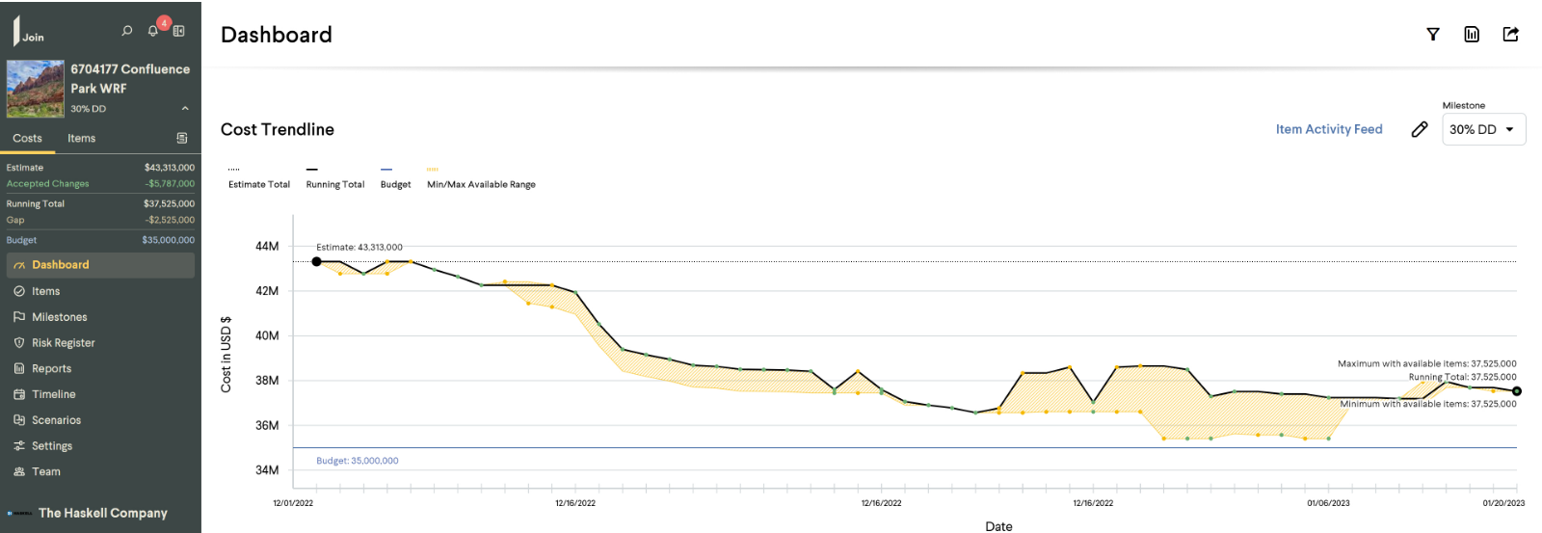
- Visibility into cost trajectory as design progresses
- Early identification of risks
- The ability to evaluate alternatives and adjust proactively
Rather than reacting to cost overruns, teams can guide projects toward alignment from the start.
Why CM/GC is gaining momentum.
Construction Manager/General Contractor (CM/GC) delivery is gaining traction because it changes when key decisions are made. Instead of bringing the contractor in after design is largely complete, CM/GC integrates construction expertise during design. This transforms estimating from a one-time pricing exercise into an ongoing input that informs design, schedule and constructability in real time. This early involvement allows teams to:
- Understand how design decisions affect cost before commitments are locked in
- Evaluate alternatives while options remain viable
- Identify long-lead risks and adjust procurement strategies
- Maintain alignment between scope, budget, and schedule
Visibility is especially valuable on municipal wastewater projects, where funding, regulatory compliance and operational continuity intersect. It allows informed decisions early, when they are less costly and more impactful.
Transparency drives better decisions
A defining feature of CM/GC is its open-book approach to cost. The full project team has access to:
- Detailed cost breakdowns
- Market-based input from subcontractors and suppliers
- Clear identification of risk and contingency
Transparency enables better decision-making. Owners can evaluate trade-offs early, whether that means accelerating procurement to protect schedule or adjusting scope to maintain budget.
It also reduces inefficiencies common in traditional delivery. By collaboratively managing risk, teams avoid layering excessive contingencies, improving cost accuracy and making better use of project dollars.
Shaping the project before it shapes you
The advantage of early alignment becomes most visible during preconstruction. Through structured preconstruction, teams can:
- Develop progressive estimates as design advances
- Align procurement with market conditions
- Secure long-lead equipment early
- Evaluate alternatives that improve cost, schedule or performance
This approach shifts the contractor’s role from estimator to strategic partner. Instead of reacting to risk later, the team works to identify and manage it from the outset.
Delivering confidence, not just a number
Traditional delivery methods often defer cost certainty until late in design, when flexibility is limited and changes are expensive. CM/GC reverses that dynamic. Continuous estimating, cost trending and collaborative review maintain alignment from concept through construction, providing cost clarity and confidence in the outcome.
For public wastewater owners balancing technical complexity and ratepayer impact, that confidence is critical.
A better path forward.
Uncertainty will remain a constant in construction. The organizations that succeed will not eliminate it but manage it differently.
Collaborative delivery models like CM/GC provide a framework that replaces uncertainty with visibility, reactive decisions with proactive strategy and siloed roles with integrated teams. Most importantly, they enable teams to move beyond tracking cost and allow them to shape outcomes. And in today’s environment, that distinction makes all the difference.
 About the Author: Matt Williams is Haskell’s Industrial Water Market Leader. Matt excels at helping public and private project owners provide clean water and responsibly handle wastewater. He earned his Bachelor of Science in Building Construction Management from the University of North Florida.
Related News & Insights
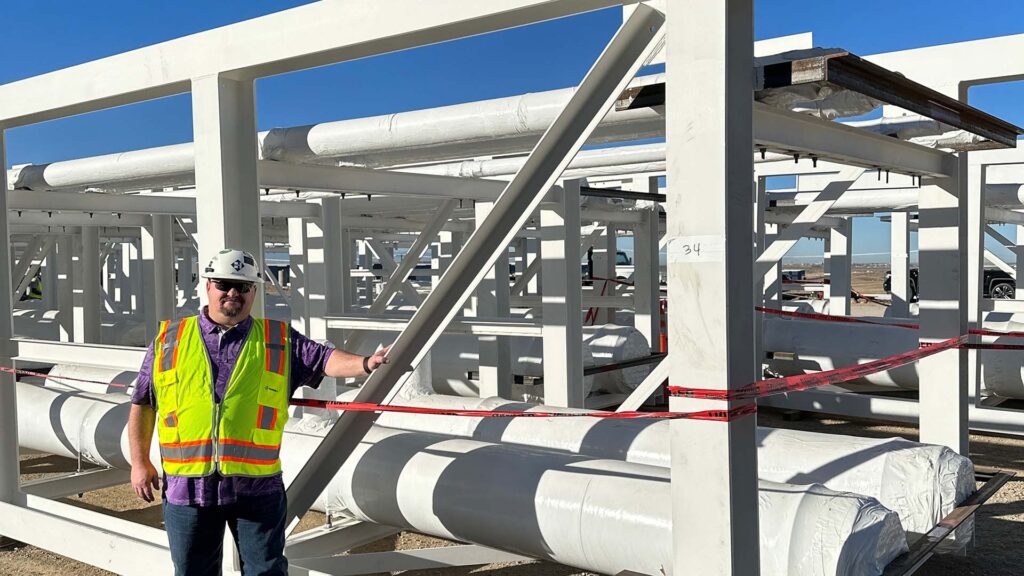
Fabrication, Sales and Service Underpin for Eric Jensen’s Leadership
Learn how the Haskell Superintendent's technical depth and people skills make him 'the glue that keeps it all together' on complex projects.
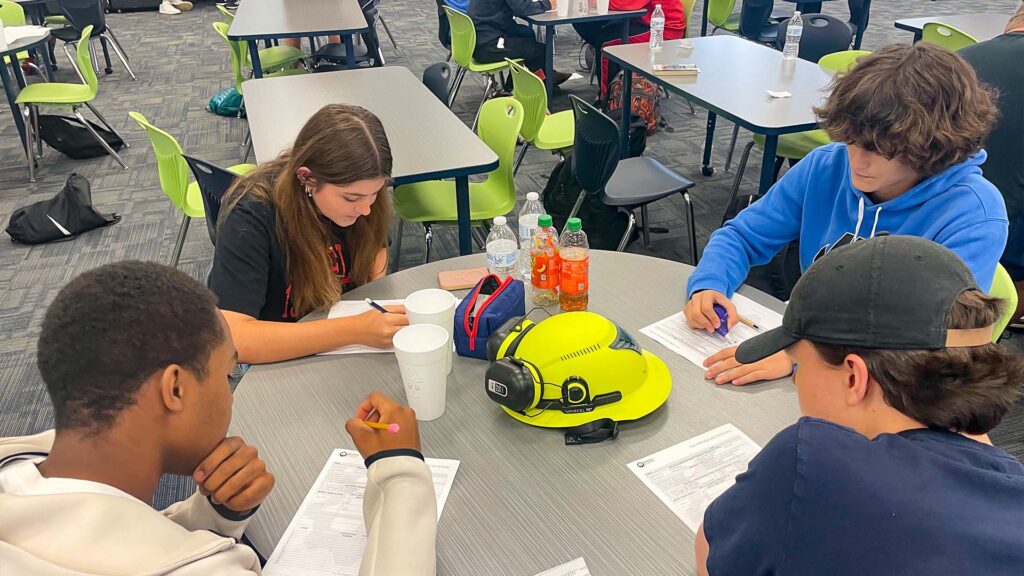
Haskell Partners with NEFBA to Expand Construction Trade Education
Learn NEFBA's vision for a state-of-the-art home for the next generation of skilled labor. See how Haskell invests in the future construction workforce.

BIM Leader Leo Dino Buera Honored with Living the Values Award
Explore how Buera has helped build Haskell Philippines, playing a collaborative role and successfully coordinating global BIM integration initiatives.
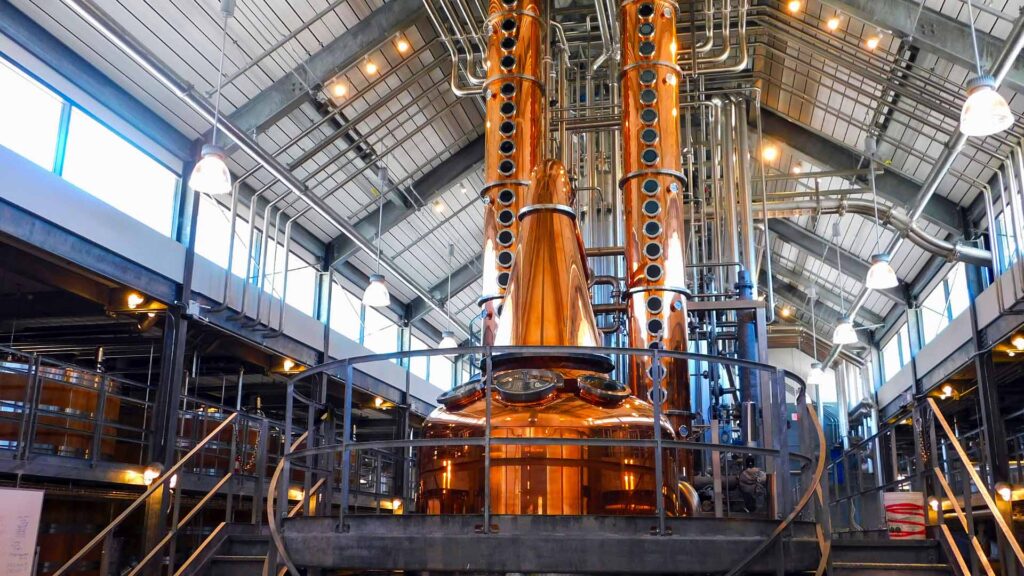
Integrated Expertise That Drives Results in Beer, Wine and Spirits
Learn how, with all disciplines under one roof, Haskell delivers highly complex, sustainable, turnkey beverage facilities with speed and certainty.