

How Careers in Construction Open Doors and Create Opportunity

Discover how five Haskell team members entered construction and how mentorship and new responsibilities drove their careers.
The theme of Construction Inclusion Week 2026 is “Opening Doors, Building a Workplace for Everyone.” People grow when their experience is valued, their potential is recognized and they have room to take on something new. That belief connects directly to Haskell’s core values of Team, Excellence, Service and Trust and its emphasis on personal and professional development.
Hear from five Haskell team members from different backgrounds, career stages and areas of the industry. Their work spans structural steel, self-performed construction, project management, field operations and Quality across the United States, Mexico and Asia-Pacific.
In their own words, they share how doors opened and how they plan to hold those doors open for others.
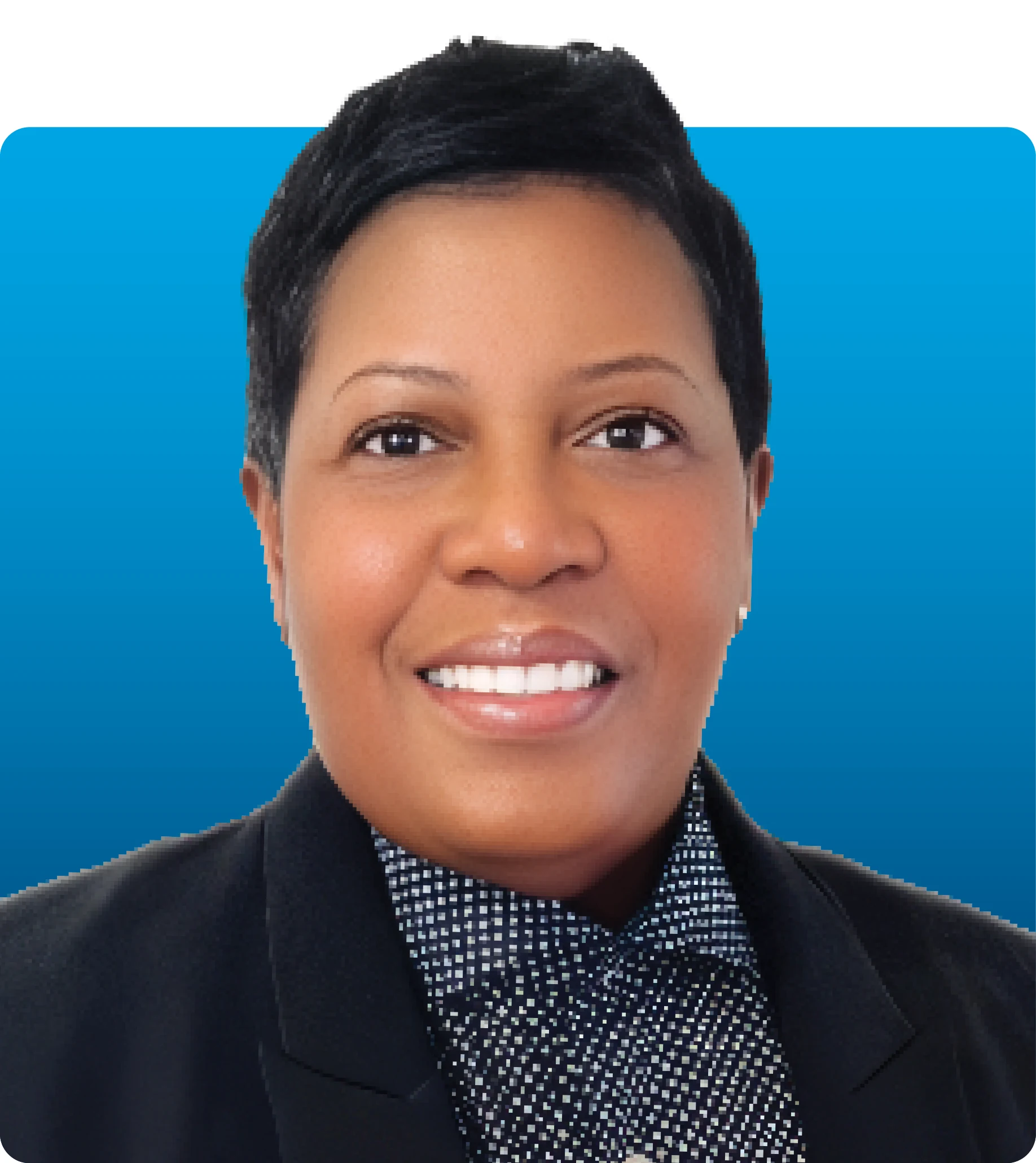
Experience That Transfers
Kimela Overstreet, Assistant Project Manager
Q: Who first opened an important professional door for you, and how did they help?
A: One of the most important moments in my career came when someone looked beyond my resume and recognized the leadership, discipline and problem-solving skills I developed during 20 years of honorable military service. That experience helped me understand that leading people, managing responsibilities and accomplishing a mission were transferable to construction. A military transition program provided the opportunity for me to demonstrate that I belong and can contribute consistently as a Haskell team member.
Q: What opportunity, conversation or encouragement most changed the direction of your career?
A: A major change came when I realized that I did not need to follow a traditional path to build a successful construction career. My background includes military service, technology and project management. Each experience gave me skills that prepared me for the next opportunity. Learning to view those experiences as strengths changed how I saw my career and gave me the confidence to enter mission-critical data center construction.
Q: What opportunity at Haskell challenged you most, and what did you learn from it?
A: Working on a large mission-critical data center project has challenged me the most. The pace, complexity and coordination among multiple trades require constant learning and awareness of field activities. I have learned that effectiveness does not depend on having every answer. It depends on understanding the schedule, asking the right questions, communicating with the right people and following an issue until it is resolved. The experience has strengthened my technical knowledge and confidence, and it has allowed me to become a key contributor to the project.
Q: What do you want people to understand about the different paths to a meaningful career at Haskell?
A: Successful construction careers do not follow one prescribed route. My path included 20 years of military service as well as construction and project management experience before I joined the company. Someone else’s path may look completely different. What matters is the ability to lead, learn, communicate, solve problems and work with people. Experiences that seem unrelated at the time may be exactly what prepares someone for the next opportunity.
Q: What would you say to someone without a traditional degree, background or direct experience who is considering a construction career?
A: Do not disqualify yourself before someone has the opportunity to see what you can contribute. Construction needs technical knowledge, but it also needs leaders, communicators, problem-solvers and people who are willing to learn. Bring your work ethic, life experience and willingness to learn. When someone gives you an opportunity, be prepared to do the work.
Q: What door do you hope to open for someone else in the future?
A: I hope to create opportunities for someone whose potential may not be obvious from a degree, especially a veteran, career changer or person entering construction through a nontraditional path. I know what it means for someone to recognize the value of military service and prior career experience, then give you a chance to prove yourself. As I continue to grow at Haskell, I want to mentor others, share what I have learned in the field and help people recognize possibilities they may not yet see for themselves. Someone opened a door for me, and I believe I have a responsibility to hold it open for the next person.

A Second Chance Becomes a Career
Aaron Ware, Operations Manager – Self-Perform
Q: How did you begin your current career? Was this always the path you expected to take?
A: I started as a laborer. Tim Mosley (Director – Self-Perform) later encouraged me to enter an apprenticeship because I wanted to become a permanent craft employee. This was not the plan I had expected for myself. I had received a full football scholarship to a Division I school, but I left college and needed a new direction. Hard work was never the problem. I needed someone to recognize what I could contribute.
Q: Early in your career, did someone recognize your potential before you did? What happened?
A: Superintendent Jim Leftwich recognized my potential. I had worked as a temporary laborer on his job site for about a week when he asked me to join the project. He hired me as a project-only employee. That was when I knew my effort was not going unnoticed. I believed that if I continued to work hard, show up every day and focus on the job, I could build a career at Haskell.
Q: What opportunity, conversation or encouragement most changed the direction of your career?
A: On my third Haskell project, at Saft Battery, I worked with Jim Leftwich again. One day, he told me he would not retire until I became a superintendent. His confidence gave me more motivation to improve and work toward that goal. Later, while I was a lead carpenter on a project in Mississippi with Superintendent Alan Hulsley, Tim Mosley promoted me to foreman. That promotion began my management career.
Q: Once that door opened, what did it take for you to step through it?
A: It took courage because I was nervous at first. I felt judged by other craft professionals and believed people viewed me differently because of how I started at Haskell. Eventually, I stopped worrying about what others thought and focused on becoming the best leader I could be. I told myself that I would become a superintendent one day.
Q: When did you first feel Haskell was a place where you could grow, contribute or try something new?
A: I was working for Tim and knew he had advanced through the field ranks to become manager of field operations. I also worked for several superintendents who had started as carpenters. Their examples showed me that I could follow a similar path. I saw that Haskell valued its superintendents and trusted its field leaders. I wanted to earn that trust and prove to myself that I could run my own projects.
Q: Has a Haskell leader, mentor or teammate opened a door for you? What did they do?
A: Tim Mosley and Jerry Martin brought me from a superintendent role in the field into self-perform operations. In this role, I help develop permanent craft employees, place them on projects, support their career goals and lead by example.
Q: What makes an open door meaningful beyond being offered a job or new role?
A: It means a leader sees something in me that I may not yet see in myself. It also shows that Haskell recognizes the value of giving people opportunities and helping them grow within the company.
Q: What would you say to someone without a traditional degree, background or direct experience who is considering a construction career?
A: There is room in construction for many kinds of skills. The work can provide opportunities to travel, build something tangible, meet people from different backgrounds and support a family. Starting as a laborer and advancing through the field helped me learn many aspects of construction. I will always remember where I started and remind others that an entry-level role can lead to a lasting career.
Q: What door do you hope to open for someone else in the future?
A: I want carpenters to know they can become foremen and superintendents, and I want them to know I will help them work toward those roles. I also want people considering construction to see it as a real career with room to advance.

Discovering the Other Side of Design-Build
Maddie Abbott, Assistant Project Manager
Q: How did you begin your current career? Was this always the path you expected to take?
A: I began my career as a construction intern in summer 2026 and received an offer to return full time as an assistant project manager. I had not expected to take this path because I had just graduated with a degree focused on architectural design. During the internship, I enjoyed learning about the construction side of design-build and wanted to continue.
Q: What opportunity, conversation or encouragement most changed the direction of your career?
A: Conversations with my project manager, Graham Gaver, motivated me to remain on the construction side of the industry. I was still building confidence, but his mentorship made me more comfortable asking questions, including those I worried might be too basic.
Q: How has someone at Haskell helped you build confidence, develop skills or see new career possibilities?
A: My current team is helping me build confidence. They are patient as I grow into my new position, and everyone is willing to help me learn.
Q: What makes an open door meaningful beyond being offered a job or new role?
A: Returning full time after an internship showed me that my work had earned the trust and respect of my leaders. It also reminded me to keep working hard and learning.
Q: What do you want people to understand about the different paths to a meaningful career at Haskell?
A: At Haskell, someone can begin in one department and learn another discipline without leaving the company. That flexibility can help people build careers around work that fits their strengths and interests.
Q: What door do you hope to open for someone else in the future?
A: I hope to become someone a new intern or hire can look to for guidance. Mentoring a woman entering the field would be especially meaningful to me. The women I worked with during my internship showed me what was possible, and I want to help someone else feel comfortable and supported.

Growth in More Than One Direction
Alfredo Garcia, Director of Field Operations
Q: How did you begin your current career? Was this always the path you expected to take?
A: I began at Haskell in 2006 as a Manpower employee and joined the company directly a year later. I started as an assistant superintendent and spent eight years in that role, learning from leaders on different projects and strengthening my knowledge. I later became superintendent for the Tijuana Temple project. Five years after that, I became a construction manager overseeing three projects. Three years later, I became director of field operations, the role I hold today.
Q: What opportunity, conversation or encouragement most changed the direction of your career?
A: Every leadership role has brought challenges and valuable lessons. Haskell leaders have worked with me to develop plans and strategies collaboratively instead of imposing a single approach. That support has helped me continue growing, try new things and consider opportunities I had not previously imagined.
Q: When did you first feel Haskell was a place where you could grow, contribute or try something new?
A: When I first encountered Haskell in 2006, I saw a company where I wanted to work and grow professionally. Its attention to team members’ well-being and professional development encouraged me to move forward with my career here.
Q: What opportunity at Haskell challenged you most, and what did you learn from it?
A: I am an architect by profession and began my career in civil construction. Six years into my career, I accepted an opportunity to supervise mechanical, electrical and plumbing work as well as equipment startups. I spent a little more than three years in that role. The assignment expanded my technical knowledge and showed me the value of growing across disciplines as well as into leadership. Haskell’s leaders supported me throughout that work.
Q: What do you want people to understand about the different paths to a meaningful career at Haskell?
A: I believe people can grow as far as their goals, dedication and work take them. Haskell provides opportunities to learn in different areas. I encourage people to propose ideas, look for better ways to work and pursue the opportunities that fit their goals.

Finding a Career in Quality
Alyssa Gemal, Senior Quality Control Coordinator
Q: How did you begin your current career? Was this always the path you expected to take?
A: I earned a degree in civil engineering and began as a project management coordinator on a construction jobsite. I later had an opportunity to move into quality assurance, and my career has continued in that direction. It was not the path I planned at the beginning, but I came to enjoy the challenges of quality work and the opportunity to collaborate with different teams throughout a project.
Q: Early in your career, did someone recognize your potential before you did? What happened?
A: Yes. Before joining Haskell, I had quality assurance experience, but I worked under a supervisor’s close guidance and still considered myself junior.
At Haskell, I stepped into a more advanced role. I was expected to lead, coordinate with subcontractors, learn unfamiliar scopes and work with people from different countries. At the time, I wondered whether the role was too advanced for me.
The people who hired me believed I could take on the challenge. They trusted me, supported me and gave me opportunities to grow into the role. That experience taught me that other people sometimes recognize potential before you see it in yourself.
Q: When did you first feel Haskell was a place where you could grow, contribute or try something new?
A: I felt that possibility when I was assigned to the Bacolod (Philippines) project and had the opportunity to learn several new scopes.
At previous companies, I primarily handled concrete and some architectural work. At Haskell, I learned about steel structures, building envelopes, air and weather barriers, Level 5 finishes, landscaping, hardscaping and roofing membranes.
The work was challenging, but I welcomed the responsibility. Following one project from foundation through substantial completion exposed me to many aspects of construction. It broadened my perspective and helped me grow professionally and personally.
Q: How has someone at Haskell helped you build confidence, develop skills or see new career possibilities?
A: When I started at Haskell, I was quiet and hesitant to speak up. My mentors saw potential in me and trusted me with opportunities before I had much confidence in myself. They supported my decisions, encouraged me to pursue international training and certifications, connected me with people who could help and broadened my experience beyond my current project.
Over time, that support strengthened my confidence in my work and my ability to take on larger responsibilities. Much of the confidence I have today came from people who believed in me and gave me room to grow.
Q: What do you want people to understand about the different paths to a meaningful career at Haskell?
A: People need to be willing to pursue opportunities, learn from experience and appreciate their progress. I was not always sure what my career path would look like. With the support and opportunities I received at Haskell, I learned to value where that path has taken me. For me, a meaningful career also means knowing that my work has a positive effect on the team and project. Even a small contribution can help the larger team succeed.
Q: What door do you hope to open for someone else in the future?
A: Because my mentors supported and believed in me, I want to provide that same support to someone else. I want to share the knowledge and skills I have gained and help develop future leaders. I am still building my own career, but I hope to become the kind of mentor who gives someone else the confidence, opportunities and support I received. Helping someone recognize their potential, as my mentors helped me recognize mine, would be a meaningful part of my career.
Construction has room for people who begin in the trades, change careers, discover a new discipline or bring experience from another part of life. Those ready to explore where their own experience could lead can view current opportunities and contact the team at Haskell.