

This interchange project involved the confluence of traffic arteries, stormwater drainage and multiple stakeholders.
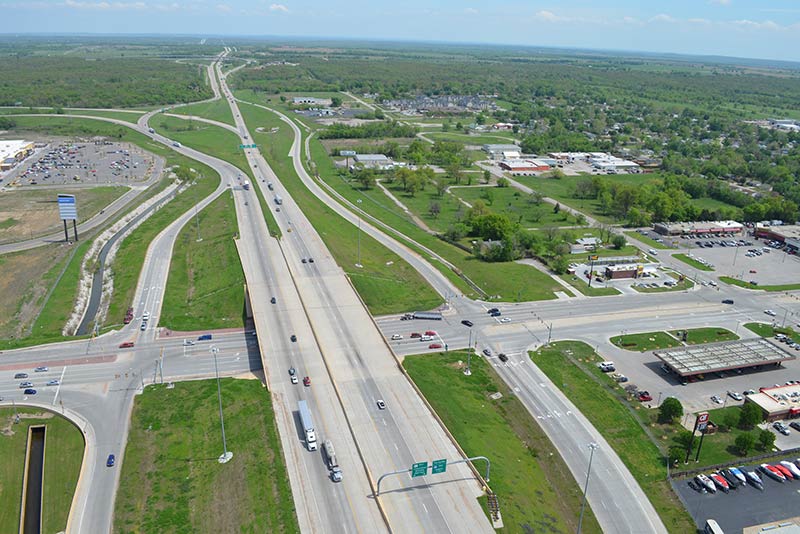
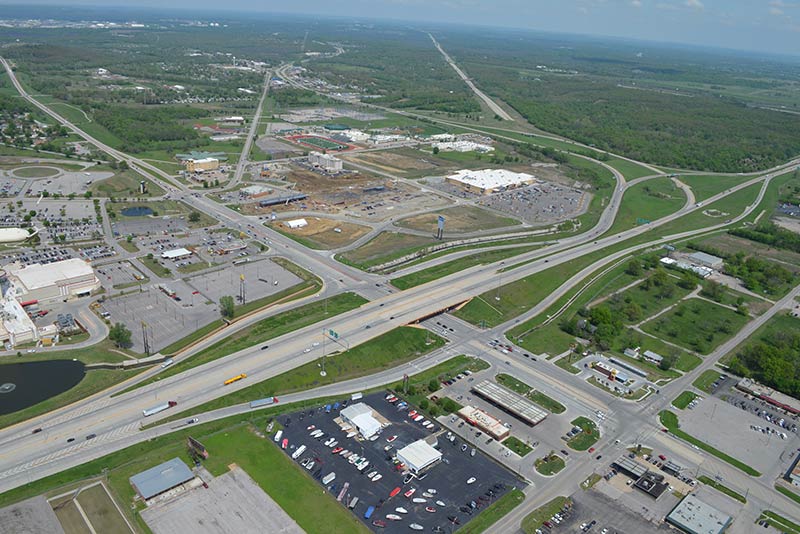
Engineering design for two new interchanges at 193rd East Avenue and State Highway 66 with U.S. Highway 412 / Interstate 44 comprised grading, drainage, bridge, surfacing, signal, lighting, signing and interchange construction plans. The project consisted of urban highway and interchange design to reconstruct and widen 1.5 miles of the divided urban interstate to six lanes and widen 0.6 mile of the adjacent primary arterial street to four lanes. Critical to success was close coordination with eight different stakeholders, including the Cherokee Nation because of the tribe’s nearby casino and golf course.
Our coordination organized the project’s complex dynamics.
Benham, a Haskell Company, designed the project as two sequential construction contracts with an accelerated design schedule. The scope included a new complex multi-level interchange design, interstate mainline exit ramps to frontage roads/local streets, at-grade intersections, cast-in-place retaining and sound walls, geometrics and construction of the Lewis Avenue bridge. A hydraulic study was performed for the alteration of three existing reinforced concrete box (RCB) bridges and the addition of one new reinforced box bridge. Hydraulic and structural design were also performed for three RCB culverts. A concrete-lined channel was designed to convey the 100-year storm effluent from the Cherokee Casino golf course’s detention pond within the limited existing right-of-way.
The results were improved traffic operations, safety and aesthetics.
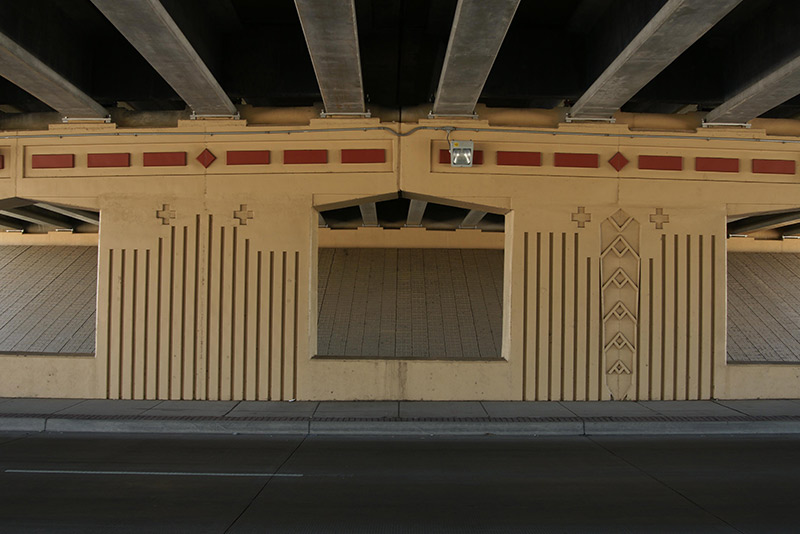
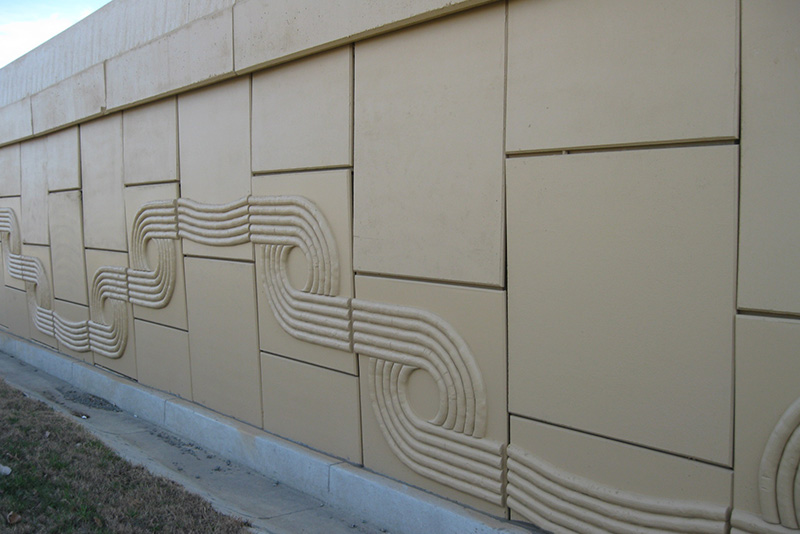
Traffic engineering services included traffic data collection, balancing and future projections, simulation modeling, crash analysis, signal design and optimization, synchronization timing plans, signal layout plans, Americans with Disabilities Act (ADA) compliant pathways, interchange lighting design and plans, signing plans, pavement marking plans, traffic control plans and Intelligent Transportation Systems (ITS) and CCTV cameras for traffic monitoring. Bi-weekly stakeholder meetings were conducted throughout with the Oklahoma Department of Transportation (ODOT), Federal Highway Administration (FHWA), Cherokee Nation, the cities of Tulsa and Catoosa, and Tulsa, Wagoner and Rogers counties. Aesthetic enhancements were developed in coordination with Oklahoma’s art in public spaces and the Cherokee Nation. Aesthetic enhancements for the corridor were developed in coordination with Oklahoma’s art in public spaces and the Cherokee Nation.
Related Topics
Talk to a Subject Matter Expert
Project Highlights
Designed as two sequential construction contracts with an accelerated design schedule
Drainage and surfacing
Grading
Bridge and roadway design
Hydraulics
Utility relocation
Aesthetic enhancements in coordination with Oklahoma’s Art in Public Spaces and the Cherokee Nation
Retaining walls
Lighting
Signalization
Reinforced concrete bridges (RCB)
Right-of-way documents

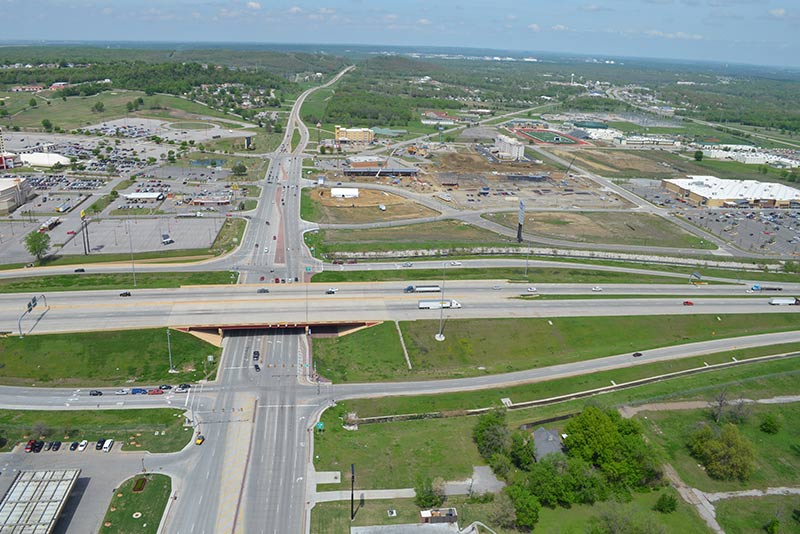

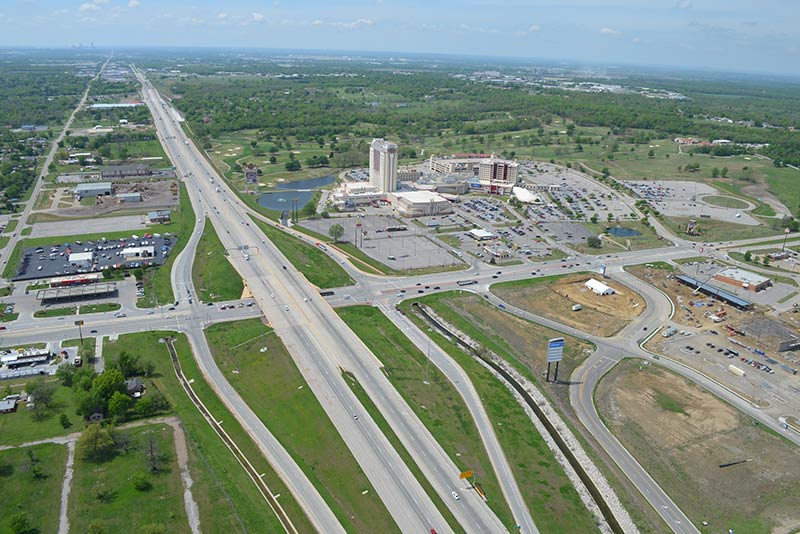
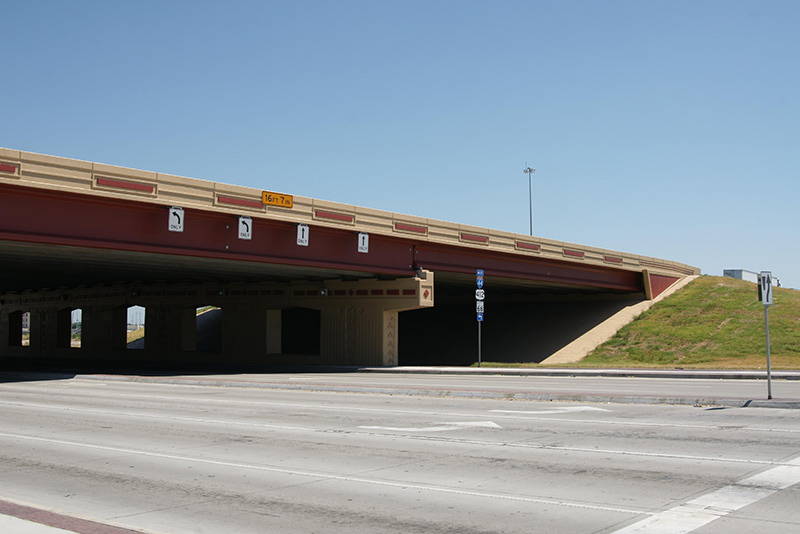


The Interstate 44 at Lewis Avenue interchange project was one of the most complicated and sensitive projects in state history. Haskell's design leadership and engineering excellence was the key to success of this important interchange.
Bruce Arnold, PE
ODOT Resident Engineer

Related Projects
Tulsa County, Oklahoma
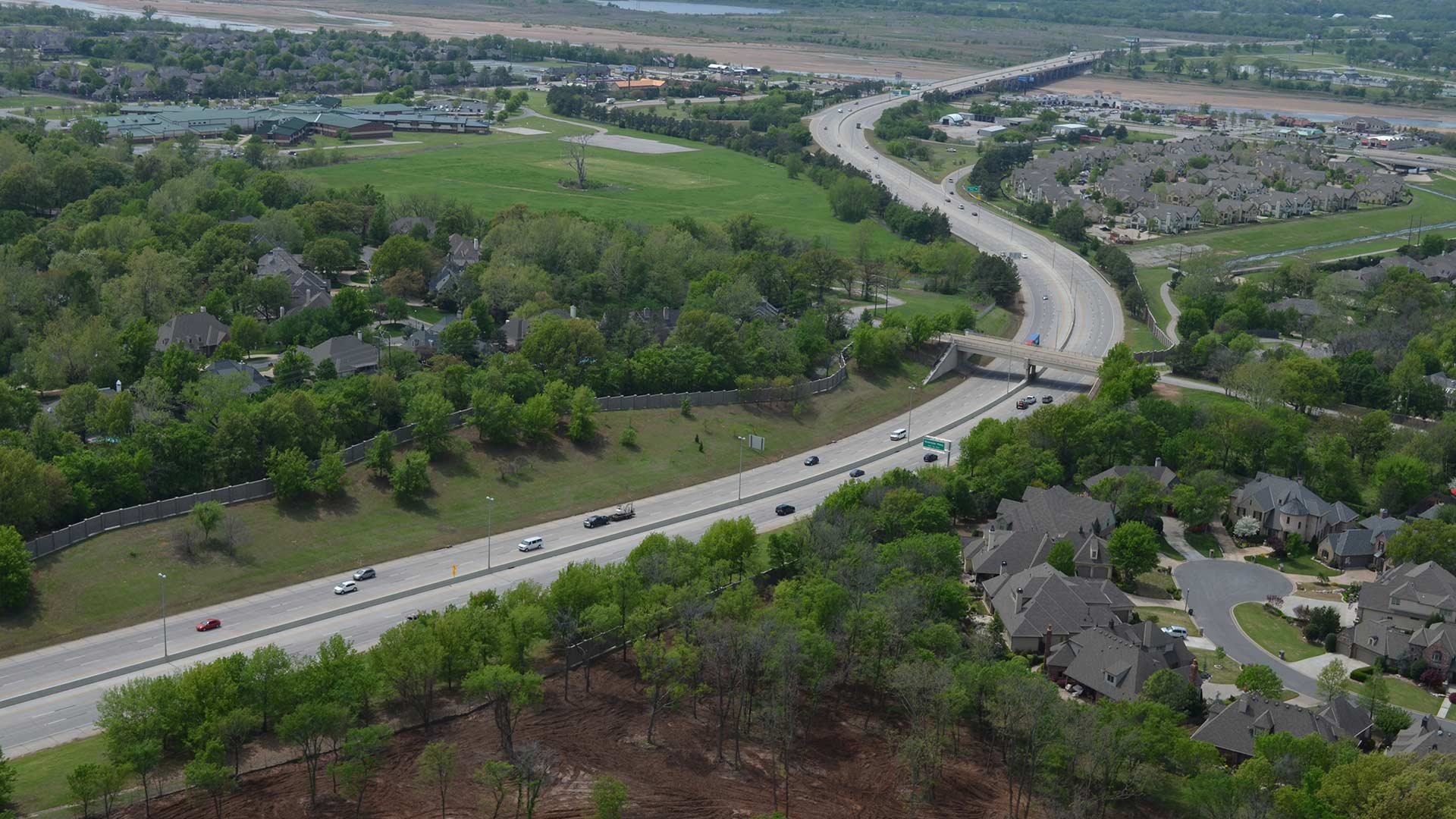
Creek Turnpike Study and Widening
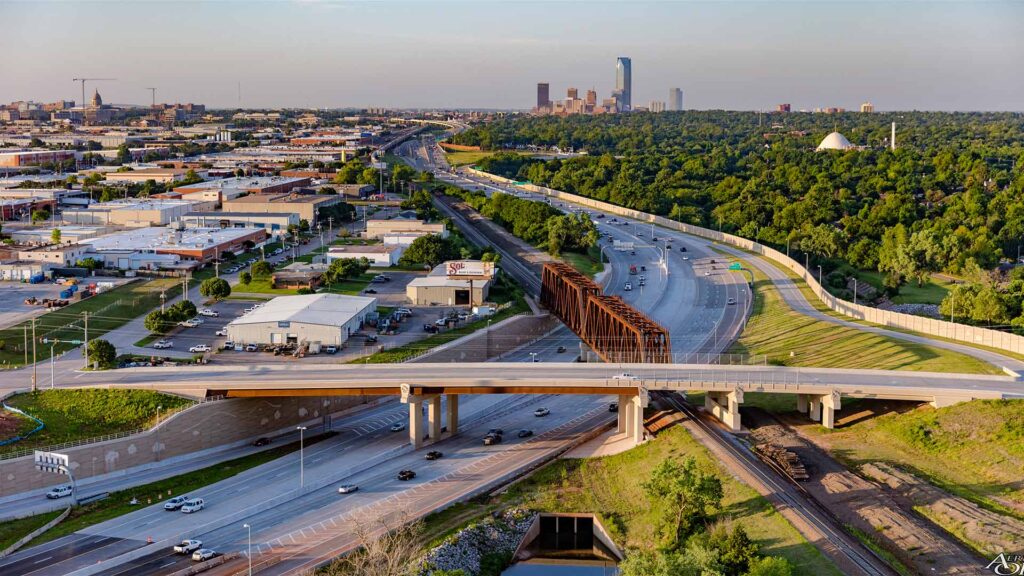
Oklahoma County, Oklahoma
I-235 Broadway Extension Corridor Widening and I-44 Interchange
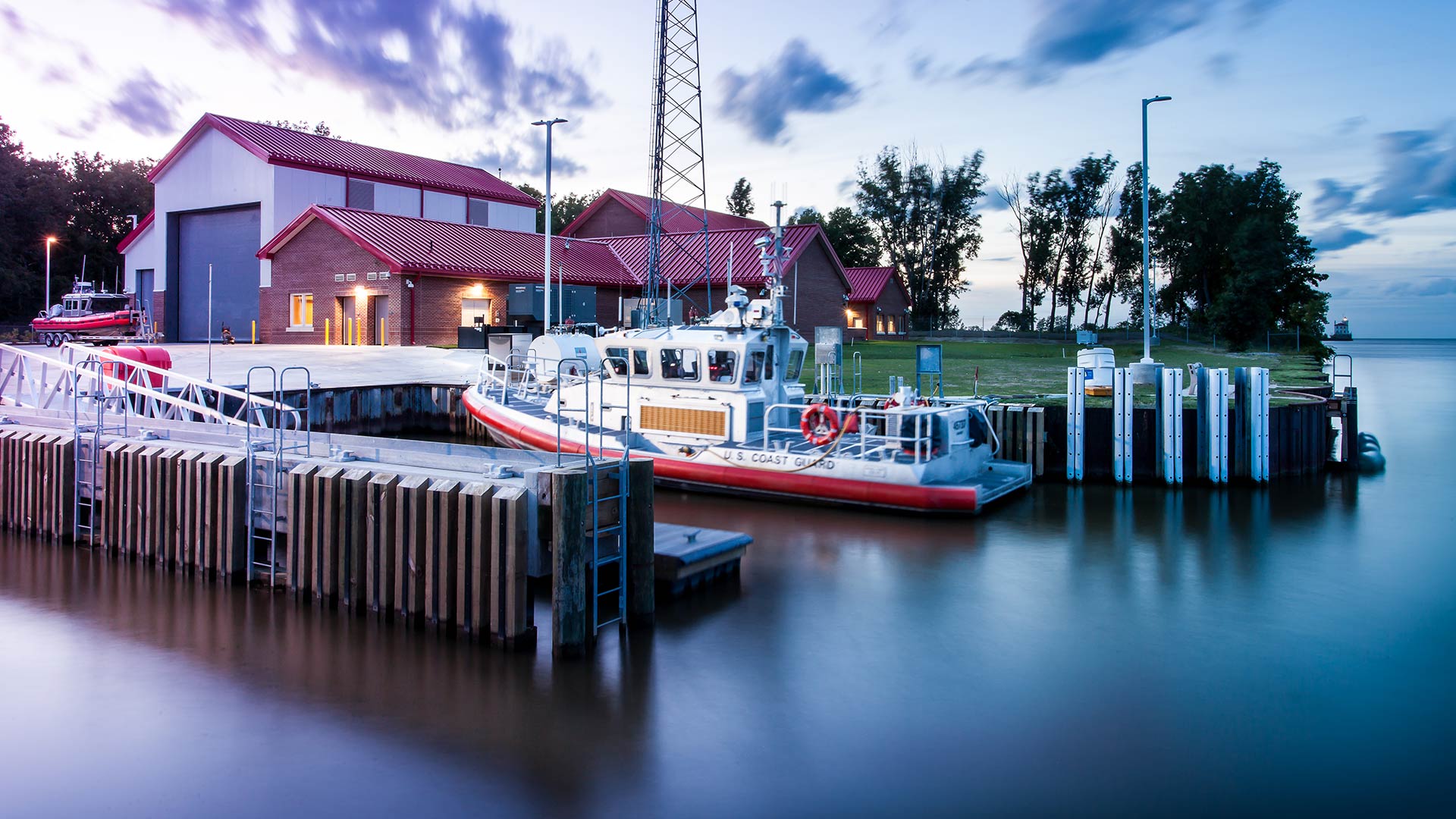
Grand River, Ohio
U.S. Coast Guard Station Fairport
Related News & Insights

How ECOncrete is Building a Sustainable Future for Coastal Infrastructure
Learn how a new round of funding is pushing marine construction technology worldwide. Discover sustainable solutions for building materials.
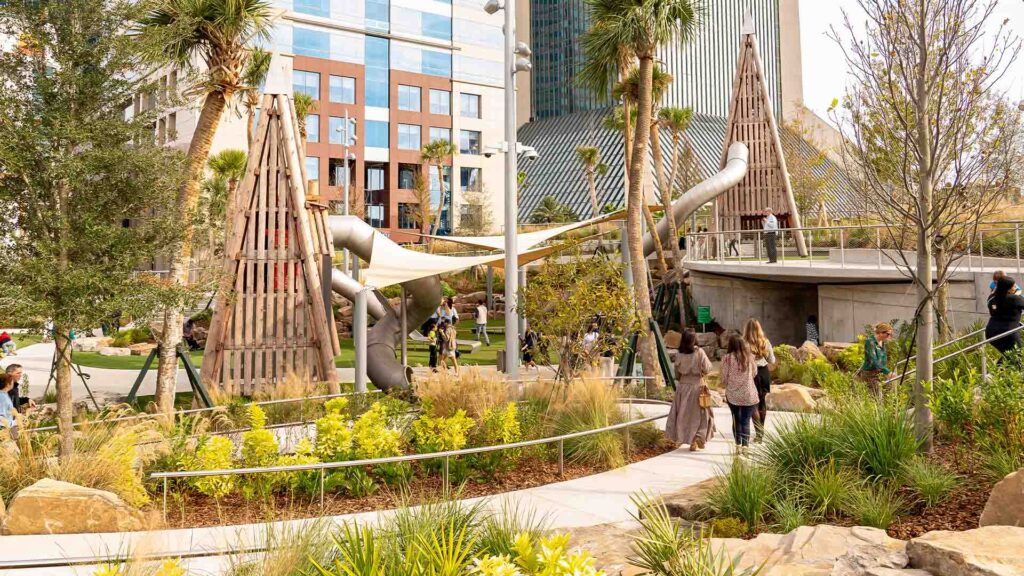
Riverfront Plaza Brings a Resilient New Era in Downtown Jacksonville
Discover the transformation of the historic Jacksonville Landing site into a world-class public park. Explore the history and future of this new destination.
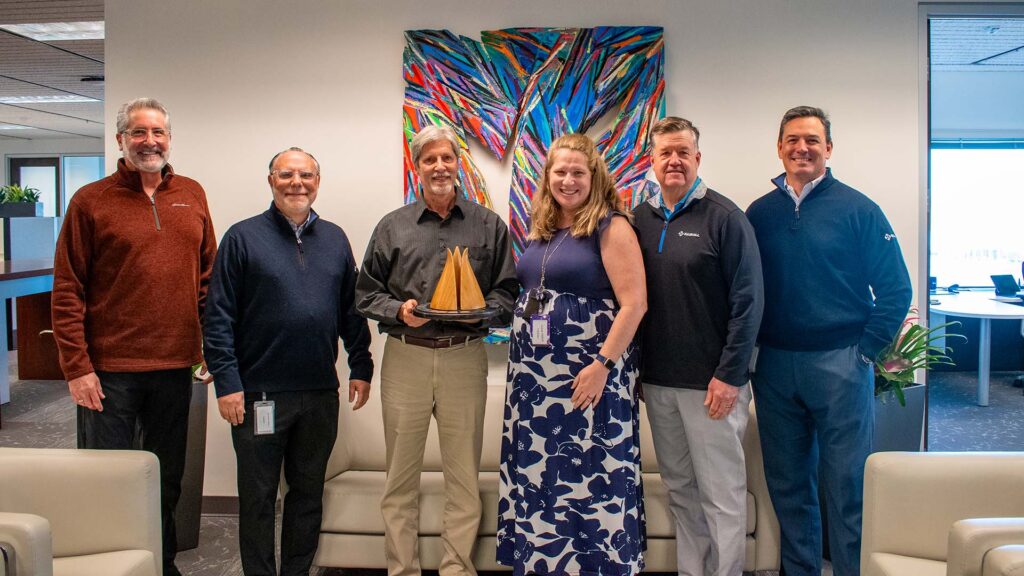
Bobbie Wood Earns 2025 Engdahl Award for Leadership in Design
Discover how Wood’s disciplined approach, cross-disciplinary view and commitment to integrated design elevate outcomes for Haskell’s clients.

Engineering.com Ranks Haskell High on National Top Workplaces List
Discover why this workplace ranked third among large engineering firms. Explore how a culture of collaboration and innovation drives exceptional results.