Haskell is deeply committed to a sustainable future for our clients and our communities.
With more than 100 sustainability-accredited professionals who have delivered more than 250 LEED- and other third-party-certified projects, we use cutting-edge technologies and innovative tools to help you develop and implement efficient, affordable, sustainable strategies that maximize operational efficiency, minimize environmental impact and meet your goals.
Our collaborative professionals assess and meet your unique goals.
We support clients in solving everyday issues that drive sustainability and improve operational performance. Our subject matter experts work collaboratively to understand your areas of concern, pain points and reasons for improvement. Once the project scope is established, we will conduct a thorough site assessment and create recommendations to achieve your goals.
Commitment
Lead by example through evaluation and improvement of our operations to improve our carbon footprint and reduce our environmental impact
Lead with service by assisting our clients in achieving their sustainability goals through innovative solutions across architecture, engineering and construction
Lead through support by actively participating in organizations that have an impact on creating a more sustainable world
Vision
Become sustainability leaders within the AEC Industry
Mission
Haskell is dedicated to creating a sustainable future for our clients, team members and communities
Purpose
Together, we can create a more sustainable world
Sustainability Pillars
Carbon
Decarbonize building and jobsites and enhance energy efficiency
Water
Optimize water use and reduce stormwater runoff impacts
Waste
Maximize landfill diversion, advance circular practices and strengthen material reuse
Employee Wellness
Ensure healthy, safe work environments for all employees
Commitment
Leverage advanced technologies and best practices to mitigate risks
Materials
Source sustainable materials to minimize environmental impact
Driving Sustainability Through Integrated Governance and Leadership
Corporate Sustainability develops and drives the long-term sustainability strategy by setting priorities, managing environmental performance and embedding practices across the operation. The team oversees reporting and compliance, mitigates climate and regulatory risk and engages stakeholders while collaborating across all departments to ensure sustainability is integrated into business decisions.
The Sustainability Steering Committee provides guidance, oversight and accountability for our sustainability strategy. Its purpose is to align sustainability priorities with business goals, ensure cross-functional alignment and remove barriers in order to meet our commitments.
Our Sustainability Council champions sustainability across Haskell and is organized into three subcommittees: Educate, Engage, and Evolve. Together, they support learning, awareness and innovation to integrate sustainable practices into our projects, operations and culture.
Engage: Builds awareness and drives action through communication, events, and best-practice sharing.
Evolve: Serves as the Council’s think tank, exploring new ideas and advancing innovation in sustainability.
Educate: Provides resources, tools and training on sustainable design and practices.

Sustainability Services
When it comes to Sustainability, Haskell was an early adopter of sustainable design and construction. The concepts are deeply integrated within our team of over 100 sustainability-accredited professionals who have delivered more than 250 LEED and other third-party-certified projects.
Utilizing our subject matter experts (SMEs), cutting-edge technologies and innovative tools, our teams are ready to support you in developing and implementing efficient, cost-cutting, sustainable strategies to maximize operational efficiency, minimize environmental impact and help you meet your goals.
We realize our role in supporting our clients extends beyond formal design-build projects.
We support our clients in solving everyday issues that drive sustainability and improve operational performance. To accomplish this, we want to understand your areas of concern so we can develop the right plans to make the necessary step-change in your operation. Our SMEs will collaborate with you to identify your pain points, areas for improvement, and, most importantly, your goals. Once we understand the scope of the project, we will conduct a thorough site assessment of your operation to identify recommendations aimed at achieving your goals
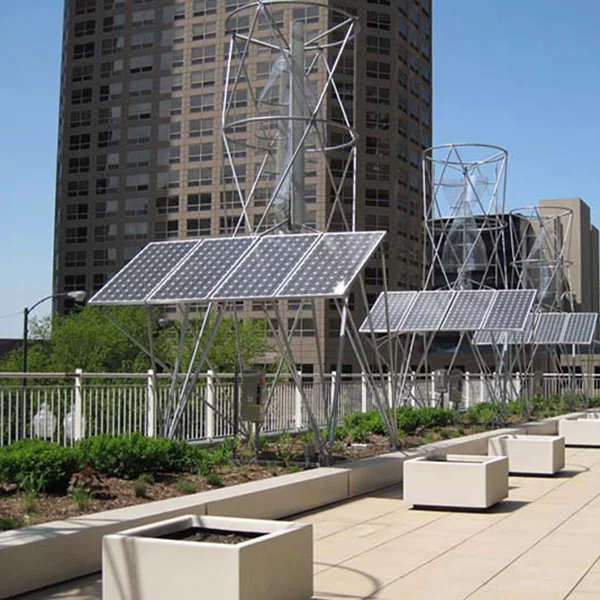

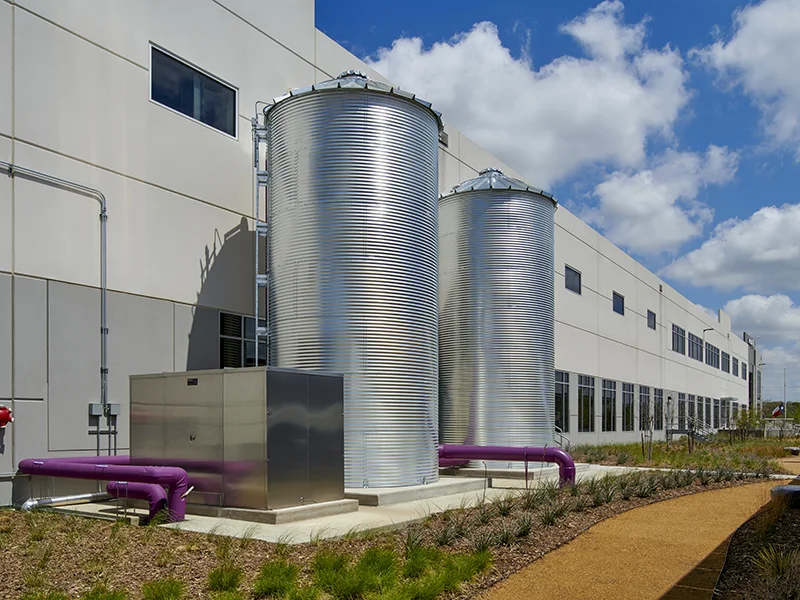
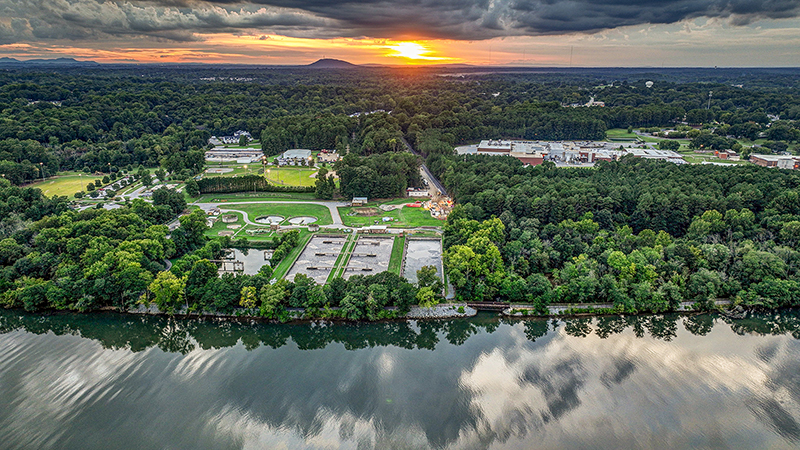
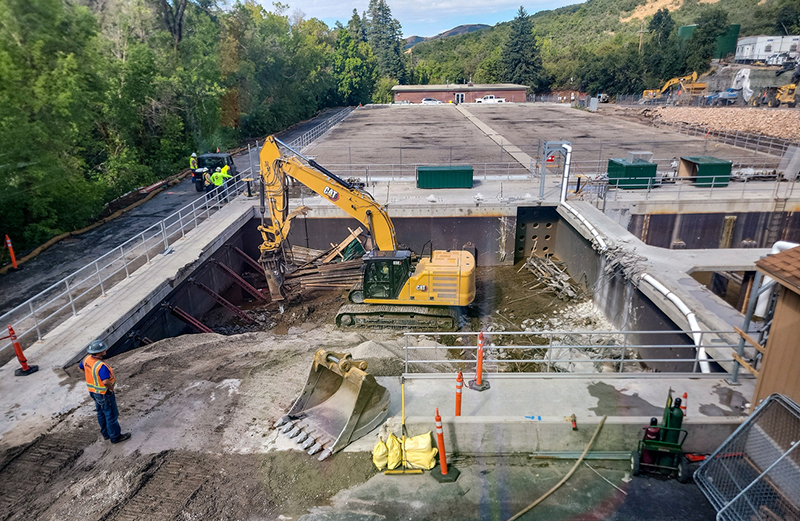
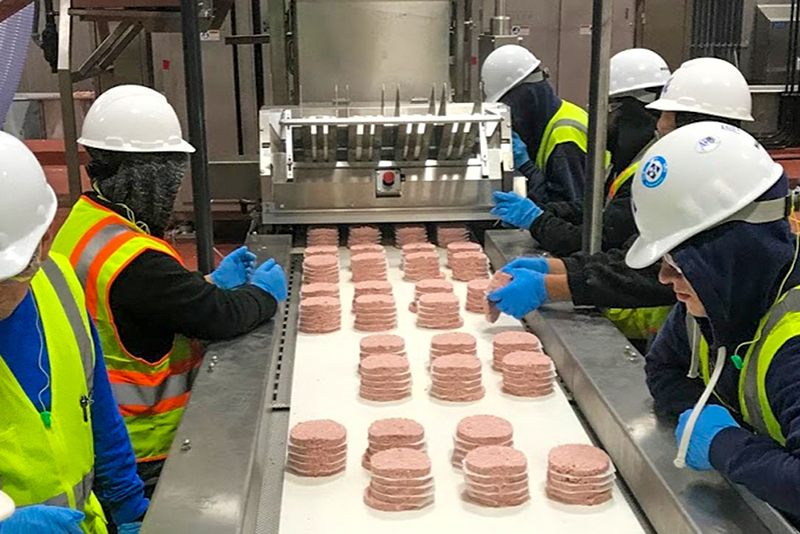
Sustainable Projects
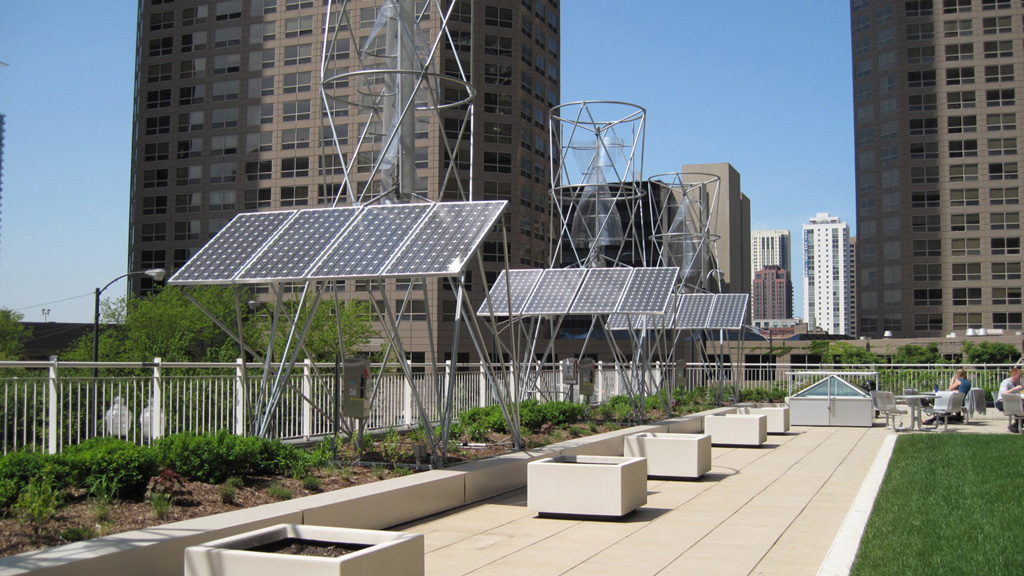
Chicago, Illinois
PepsiCo Chicago Sustainability Center
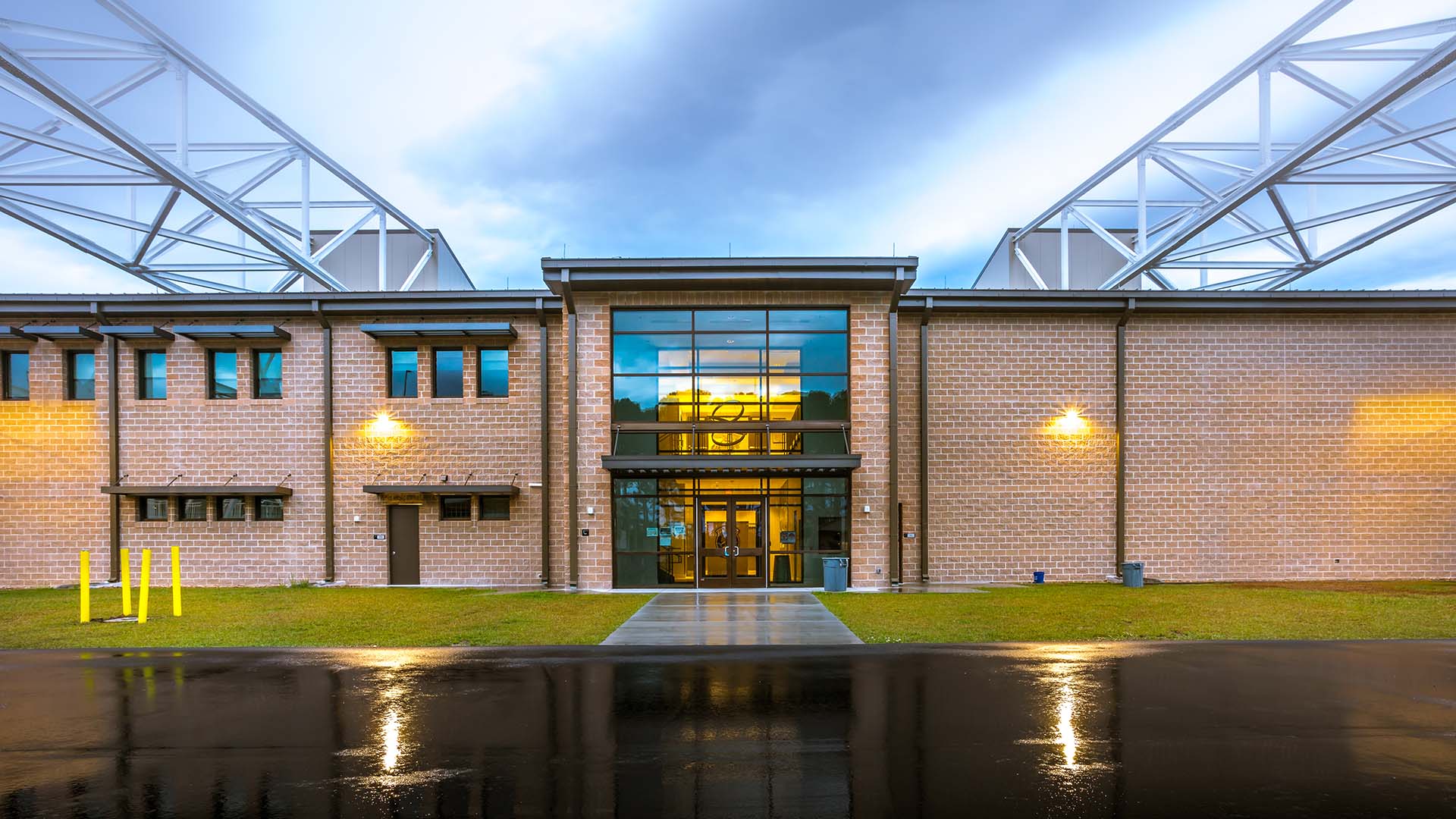
MCAS Beaufort, South Carolina
P-464 Aircraft Maintenance Hangar
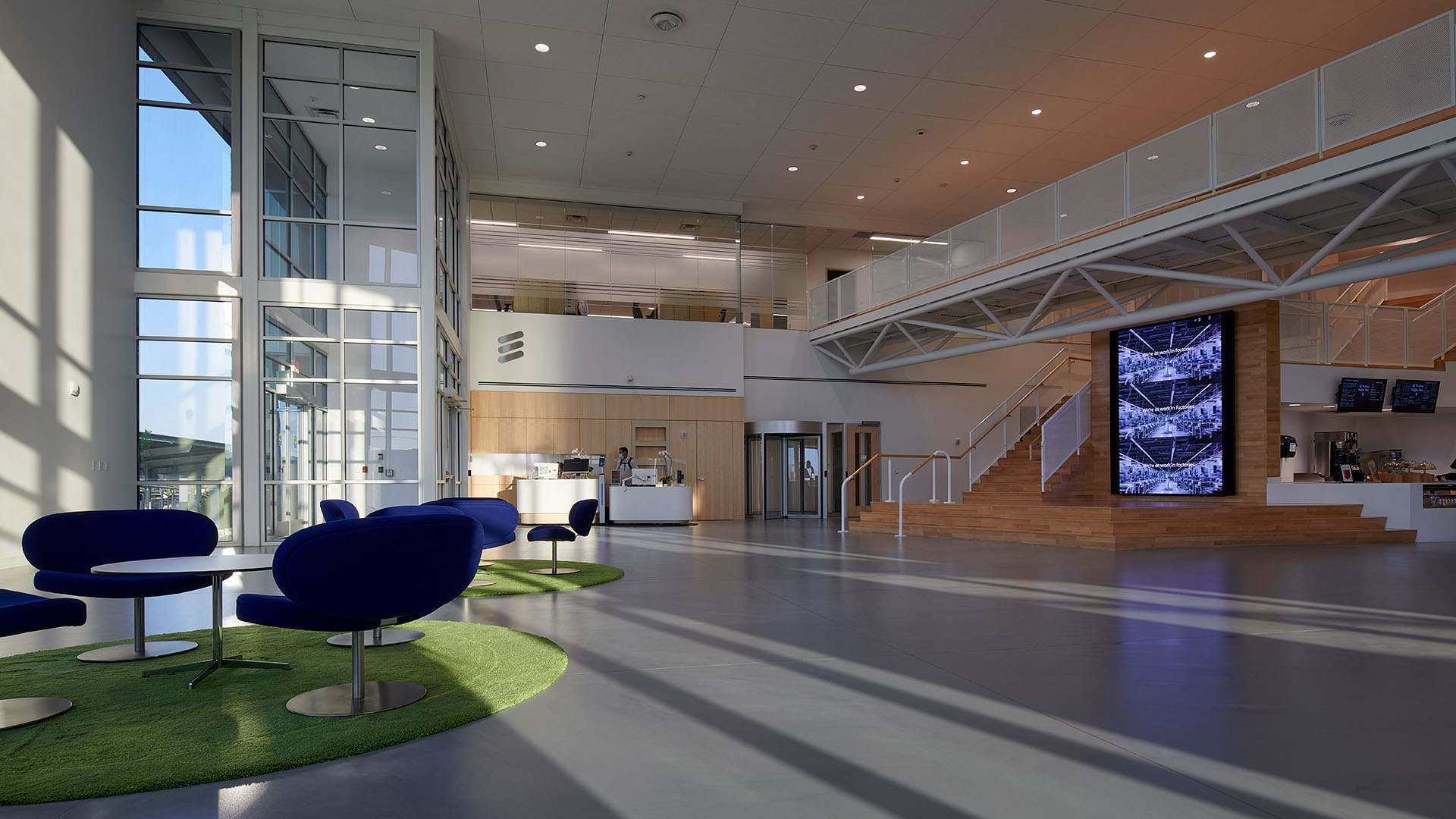
Lewisville, Texas
Ericsson 5G Smart Factory
Our Capabilities
Sustainability Assessments & Planning
A comprehensive sustainability assessment helps clients plan and estimate the cost of improvement opportunities that reduce operational energy, water usage and carbon emissions through the upgrade, replacement or renovation of a client’s process systems with new sustainable technologies (e.g., renewable energy).
Green Building/Infrastructure/LEED
Haskell has designed and/or constructed over 125 projects that received green build certifications from organizations like LEED, Energy Star and Green Building Initiative’s Guiding Principles Compliance.
Hybrid solutions to climate change hazards incorporate our six pillars of waste management, water management, materials, commitment, carbon and jobsite wellness to engineer long-term, nature-based innovative solutions.
Greenhouse Gas Emissions Reductions
The highest producer of greenhouse gas emissions is the built environment, which describes all human-made structures and accounts for 40% of emissions globally. Through modern technologies like Building Information Modeling and systematic methodologies such as Lifecycle Assessments (LCA), we can design buildings with low-carbon materials that reduce or mitigate future emissions.
Electrification/Renewable Energy/Energy Efficiency
With the significant impact that fossil fuels have on global warming and climate change, it is important to incorporate alternatives when transforming the built environment. Through electrification efforts, such as smart grid technologies, electric vehicles and renewable energy efforts like small-scale wind or photovoltaic systems (solar panels), we can create better-functioning buildings that promote a more sustainable future.
Improving a building’s energy efficiency means using less energy to get the same or better operating results. A building’s energy efficiency can be improved through an integrative design process that carefully considers siting and orientation, along with best practices in system design and installation, to lower energy costs.
Water Conservation, Renewal, Reclamation & Management
To improve a building’s water efficiency, it is important to consider water conservation, reuse, reclamation and management throughout the design and build process. A comprehensive water plan incorporates full system analysis, water audits, leak detection, and optimal facility sizing to support seasonal and long-term water resilience.
Wastewater Management
Wastewater management describes the process of properly planning the collection, containment and disposal methods of wastewater on a jobsite by mapping out the path of wastewater and establishing measures to prevent disturbances. Effective wastewater management reduces the risk of worker injury, environmental disturbance, and project delay.
Source Reduction/Waste Management
Source reduction and waste management are both methods of minimizing the environmental impact of waste. Source reduction is the practice of reducing waste before it is created by carefully selecting material amounts and types. Waste management is the process of collecting, transporting, treating and disposing of construction waste with a focus on maximizing reuse.
Clean-in Place Optimization
Clean-in place optimization refers to the process of improving automated cleaning systems in industries like food processing, pharmaceuticals and beverage production with the goal of increasing efficiency and effectiveness while lowering the operational costs.
Commissioning/Retro-commissioning
Within sustainability, commissioning refers to ensuring that buildings are operating at peak efficiency from day one. Commissioning confirms that all sustainable design features are working as intended and help to reduce energy use, lower energy cost and improve occupant comfort. Retro-commissioning within sustainability refers to optimizing inefficiencies in existing operations such as incorrect control settings, faulty sensors, air leaks, or wasted water and energy without high-cost upgrades to cut energy consumption, reduce carbon emissions and extend the buildings’ life.
127
Sustainably Certified Projects and 150+ Designed/
Constructed Sustainably
16.3+
Million Square Feet of LEED-certified Project Area valued at more than $2.4 Billion
29
States with Design-Build LEED-certified Projects
4
Countries with Design-Build LEED-certified Projects
4
Levels of LEED Certification: Certified, Silver, Gold and Platinum

Sustainability brings a level of complexity to projects… you’re trying to do it with the least amount of impact on the environment as you build it and as it operates over its lifetime.
Frank Mangin
Operations President, Design & Consulting

Sustainability Accreditation
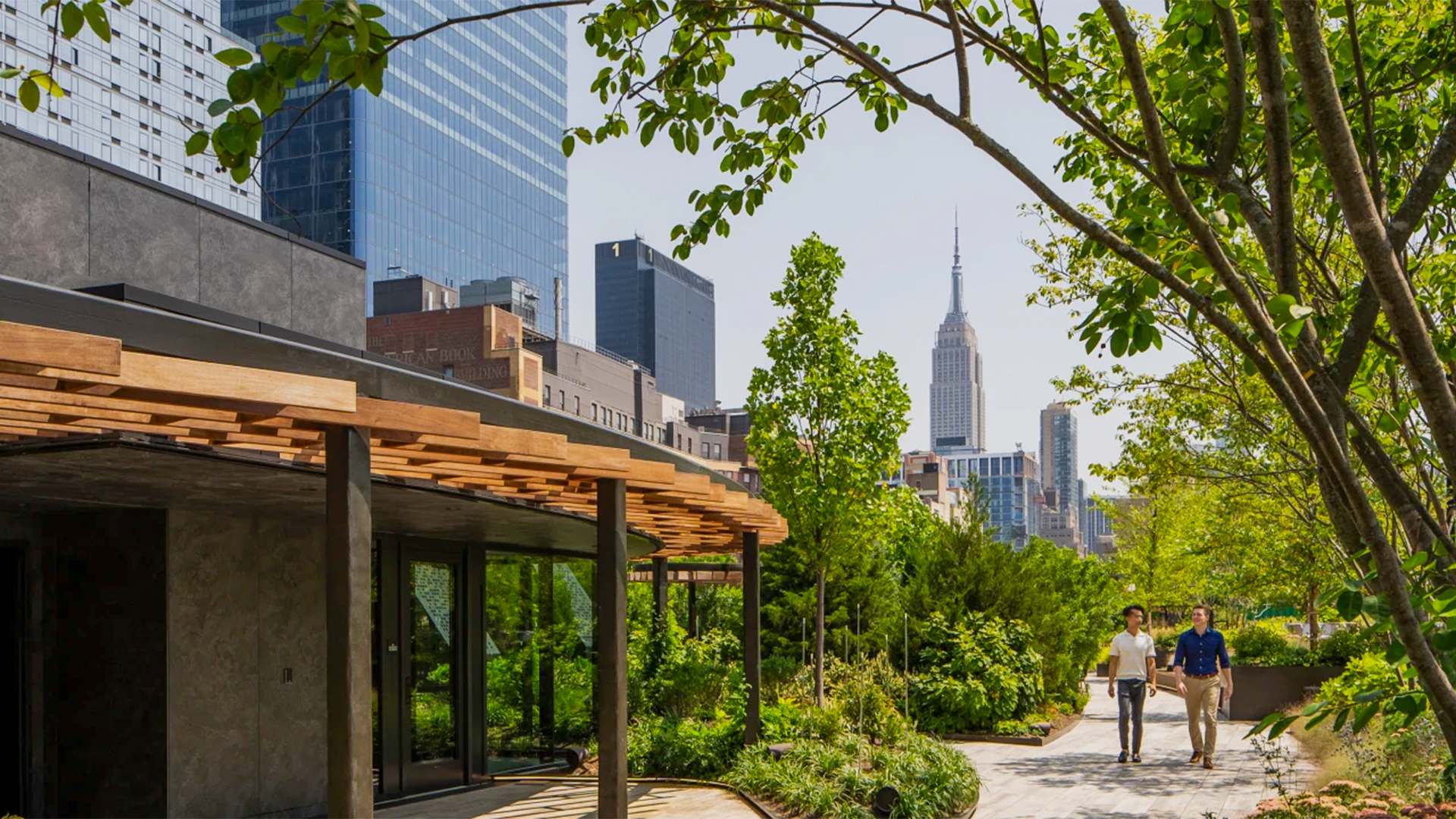
Haskell’s team of more than 100 Accredited Professionals, along with our sustainability-experienced design and construction personnel, have a wealth of expertise to ensure that your sustainability goals are met and exceeded. Utilizing cutting-edge technologies, tools and knowledge, our teams develop and implement efficient, cost-effective, sustainable strategies to minimize a project’s environmental impact and meet your goals within budget.
Haskell believes it is essential for the company to show its commitment to sustainability beyond its staff. Haskell is an active member of the United States Green Building Council (USGBC), the Green Building Initiative (GBI) and an Envision Qualified Company. Additionally, Haskell promotes sustainability in the community through annual Green Apple Day of Service projects, river cleanups and similar sustainability-related volunteer initiatives.
Related News & Insights
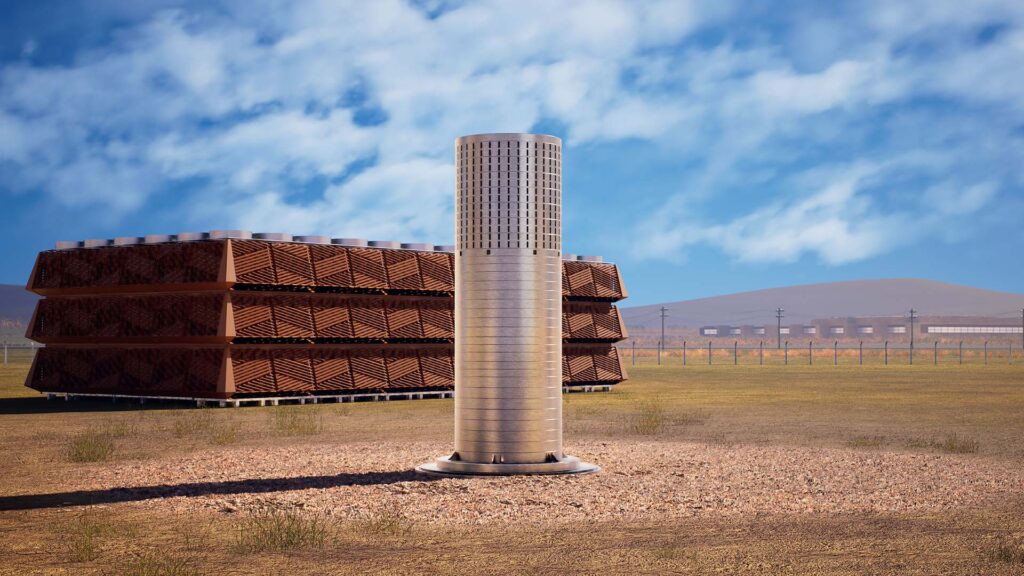
With Contribution from Haskell, Last Energy Completes its Series C
Learn what is next for this young company that is on the forefront of new nuclear deployment and pushing toward a clean-energy future.
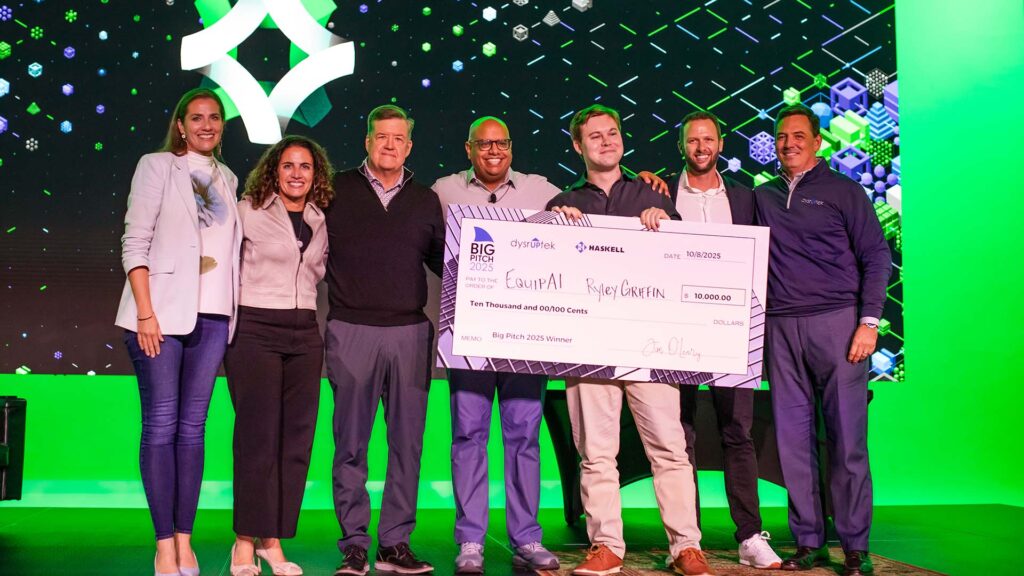
Big Pitch 2025: Highlighting AI and Sustainability in Construction
Explore how collaboration and creativity drive innovation at Haskell. Learn how AI is enhancing sustainability tracking to improve project performance.
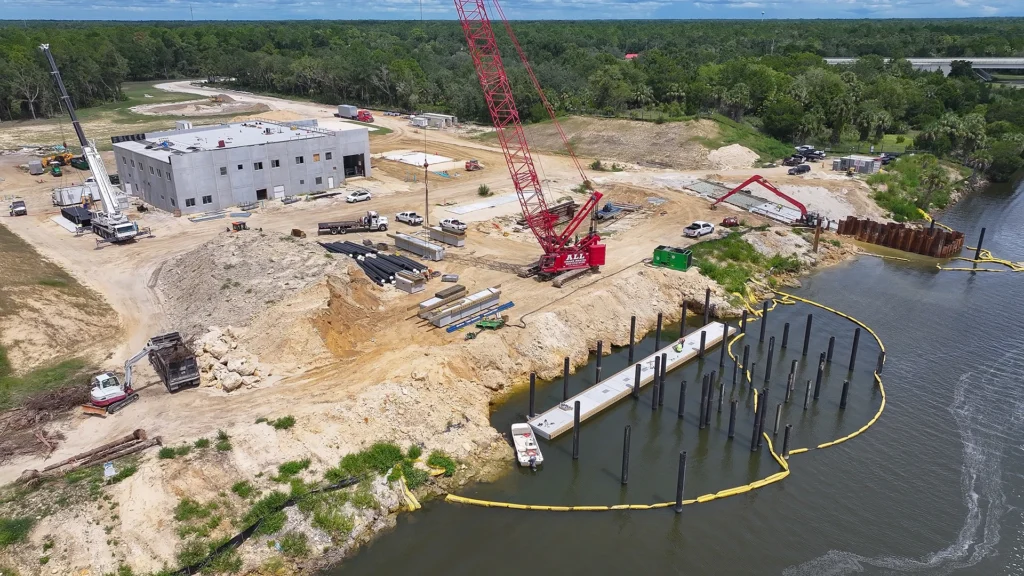
Coast Guard Project Informs Long-Term Sustainability Goals
Learn how Haskell reduces jobsite environmental impact. Discover how teams can leverage existing data to produce key sustainability metrics.
60 Years of Bold Architectural Integration and Innovation
Explore how Haskell’s architects deliver integrated solutions across industries. Learn how purposeful design can elevate your next built environment.